
Are you ready to unleash your inner fighter? Hanging a punching bag can transform your space into a personal training haven.
Whether you’re looking to boost your fitness, relieve stress, or enhance your boxing skills, a well-hung punching bag is your ticket to a more active lifestyle. But before you throw that first punch, you need to ensure your bag is securely and correctly installed.
This guide will walk you through the process, step by step, so you can focus on what really matters: your workout. Stick around to learn the secrets to a safe and effective setup that will keep you coming back for more. Curious about the right height and the best location? We’ve got you covered. Let’s dive in and get that bag swinging!
Choosing The Right Location
Choosing the right location to hang your punching bag is crucial for both safety and functionality. A well-chosen spot not only ensures stability but also enhances your workout experience. Let’s dive into some key considerations to help you make the best choice.
Indoor Vs Outdoor
Deciding between an indoor and outdoor location involves weighing the pros and cons of each. Indoors, you benefit from protection against weather elements, ensuring your bag lasts longer and is always ready for use. However, you need enough space to allow for free movement and to prevent any accidental damage to walls or furniture.
Outdoors, the fresh air and open space can make your workouts more invigorating. Yet, exposure to rain and sun may wear out your bag faster unless you have a sheltered area. Think about how often you’ll use it and the weather in your area to make an informed decision.
Ceiling Vs Stand
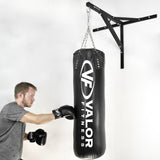
Mounting your punching bag from the ceiling is a popular choice for its stability and ability to allow 360-degree movement. But, you need to ensure that your ceiling can support the weight, which might require additional reinforcement. This option is great if you want to practice footwork and move around the bag freely.
On the other hand, a stand offers flexibility and is perfect for those who rent or can’t modify their home structure. Stands can be moved around, allowing you to change your workout location. However, they might take up more floor space and may not be as stable during intense sessions.
Have you considered the convenience of each option in your daily routine? Your choice might just be the key to a more consistent and enjoyable boxing practice!
Credit: valorfitness.com
Selecting The Proper Equipment
Selecting the Proper Equipment Choose a sturdy ceiling beam or wall mount for hanging a punching bag. Ensure the support can hold the bag’s weight. Opt for durable chains and carabiners for safe installation.
Selecting the proper equipment is crucial for hanging a punching bag. The right gear ensures safety and enhances your training experience. Let’s explore the essential components to consider.Types Of Punching Bags
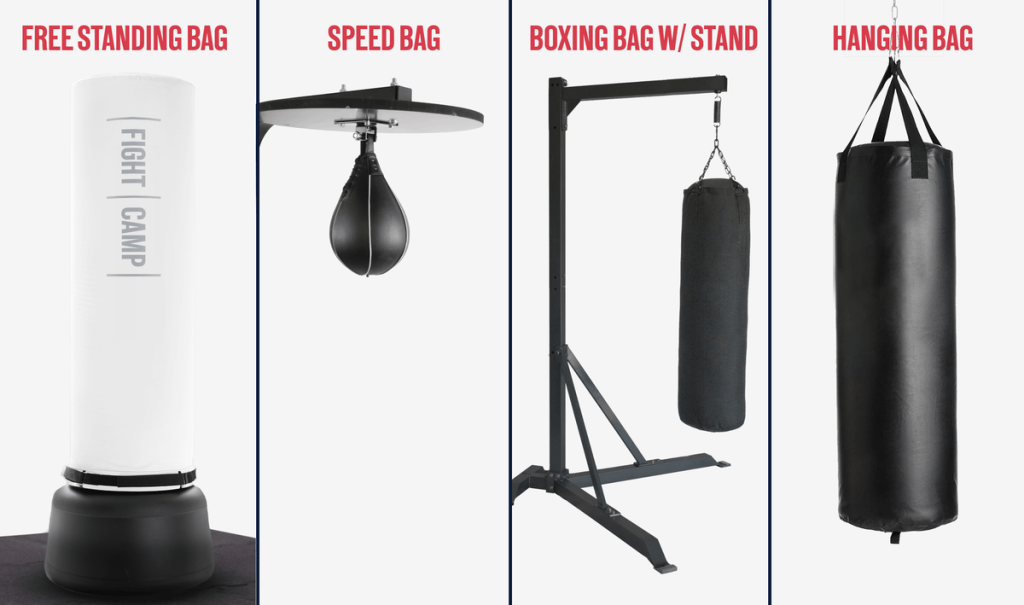
Punching bags come in various shapes and sizes. Heavy bags are the most common and ideal for powerful strikes. Speed bags are smaller and enhance hand-eye coordination. There are also free-standing bags, which are portable and require no ceiling mounts. Choose a bag based on your training goals and available space.Mounting Hardware Essentials
Proper mounting hardware is vital for a secure setup. Ceiling mounts are common for heavy bags. These mounts should be attached to a strong beam. Wall mounts are another option, providing stability and saving floor space. Consider using a heavy-duty bracket for added support. Always ensure the hardware can handle the weight of your bag.Preparing The Space
Ensure the room has enough space for movement and safety. Check the ceiling’s strength to support the bag’s weight. Use sturdy hooks or beams for secure attachment.
Preparing the space for hanging a punching bag is a crucial step to ensure both safety and functionality. You want to create an environment that not only supports the bag but also allows you to train effectively. Before you start drilling holes, it’s essential to consider the space requirements and implement necessary safety precautions.Space Requirements
The first thing you need is enough space. Make sure you have at least a 360-degree clearance around the punching bag. This allows you to move freely, practicing various punches and kicks without obstructions. Think about the ceiling height too. If you’re tall, a low ceiling could limit your workout. Ideally, the bag should hang at a height where the top is at eye level, giving you a realistic target area.Safety Precautions
Safety can’t be overstated when hanging a punching bag. Ensure that the ceiling or wall can support the weight of the bag. A poorly secured bag can cause injury or damage property. Use a stud finder to locate beams or joists in the ceiling. These are the strongest points to hang your bag. If you’re unsure, consulting a professional can save you a lot of trouble. Finally, think about the floor. A rubber mat can help absorb the shock and reduce noise. This is especially useful if you live in an apartment or have neighbors close by. Are you ready to prepare your space and start training effectively?Installation Techniques
Secure the right spot for your punching bag. Use a ceiling beam or a heavy-duty wall bracket for support. Ensure the bag hangs at the right height for effective training.
Installing a punching bag can transform your workout space into a personal gym, providing both physical and mental benefits. The process, however, requires careful planning and execution to ensure safety and functionality. Whether you choose to mount it on the ceiling, use a wall bracket, or opt for a freestanding model, each method has its own unique steps and considerations. Let’s dive into the details.Ceiling Mounting Steps
Ceiling mounting is a popular method, offering full range of motion during workouts. Begin by identifying a sturdy beam or joist in your ceiling. Use a stud finder to ensure the area can support the weight. Drill holes into the beam, then use heavy-duty bolts to secure a ceiling hook or mount. Double-check that it’s tightly fastened. Attach the bag using a chain, ensuring the height suits your training needs. Adjust as necessary for comfort and efficiency.Using A Wall Bracket
Wall brackets are great for saving space, especially in smaller rooms. Start by selecting a strong wall that can support the punching bag’s weight and movement. Securely mount the bracket with appropriate screws and anchors, aligning it with the wall studs. This will prevent any structural damage. Hang the punching bag from the bracket, ensuring it’s at the right height for your workout style. Regularly check the bracket’s stability.Freestanding Options
Freestanding punching bags offer flexibility and convenience. They can be moved easily and don’t require permanent installation. Choose a model with a weighted base for stability. Fill it with sand or water to ensure it remains steady during use. Position the bag in an open space, allowing for full movement and accessibility. Test its stability before starting your workout. These installation techniques cater to different needs and spaces, helping you create an effective workout environment. Which method will you choose for your home gym setup?Adjusting For Optimal Height
Adjusting the punching bag to the right height ensures effective training sessions. Hang it so the top aligns with your head level. Proper height allows you to practice punches with precision and improve your technique.
Adjusting your punching bag to the optimal height is crucial for maximizing your training efficiency and avoiding injuries. Whether you’re practicing jabs, hooks, or uppercuts, the height of your bag can make a significant difference in how you train. It can be the difference between executing a perfect punch or developing poor form. But how do you determine the perfect height for your punching bag? Let’s break it down.Ideal Height Measurements
Typically, the top of the punching bag should be around your head height. This setup allows you to practice a variety of punches comfortably. For a more precise setup, aim to have the punching bag’s midpoint at your chest level. This position accommodates most punches, allowing for a full range of motion. If you’re unsure, a good rule of thumb is to have the bag’s bottom around your waist level. This ensures that you can throw both high and low punches effectively.Adjusting For Different Users
If multiple people are using the same punching bag, you may need to adjust the height frequently. A quick fix is to use adjustable chains or straps to make alterations easy. Consider the height of the tallest user and adjust the bag so that shorter users can still train effectively. You can place a sturdy platform under the bag for shorter users if needed. For children or beginners, lower the bag to allow for easier access. This adjustment ensures that they can engage with the bag without straining. Have you found the perfect height for your punching bag? Adjusting it might seem like a small detail, but it can drastically change your workout experience. Why settle for less when you can optimize your training?Maintenance Tips
Maintaining your punching bag is crucial to ensuring it lasts for years and provides a safe and effective workout. Neglecting maintenance can lead to wear and tear, reducing the bag’s performance and potentially causing injury. Let’s dive into some essential maintenance tips that will keep your punching bag in top condition.
Regular Inspections
Performing regular inspections of your punching bag can prevent small issues from becoming major problems. Check the bag for any tears or holes that might develop over time. Pay attention to the straps and chains—they should be intact and secure.
Don’t forget to inspect the mounting hardware. Ensure bolts and screws are tight and not rusted. If you notice any damage, address it immediately to avoid accidents during your workout.
Cleaning And Care
Keeping your punching bag clean is essential for both hygiene and longevity. After each workout, wipe down the bag with a clean cloth to remove sweat and grime. A mild soap solution can be used for deeper cleaning.
Consider using a cover when the bag is not in use. This protects it from dust and moisture, especially if your gym area is prone to humidity. Regular cleaning not only prolongs the life of the bag but also keeps your workout space smelling fresh.
Are you taking care of your punching bag like you should? Regular inspections and cleaning could be the difference between a safe workout and a trip to the store for a new bag. Taking a few minutes for maintenance can save you time and money in the long run.
Common Mistakes To Avoid
Choosing the wrong spot can lead to weak support and damage. Ensure the ceiling beam can handle the weight. Incorrect hardware may cause the bag to fall; use proper bolts and anchors for safety.
Hanging a punching bag seems simple, yet many make mistakes. These errors can lead to damaged equipment or injury. Knowing common pitfalls ensures safety and durability. Here’s what you should avoid.Improper Mounting
Mounting mistakes risk equipment stability. Many use weak support structures. Avoid mounting bags on drywall or weak beams. Use sturdy frames or ceiling joists. Check the strength of the mounting area before installation. Always secure with proper hardware. Double-check tightness to prevent accidents.Ignoring Weight Limits
Weight limits are crucial for safety. Bags vary in weight, needing specific support. Ignoring these limits can strain mounts. Ensure your mounting hardware can handle the bag’s weight. Check manufacturer’s guidelines for weight specifications. Overloading leads to damage or injury. Respect weight limits for safe training.
Credit: www.tiktok.com

Credit: www.amazon.com
Frequently Asked Questions
What Is The Best Way To Hang A Punching Bag?
Use a heavy-duty ceiling mount or a wall bracket for hanging a punching bag. Ensure the mount is securely attached to a strong ceiling beam or wall stud. This setup provides stability and safety during use. Always check weight limits and follow manufacturer instructions for optimal results.
How To Hang A Punching Bag At Home Without Drilling?
Use a sturdy ceiling beam or pull-up bar to hang the punching bag. Secure it with strong straps or chains. Consider using a freestanding punching bag stand for easy setup without drilling. Ensure the area is spacious for safe practice.
Regularly check the setup for stability and safety.
Can You Hang A Punching Bag In Drywall?
Hanging a punching bag directly on drywall is unsafe. Use a ceiling joist or wall studs for support. Install a mounting bracket or a heavy-duty anchor for stability. Proper installation prevents damage and ensures safety during use. Always ensure the weight capacity of the supporting structure before installation.
Where Can I Hang A Punching Bag In My House?
Hang a punching bag in a garage, basement, or designated workout room. Ensure the ceiling or wall is sturdy. Use a strong mount or beam for support. Keep enough space around the bag for safe movement. Avoid areas with fragile items or low ceilings.
Conclusion
Hanging a punching bag is simple with the right tools. Choose a sturdy spot. Use strong support beams or a reliable stand. Safety is key. Double-check all attachments before use. This ensures a secure workout experience. Always wear proper gear.
Protect your hands and wrists. A well-hung bag improves your training routine. It helps build strength and stamina. Regular practice boosts confidence and skills. Enjoy your new setup. Keep it safe, and have fun!