

Ever found yourself staring at your mountain bike and wondering if it could double as a road bike? You’re not alone.
It’s a question that sparks curiosity and opens up a world of possibilities. Imagine the freedom and versatility of having one bike that can tackle rugged trails and smooth city streets alike. It’s tempting, isn’t it? We’re diving into the nitty-gritty of whether your trusty mountain bike can serve as your road companion.
You’ll discover the pros and cons, the tweaks that can make your ride smoother, and how this switch can impact your cycling experience. Stay with us, and you might just find the answer to whether one bike can truly do it all. Your cycling adventures could be about to get a whole lot more interesting.

Credit: www.bikeradar.com
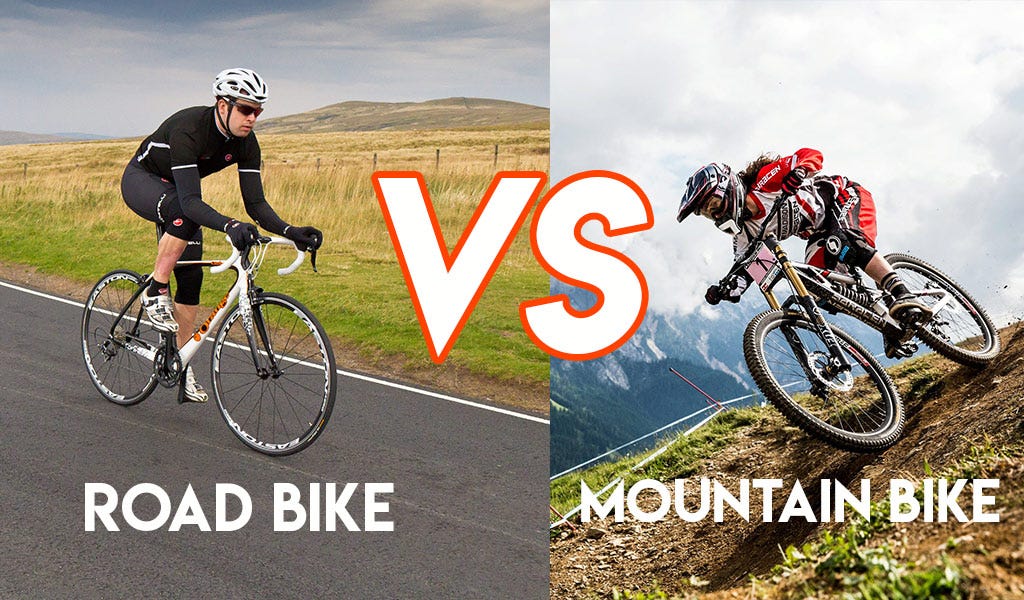
Mountain Bike Vs Road Bike
Choosing between a mountain bike and a road bike can seem daunting, but understanding their key differences might help you make a smart decision. While both types of bikes serve unique purposes, you might wonder if you can interchange them. Can your sturdy mountain bike replace a sleek road bike for a smooth city ride? Let’s dive into the specifics to find out.
Design Differences
Mountain bikes are designed to withstand rough terrains. They have wider tires with deep treads that grip uneven surfaces. Their frames are generally heavier and more durable, built to absorb shocks from rocky paths.
Road bikes, on the other hand, are crafted for speed and efficiency on paved roads. They feature lighter frames and thinner tires, allowing for a smoother and faster ride. Their aerodynamic design helps minimize wind resistance.
Have you ever tried riding a mountain bike on a paved road? You might notice it feels slower and requires more effort. The distinct design of each bike plays a major role in its performance.
Functional Variations
Mountain bikes offer excellent control and stability on rugged trails. Their suspension systems cushion the impact from bumps and dips, making them ideal for off-road adventures.
Road bikes excel in speed and agility. They are perfect for long-distance rides on flat surfaces, thanks to their lightweight and efficient gear systems. You can easily cover more ground with less exertion.
But what if you need to use your mountain bike for a city commute? While it’s possible, the heavier frame and chunky tires might slow you down. Consider this before swapping your ride.
Ultimately, the decision comes down to your needs. Are you seeking adventure in the mountains, or a fast-paced city ride? Remember, a bike’s design and function should align with your riding goals.
Adapting A Mountain Bike For Road Use
Transforming a mountain bike for road use involves slight modifications. Swap knobby tires for smoother ones and adjust the suspension for a firmer ride. This enhances efficiency and comfort on paved surfaces.
Adapting a mountain bike for road use transforms its rugged nature into a sleek, efficient ride. This conversion makes it easier to tackle smooth pavement and urban environments. With simple adjustments, your mountain bike becomes versatile for road cycling adventures.Tire And Wheel Adjustments
Switch your knobby tires for slick, thin ones. This change reduces rolling resistance on roads. Opt for tires around 28-32mm wide. They offer a balance between speed and comfort. Check tire pressure regularly. Keep it higher than typical mountain bike settings. This ensures efficient road performance. Consider swapping to lighter wheels. Aluminum or carbon fiber options enhance speed. They also improve handling on paved surfaces.Suspension Modifications
Lock your suspension fork for smoother road rides. This minimizes energy loss when pedaling. It provides a stable ride on flat surfaces. Evaluate your rear suspension settings. Adjust for less bounce and more efficiency. Some bikes allow you to fully lock the rear suspension. This helps in maintaining speed on roads. If possible, replace the suspension fork with a rigid one. It reduces weight and simplifies road cycling.Performance Expectations On Pavement
Mountain bikes can handle pavement rides, but expect some differences. Their tires create more rolling resistance, and the heavier frame may slow you down. Adjustments can improve comfort and efficiency for road cycling.
Performance Expectations on Pavement Riding a mountain bike on pavement can be an adventure of its own. You might wonder how it stacks up against a dedicated road bike in terms of performance. Let’s dig into what you can expect when you take your mountain bike for a spin on smooth surfaces.Speed And Efficiency
Mountain bikes are built for rugged terrains, which means they often come with wider tires and sturdy frames. On pavement, this can translate to slower speeds compared to the sleek design of road bikes. The heavier frame and knobby tires of a mountain bike can create more rolling resistance, making it less efficient on smooth surfaces. However, if you swap out those tires for something smoother and narrower, you might find a noticeable boost in speed. Just remember, even with modifications, a mountain bike might not match the swift glide of a road bike on pavement. But if you’re not racing against the clock, the speed trade-off might be just fine for leisurely rides.Comfort And Handling
One thing mountain bikes excel at is comfort. Their design often includes suspension systems that absorb shocks, which can make your ride feel smoother on uneven city streets. The upright riding position also provides a more relaxed experience, reducing strain on your back and neck during long rides. Handling is another area where mountain bikes shine. With their robust build, they offer excellent control and stability, especially when navigating through traffic or avoiding obstacles. You might find yourself easily maneuvering through tight spots with confidence. So, can you use a mountain bike as a road bike? Absolutely, but with tempered expectations. It’s all about finding the right balance between speed, comfort, and handling that suits your riding style. Have you ever tried taking your mountain bike on pavement? How did it feel? Your experiences could inspire others to give it a shot!Practical Considerations
Transforming a mountain bike into a road bike involves practical adjustments. Swap knobby tires for smoother ones to enhance speed. Adjust your seat and handlebars for comfort.
Switching from a mountain bike to a road bike might seem like a seamless transition, but it’s important to weigh the practical considerations. While mountain bikes offer versatility, using them as road bikes requires thoughtful adjustments. Let’s delve into some key aspects that could affect your decision.Budget And Cost
Converting a mountain bike into a road bike can be a cost-effective option if you’re on a tight budget. Purchasing a new road bike can be quite expensive, but you can make simple modifications to your existing mountain bike to suit road biking needs. Consider investing in slick tires for better road performance. These can enhance speed and efficiency. Adjusting the gear ratios can also be beneficial for road cycling. Keep in mind, however, that every upgrade adds to the overall cost, so weigh each option carefully against your budget.Maintenance And Care
Mountain bikes are built to endure rugged terrains, which means they require a bit more maintenance compared to road bikes. You’ll need to regularly check components like suspension systems, which are less common on road bikes. Cleaning and lubricating the chain frequently is crucial to keep your bike running smoothly on paved surfaces. Don’t overlook the importance of brake adjustments—road biking demands precise braking for safety. How often do you check your tire pressure? A mountain bike used on roads will need frequent tire checks to ensure optimal performance. Proper maintenance not only prolongs your bike’s life but also makes your rides more enjoyable.Benefits Of Using A Mountain Bike On Roads
Mountain bikes are not just for rugged trails. They offer several benefits when used on roads. Their sturdy build and versatile features make them suitable for various terrains. Let’s explore why a mountain bike can be an excellent choice for road biking.
Versatility And Durability
Mountain bikes are built to last. Their frames handle rough use, making them ideal for city streets. You can ride them on uneven surfaces without worrying about damage. Their robust build ensures fewer maintenance issues. This makes them a practical choice for daily commuting.
Terrain Adaptability
Mountain bikes adapt well to different terrains. Their wide tires provide better traction on slippery roads. You can ride comfortably on gravel, grass, or pavements. This adaptability offers freedom to explore various paths. It also ensures a smooth ride, regardless of the road conditions.
Challenges To Consider
Using a mountain bike as a road bike can be an adventurous choice, but it comes with its own set of challenges. Before you hit the pavement, it’s crucial to understand these hurdles to ensure a smoother ride. Let’s dive into the key aspects you should keep in mind.
Weight And Bulkiness
Mountain bikes are typically heavier and bulkier than road bikes. This extra weight can make pedaling on flat roads more strenuous, especially over long distances. You might find yourself working harder to maintain speed.
Consider this: a typical mountain bike can weigh around 30 pounds, while a road bike averages around 20 pounds. That extra 10 pounds might not seem like much, but on a long ride, every ounce counts. Are you prepared to handle that added effort?
Gear Ratios And Climbing
Mountain bikes are designed with gear ratios suited for rugged terrains. This means they excel at climbing steep hills but might not perform as well on flat roads. You may find yourself spinning out on descents without the right gears to maintain speed.
Switching to road-specific tires can help, but it won’t change the gear limitations. If you’re planning to use your mountain bike for road cycling regularly, you might need to consider modifying the gear setup. Is this a trade-off you’re willing to make for versatility?
Ultimately, while the transition from mountain to road biking is possible, it’s important to weigh these challenges against your cycling goals. Are you ready to embrace these adjustments for the thrill of the ride?
Tips For Transitioning
Transforming a mountain bike into a road bike is possible with a few adjustments. Swap the tires for smoother, narrower ones to reduce rolling resistance. Adjust the seat and handlebars for a comfortable riding position on paved roads.
Transitioning your mountain bike into a road bike can be both exciting and rewarding. It provides you with the versatility to explore various terrains while maximizing your biking experience. However, to achieve smooth rides on pavement, certain adjustments and enhancements are necessary. Let’s dive into some tips to make your mountain-to-road transition seamless.Choosing The Right Components
Your bike’s components play a pivotal role in this transition. Consider swapping your tires for those with a smoother tread pattern for better grip on asphalt. Opt for narrower tires to reduce rolling resistance and enhance speed. You might also want to adjust the gear ratios. Mountain bikes typically have gears suited for climbing and rough terrain. Switching to a cassette with fewer teeth can offer more speed on flat roads. Check your brakes too. While disc brakes are great for mountain trails, road biking might benefit from lighter and more responsive brake systems. Choose components that complement your riding style and goals.Safety And Comfort Enhancements
Safety and comfort are paramount when transitioning your bike. Invest in a comfortable saddle that supports long rides. Road biking involves prolonged periods seated, so a well-cushioned saddle can make a world of difference. Consider installing handlebars suited for road biking. Drop handlebars can offer multiple hand positions, reducing fatigue and improving aerodynamics. Safety should never be compromised. Equip your bike with lights and reflectors for visibility. A helmet designed for road biking can provide better protection and comfort. How can you enhance your biking experience further? Maybe explore different routes or join local biking groups to gather tips and tricks. Embrace the transition and enjoy the dual benefits of your versatile bike!
Credit: www.bikeradar.com
Credit: medium.com
Frequently Asked Questions
Can You Make A Mountain Bike Into A Road Bike?
Yes, you can convert a mountain bike into a road bike. Swap knobby tires for slick ones and adjust the handlebar. Change the gear ratio for smoother rides. Ensure the bike’s frame and components are compatible with road biking requirements for optimal performance.
Is A Mountain Bike Fine For Roads?
A mountain bike is suitable for road use. Its durable frame and wide tires provide stability. Ideal for varied terrains, it offers a comfortable ride on city streets. Though not as fast as road bikes, mountain bikes handle obstacles well, ensuring a smooth journey.
Can I Use Mtb For Long Rides?
Yes, you can use a mountain bike for long rides. Ensure it’s comfortable and properly maintained. Consider adding smoother tires and adjust the seat height for better efficiency on longer journeys. Remember to stay hydrated and take breaks when needed for a more enjoyable ride.
Can A Mountain Bike Be As Fast As A Road Bike?
Mountain bikes are generally slower than road bikes on paved surfaces. Road bikes have lighter frames and thinner tires, optimizing speed. Mountain bikes excel off-road, handling rough terrain better. Tire type, rider skill, and conditions can influence speed. For maximum speed on roads, choose a road bike.
Conclusion
A mountain bike can work well on roads with some tweaks. Just change the tires for smoother rides. Adjust the seat for comfort. Use the right gear for better speed. It’s not ideal for long commutes, but it can do the job.
Mountain bikes are sturdy and handle bumps well. They offer versatility for casual riders. Choose wisely based on your needs and terrain. Enjoy the adventure and embrace the flexibility. Whether on trails or roads, your bike can adapt. Consider your goals and ride with confidence.
Make every ride enjoyable and safe.