
Ever wondered if you can take your dirt bike out for a spin on public roads? If you’ve ever felt the thrill of riding through rugged trails, you might be curious about the possibility of extending that excitement to city streets.
But before you rev your engine and hit the pavement, it’s important to know the rules and regulations. Are dirt bikes road legal? The answer isn’t as straightforward as you might think. Dive into this article to uncover the truths, myths, and everything in between about riding dirt bikes on roads.
You might just discover some surprising insights that could change the way you ride forever.
Dirt Bikes And Road Legality
Dirt bikes offer thrill and adventure. They are designed for off-road use. Many riders wonder about their legality on roads. Understanding dirt bike road legality is crucial. It helps avoid fines and legal issues. Let’s explore the road legality of dirt bikes.
Dirt Bike Features And Their Impact On Road Legality
Dirt bikes have specific features. They include lightweight frames and knobby tires. They lack essential road equipment. This includes mirrors, turn signals, and lights. These features affect road legality. They are built for trails and rough terrain.
Legal Requirements For Road Use
Road legality requires meeting legal standards. Bikes need mirrors, lights, and signals. They must have license plates and registration. Each state has specific regulations. Compliance ensures safe road use. It prevents legal penalties.
Converting Dirt Bikes For Road Use
Conversion involves adding necessary equipment. Install mirrors, lights, and signals. Ensure the bike meets emission standards. Obtain registration and insurance. This process varies by location. Check local laws for guidance.
State Regulations And Variations
States have unique rules for dirt bikes. Some allow conversion for road use. Others restrict dirt bike road access. Understanding state laws is vital. It ensures compliance and safe riding. Research local requirements before riding.
Common Challenges And Considerations
Conversion can be costly. It involves purchasing equipment. Installation requires mechanical skills. Road use may affect bike performance. Consider these factors before conversion. Weigh the benefits and challenges carefully.
Key Features Of Street-legal Dirt Bikes
Street-legal dirt bikes come with features like headlights, mirrors, and turn signals. These make them suitable for road use. Their design ensures compliance with traffic regulations while maintaining off-road capabilities.
Transforming your dirt bike into a street-legal vehicle is an exciting project that not only enhances its versatility but also extends your riding adventures beyond the trails. However, this transformation involves several crucial modifications. Let’s dive into the key features that make a dirt bike street-legal.Required Modifications
To start, you need to make some essential changes. Street-legal dirt bikes must meet certain standards set by local laws. This often includes adding or modifying parts that aren’t typically found on off-road versions. For instance, you might need to upgrade the tires to ones with DOT approval. These tires are designed to handle both off-road and pavement conditions safely. Also, ensure the bike has a functional speedometer to keep track of your speed on the road.Lighting And Signals
Lighting is a significant component in making your dirt bike road-ready. You must have a headlight with both high and low beam capabilities. This ensures visibility in various lighting conditions. Additionally, tail lights and brake lights are mandatory. They alert other drivers of your presence and intentions, enhancing safety. Turn signals might also be required, depending on your local laws, allowing you to indicate lane changes or turns effectively.Mirrors And Horn
Mirrors are a simple yet vital addition. They offer a clear view of the traffic behind you. This helps you make safe decisions while maneuvering through traffic. Another overlooked but necessary feature is a horn. A working horn is essential for alerting other road users to your presence. Make sure it’s loud enough to be heard over the usual sounds of traffic. Turning your dirt bike into a street-legal machine might seem daunting at first. But with these modifications, you’ll be ready to enjoy the freedom of both trail and street riding. What changes do you think would be the most challenging to implement?Understanding State Regulations
Understanding state regulations for dirt bikes is essential to determine their road legality. Most states classify dirt bikes as off-road vehicles, restricting their use on public roads. To ride legally, modifications like adding lights and mirrors may be required, along with registration and insurance.
Understanding the regulations for dirt bikes is vital for riders. Different states have unique rules for dirt bike usage on roads. Knowing these regulations ensures safe and legal riding. This section will guide you through understanding the state-specific rules, registration, and licensing requirements.State-specific Rules
Each state has its own set of rules for dirt bikes. Some states allow dirt bikes on certain roads. Others restrict them to off-road use only. It’s important to check your state’s rules before riding. This information is usually available on state transportation websites. Make sure to comply with all local laws to avoid fines.Registration And Licensing
In many states, dirt bikes need registration to be road legal. You may also need a special license or permit. The process usually involves providing proof of ownership and paying fees. Check with your local Department of Motor Vehicles (DMV) for specifics. Some states require modifications to make dirt bikes street legal. This can include adding lights, mirrors, and horns. Ensure your bike meets all necessary standards before hitting the road.
Credit: www.wltribune.com
Safety Concerns For Road Riding
Determining if dirt bikes are road legal involves checking local laws. Some regions allow them with modifications. Proper lighting and registration might be needed for street use. Always wear safety gear and stay informed about regulations to ensure a safe ride on public roads.
Safety Concerns for Road Riding Riding dirt bikes on roads raises safety concerns. These bikes are designed for off-road adventures. Road riding requires extra caution. Dirt bikes lack features for street safety. Riders must be vigilant and prepared.Protective Gear
Wearing protective gear is crucial. Helmets protect your head from injuries. Use durable gloves for a strong grip. Knee and elbow pads shield your joints. Boots offer ankle support and protection. Jackets with padding can prevent serious injuries. Visibility gear helps others see you.Road Conditions
Road conditions vary greatly. Dirt bikes handle differently on paved surfaces. Wet roads can be slippery and dangerous. Gravel roads pose challenges for control. Potholes can cause accidents or damage. Traffic affects safety and riding comfort. Stay alert and anticipate obstacles.Advantages Of Street-legal Dirt Bikes
Street-legal dirt bikes offer the thrill of off-road adventures while being suitable for city streets. These versatile machines provide the freedom to explore diverse terrains without the limitations of traditional motorcycles. Embrace the convenience and adaptability of dirt bikes designed for both dirt paths and urban roads.
Street-legal dirt bikes offer a thrilling mix of adventure and convenience. These bikes are built for both off-road trails and city streets. Owning a street-legal dirt bike means you can enjoy the best of both worlds. They offer unique benefits that enhance your riding experience.Versatility And Freedom
Street-legal dirt bikes provide unmatched versatility. Ride on dirt tracks or navigate city streets. This flexibility makes them a popular choice. They allow you to explore various terrains without restrictions. With these bikes, you experience true freedom. You can travel from the city to the countryside seamlessly. Enjoy the thrill of off-road adventures and the convenience of street riding.Off-road And On-road Performance
Street-legal dirt bikes excel in both performance areas. They are designed to handle rough terrains with ease. Their suspension systems absorb shocks from uneven surfaces. This ensures a smoother ride on dirt paths. On the road, they perform efficiently with agile handling. Their lightweight design makes them easy to maneuver in traffic. These bikes also have powerful engines that provide quick acceleration. Whether on the road or the trail, these bikes deliver impressive performance.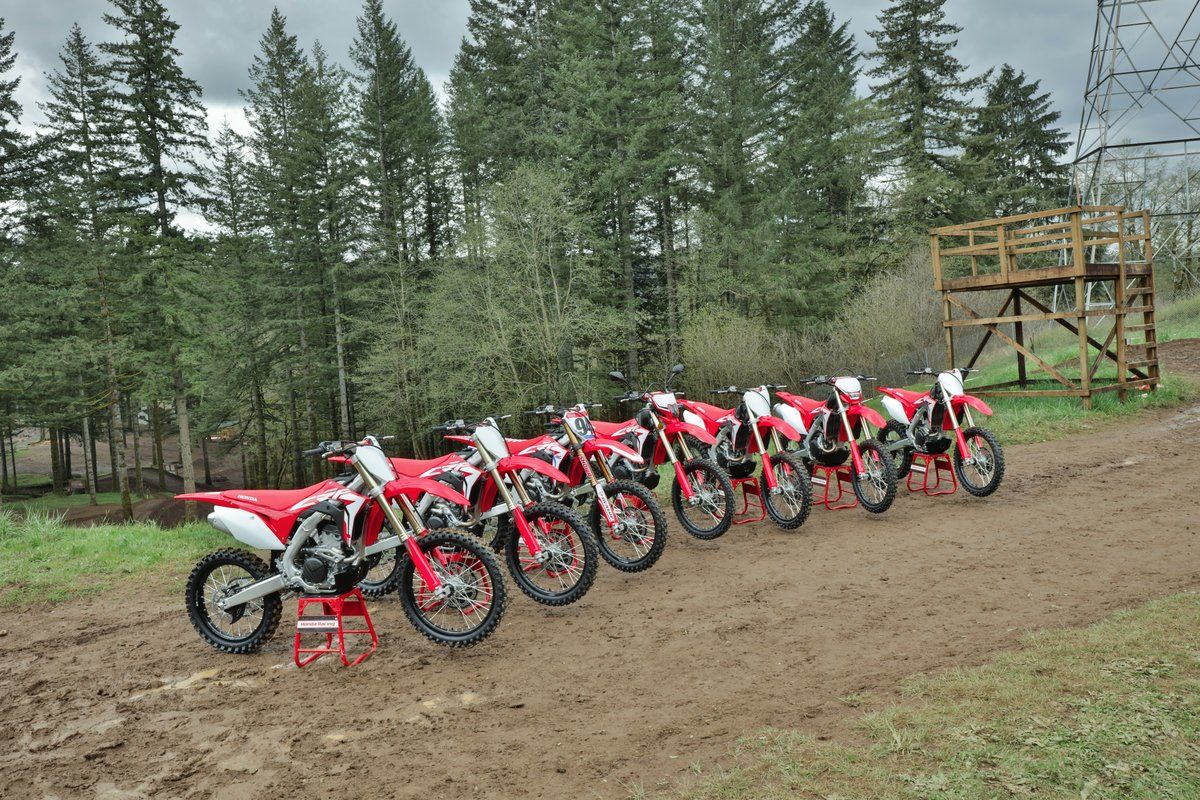
Credit: www.centennialautogroup.ca
Common Misconceptions
When it comes to dirt bikes, many enthusiasts are eager to ride them beyond the trails and onto the streets. Yet, there’s a lot of confusion about whether dirt bikes are road legal. This section will address some common misconceptions surrounding dirt bikes and their legality on public roads.
Misconception: All Dirt Bikes Can Be Made Street Legal
Not every dirt bike can be converted for street use. While some models are designed to be adaptable, others lack the necessary features, such as turn signals and mirrors. If you’re considering making your dirt bike road legal, first check if your model allows for these modifications.
Misconception: A License Plate Makes Your Dirt Bike Legal
Simply attaching a license plate to your dirt bike doesn’t make it road legal. You need to ensure that your bike meets all safety standards required by law. This includes having proper lighting, emissions control, and other essential features. Without these, you’re still not compliant with road regulations.
Misconception: Off-road Tires Are Suitable For Roads
Off-road tires are designed specifically for rugged terrains and not for highways. Using them on paved roads can affect your bike’s handling and safety. If you’re planning to ride on streets, investing in street-friendly tires is crucial for your safety and compliance.
Misconception: Insurance Isn’t Necessary For Dirt Bikes
Many believe that insurance isn’t needed for dirt bikes, especially if they’re used off-road. However, if you’re riding your dirt bike on public roads, having insurance is not just beneficial but often legally required. It protects you and others in case of accidents.
Are you planning to take your dirt bike out on the streets? Understanding the nuances of road legality can save you from potential fines and safety risks. Always verify the local laws and requirements before making your dirt bike street-ready. Have you ever faced any challenges in making your bike road legal? Share your experiences below.
Steps To Legalize Your Dirt Bike
Converting a dirt bike for road use involves a few key steps. Install necessary equipment like mirrors and lights to meet legal standards. Register the bike with the local transportation authority for a license plate. Ensure insurance coverage to comply with road regulations.
Legalizing your dirt bike for road use can seem daunting, but breaking it down into manageable steps can ease the process. You may have an adrenaline-fueled love for dirt biking on rugged terrains, but the thrill of riding it legally on the road is unmatched. Here’s a clear guide to help you transform your off-road beast into a street-savvy machine.Inspection And Approval
Before hitting the road, your dirt bike needs a thorough inspection to ensure it meets safety standards. This typically involves checking for essential components like headlights, taillights, mirrors, and turn signals. Consider this: would you feel safe riding in traffic without knowing your bike’s brake system is top-notch? An approved inspection will not only give you peace of mind but also ensure compliance with legal standards. Find a local inspection station that specializes in motorcycles for an expert evaluation.Documentation And Fees
Once your bike passes inspection, it’s time to tackle the paperwork. Start by gathering all necessary documents, such as proof of ownership, insurance, and inspection approval. You might wonder, “Why is documentation so crucial?” Simply put, it’s your bike’s ticket to legality. Without the proper paperwork, you risk penalties and fines. Ensure you’re clear on the fees involved, which can include registration costs and taxes. It’s wise to budget for these expenses beforehand to avoid surprises.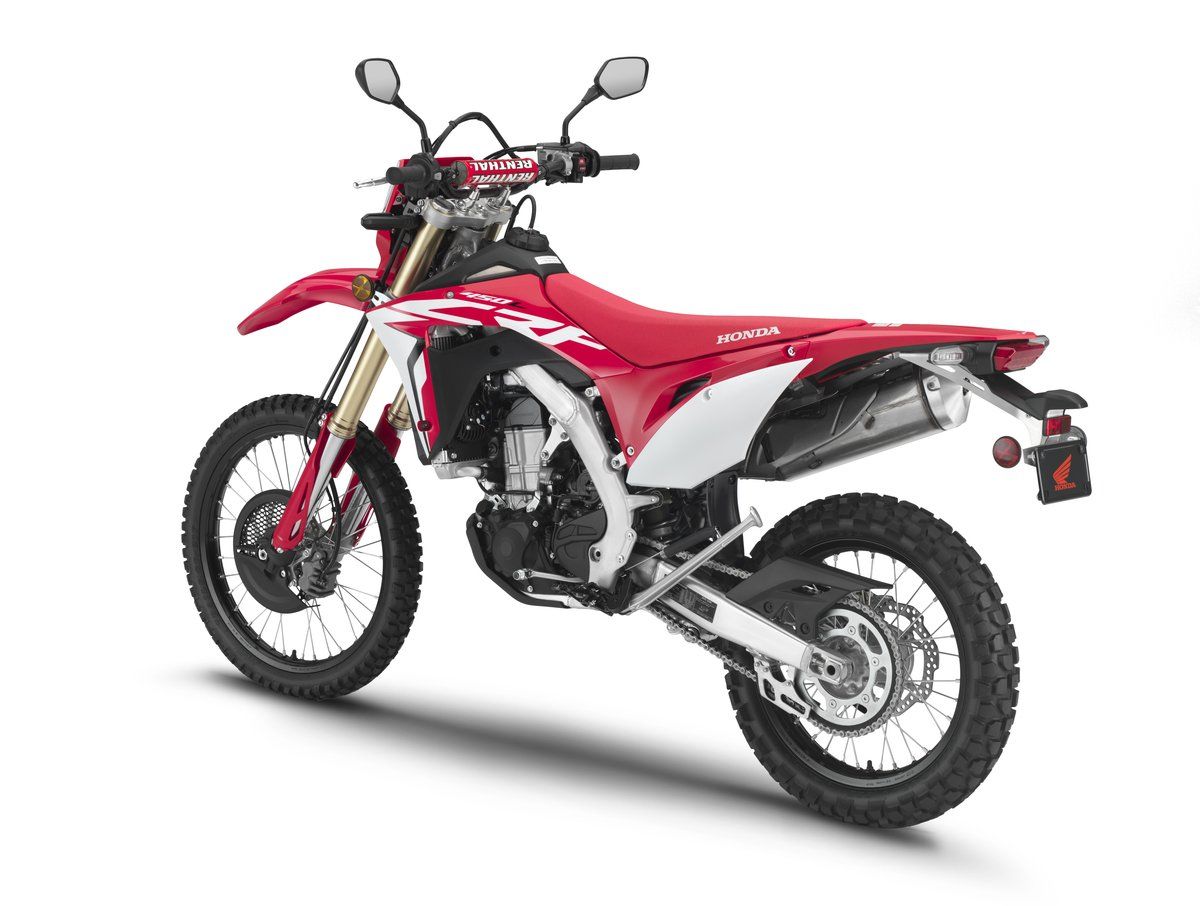
Credit: www.centennialautogroup.ca
Frequently Asked Questions
What Type Of Dirt Bike Is Street Legal?
Street legal dirt bikes need DOT-approved lights, mirrors, tires, and emission standards. They must be registered and insured. Popular models include the Suzuki DR-Z400S and Honda CRF450L. Always check local laws for specific requirements, as they vary by region. Ensure your bike meets all legal specifications for road use.
Are Dirt Bikes Road Legal In The Us?
Dirt bikes are generally not road legal in the US. They lack essential equipment like headlights and mirrors. However, you can modify them to meet state requirements. Check local laws, as regulations vary by state. Always ensure compliance with your state’s Department of Motor Vehicles for proper registration and use.
Can You Go On The Road With A Dirt Bike?
Dirt bikes are primarily designed for off-road use. Riding them on public roads often requires modifications and registration. Check local laws for street legal requirements. Always prioritize safety and ensure your bike meets road standards.
Can Dirt Bikes Go On Normal Roads?
Dirt bikes can go on normal roads if they are street-legal. They must meet road safety standards and have necessary equipment like headlights, mirrors, and turn signals. Check local regulations to ensure compliance before riding on public roads. Always wear protective gear for safety.
Conclusion
Dirt bikes offer thrilling rides off-road. On roads, legality varies widely. Rules differ by country and state. Some require changes to make them street-legal. Lights, mirrors, and signals may be needed. Check local laws before riding on public roads. Safety gear is crucial for protection.
Helmets and pads keep riders safe. Always follow traffic rules. Respect other road users. Dirt biking is fun, but safety and legality come first. Enjoy the ride responsibly. Get informed. Stay safe. Know the law.