
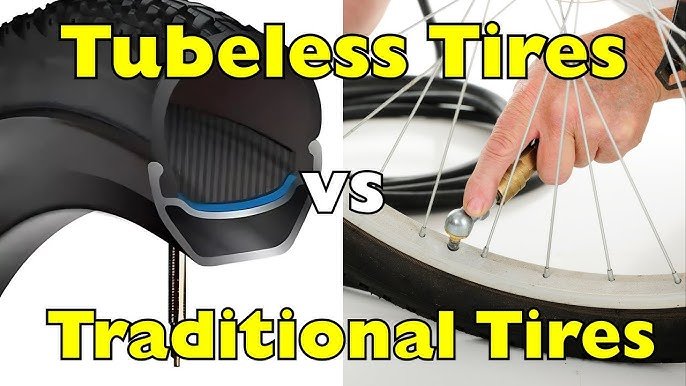
Are you on a quest to enhance your road biking experience? If so, you’ve probably stumbled upon the debate: are tubeless tires better for road bikes?
This question isn’t just about keeping up with trends. It’s about your safety, speed, and the overall thrill of the ride. Imagine gliding over the pavement, feeling the smoothness and grip that only the right tires can offer. Tubeless tires promise a puncture-free journey and less rolling resistance, but are they truly the game-changer for your cycling adventures?
We’ll dive into the benefits and potential drawbacks, providing you with everything you need to make an informed decision. Ready to find out if tubeless is the way to go for your road bike? Keep reading to discover the answers.
Benefits Of Tubeless Tires
Tubeless tires offer improved puncture resistance for road bikes, reducing the risk of flats during rides. They provide better grip and smoother performance by allowing lower air pressure, enhancing comfort and control. Plus, they eliminate the need for inner tubes, simplifying maintenance and saving weight.
Tubeless tires have become a popular choice for road bike enthusiasts. They offer a range of benefits that enhance the biking experience. From improved puncture resistance to a smoother ride, these tires can make a significant difference.Improved Puncture Resistance
Tubeless tires reduce puncture risks. They use a sealant inside, which can quickly seal small holes. This means fewer stops for repairs. Riders can enjoy longer, uninterrupted rides. No need to worry about sharp objects on the road.Enhanced Ride Comfort
Without inner tubes, these tires provide a smoother ride. They allow lower tire pressures. This increases the contact area with the road. It absorbs road vibrations better. Riders feel less impact from bumps. More comfort means a more enjoyable ride.Lower Rolling Resistance
Tubeless tires have less rolling resistance. This means less energy is needed to move the bike. Cyclists can go faster with less effort. It improves efficiency on long rides. Riders can maintain speed with ease. Saving energy leads to a better performance.Drawbacks Of Tubeless Tires
While tubeless tires offer benefits, they also come with drawbacks. These can affect your cycling experience. Understanding these challenges can help make an informed decision.
Initial Setup Challenges
Setting up tubeless tires can be tricky. It requires specific tools and skills. Sealant must be applied carefully. This can be messy and time-consuming. The tire needs to fit tightly on the rim. Achieving a proper seal can be difficult. Some cyclists find this process frustrating.
Higher Maintenance Requirements
Tubeless tires demand regular upkeep. Sealant inside the tire dries over time. This requires periodic checking and refilling. Tires must be inspected for punctures often. Repairs can be more complicated than with traditional tires. Maintaining the right pressure is also crucial. This can be challenging for some riders.
Compatibility Issues
Not all wheels are tubeless-ready. Compatibility with existing wheels may be a concern. Some older models may need upgrades. These upgrades can be costly. Checking compatibility before purchase is essential. This ensures a smooth setup and riding experience.
Comparing Tubeless With Traditional Tires
Deciding between tubeless and traditional tires can significantly impact your road biking experience. Tubeless tires have been gaining popularity, but how do they stack up against the traditional clincher tires? Let’s delve into a detailed comparison to help you make an informed choice.
Weight Differences
One of the first things cyclists notice is the weight difference. Tubeless tires tend to be lighter because they eliminate the need for an inner tube. This reduction in weight can translate to better speed and agility.
However, it’s important to consider the sealant used in tubeless setups, which can add a bit of weight. Do you prioritize a lighter setup or the convenience of fewer flats?
Performance On Various Terrains
When it comes to tackling different terrains, tubeless tires often provide a smoother ride. They allow you to run lower air pressures, which can improve traction and comfort on rough roads.
Traditional tires, while reliable, may not offer the same level of grip on challenging surfaces. Think about the types of roads you frequently ride. Would a tubeless setup enhance your biking experience?
Cost Considerations
Initial costs for tubeless systems can be higher due to the need for compatible rims and sealant. However, tubeless tires can potentially save you money in the long run by reducing the frequency of flat repairs.
On the other hand, traditional tires are often more budget-friendly up front. Consider your long-term cycling needs and whether the initial investment in tubeless technology aligns with your budget.
Ultimately, the choice between tubeless and traditional tires boils down to personal preference and riding style. By understanding the differences, you can choose the tire that best suits your needs. How do you envision your ideal ride?
Credit: gearjunkie.com
Installation Process
Installing tubeless tires on road bikes involves a few simple steps. First, ensure the rim is clean and ready. Then, mount the tire, add sealant, and inflate it to the recommended pressure.
The installation process of tubeless tires for road bikes can seem daunting. With the right tools and approach, it becomes manageable. Tubeless tires offer benefits like reduced punctures and improved ride quality. Proper installation ensures these advantages are fully realized.Necessary Tools And Equipment
To install tubeless tires, gather essential tools. You need tire levers and sealant. A pump or compressor is vital. Ensure you have tubeless-ready rims and tires. Tape and valve stems are also required.Step-by-step Guide
Begin by cleaning the rim thoroughly. Apply tubeless tape carefully to cover spoke holes. Insert the tubeless valve and secure it tightly. Mount one side of the tire onto the rim. Pour sealant into the tire before fully mounting. Inflate the tire using a pump or compressor. Check for leaks and ensure the tire seats evenly.Common Installation Mistakes
Avoid these common errors during installation. Incorrect tape application leads to leaks. Ensure the valve is tightly secured to prevent air escape. Using insufficient sealant may cause puncture risks. Inflating too quickly can disrupt tire seating. Check alignment to avoid uneven wear and performance issues.Maintenance Tips
Tubeless tires offer enhanced puncture resistance and smoother rides for road bikes. Regularly check sealant levels to ensure optimal performance. Clean rims and inspect for leaks to maintain tire longevity.
Ensuring your tubeless tires are in top condition is key to a smooth and safe ride. While tubeless tires offer numerous benefits, such as fewer punctures and improved ride quality, they also require regular maintenance. With a few simple steps, you can keep your tires performing at their best and enjoy the road with confidence.Regular Inspection Routine
Checking your tires regularly helps you spot potential issues before they become serious. Look for cuts, abrasions, or embedded debris that could compromise the tire. Inspect the tire pressure to ensure it’s within the recommended range for your bike. Make it a habit to give your tires a quick visual check before each ride. This proactive approach can save you from unexpected flats and costly repairs.Sealant Replacement Schedule
The sealant in your tubeless tires is essential for preventing flats. Over time, it can dry out or become less effective. To maintain optimal performance, replace the sealant every 3 to 6 months. Consider setting a reminder on your phone or calendar. This simple step ensures you don’t forget this crucial maintenance task.Troubleshooting Common Issues
Encountering a problem with your tubeless setup? Understanding common issues can help you resolve them quickly. A sudden loss of air might indicate a damaged valve or a bead not seated properly. If you notice a slow leak, inspect the tire for any tiny punctures or sidewall damage. Carrying a small repair kit with a tubeless plug can be a lifesaver on long rides. What other maintenance tips have you found useful for your tubeless tires? Share your experiences in the comments!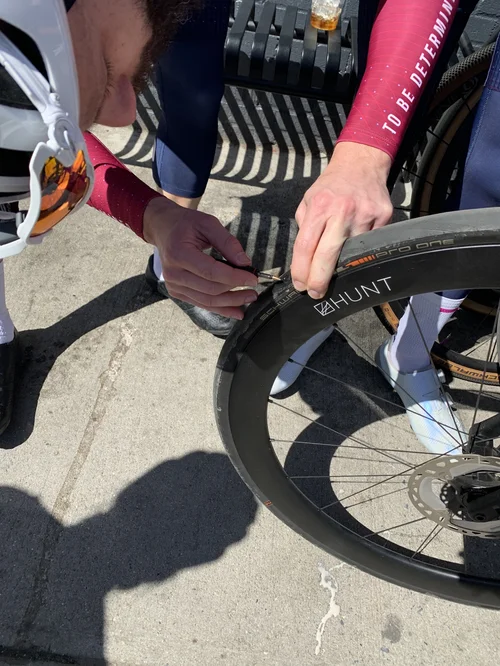
Credit: www.tobedetermined.cc
Choosing The Right Tubeless Tires
Choosing the Right Tubeless Tires Tubeless tires for road bikes offer better puncture resistance and a smoother ride. They also improve rolling efficiency, which can enhance performance.
Choosing the right tubeless tires for your road bike can be a game-changer in your cycling experience. It’s not just about reducing flats; it’s about enhancing ride quality and performance. Picking the right set involves considering several factors, exploring popular brands, and listening to user reviews.Factors To Consider
When selecting tubeless tires, tire width is crucial. A wider tire can provide more comfort and grip, especially on rough roads. Weight is another key aspect. Lighter tires can improve acceleration but might compromise on durability. Tread pattern is essential depending on your usual riding conditions. Smooth treads are ideal for road cycling, while some tread can offer better grip in wet conditions. Finally, check the compatibility with your current wheelset. Not all wheels are tubeless-ready, so ensure they match.Popular Brands And Models
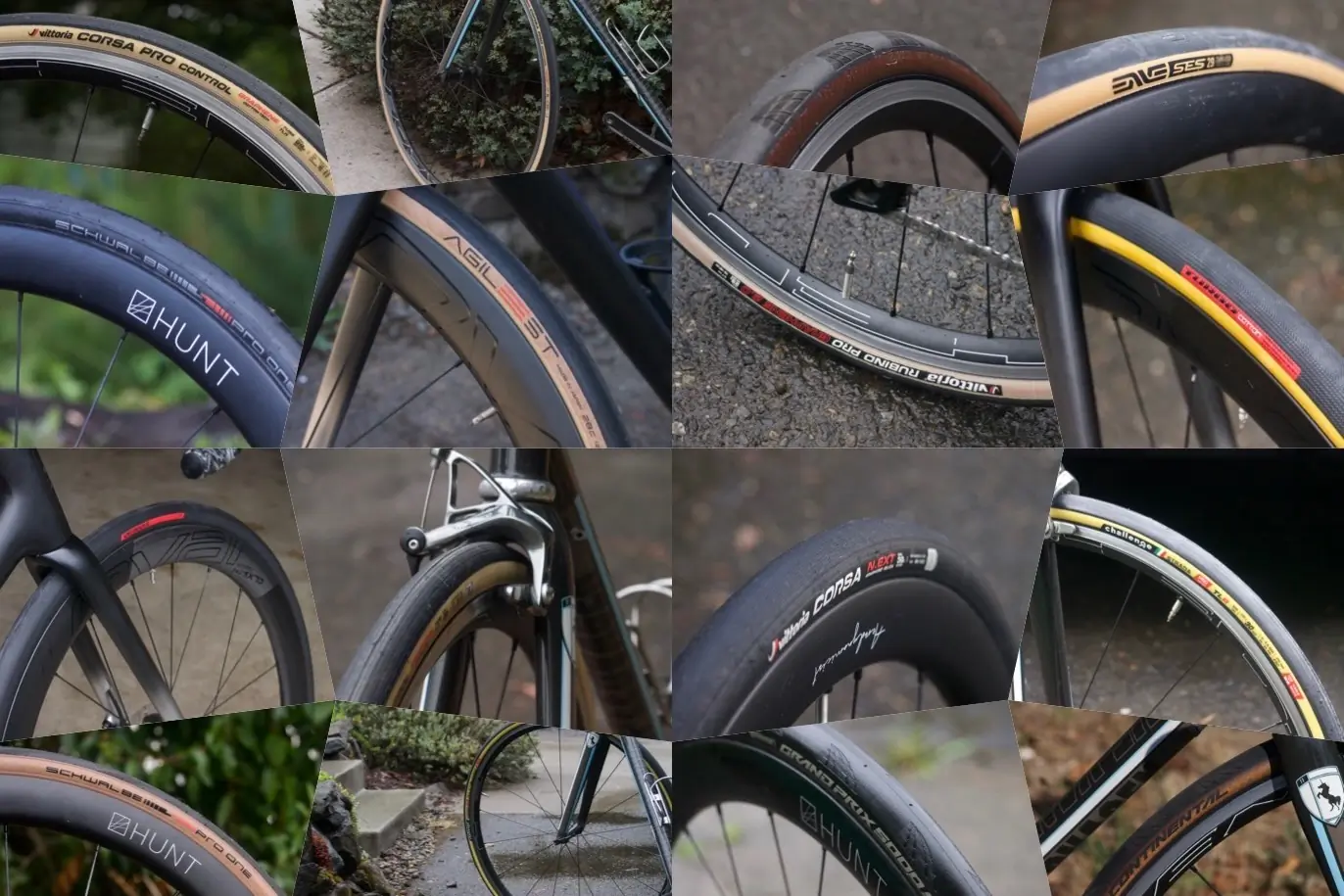
Several brands have made a name in the tubeless tire market. Continental offers the GP5000 TL, known for its durability and all-around performance. Schwalbe’s Pro One is praised for its comfort and rolling resistance. Michelin and Pirelli also provide great options, focusing on grip and speed.User Reviews And Recommendations
User reviews can be invaluable when deciding on tubeless tires. Cyclists often praise the ease of installation and puncture protection provided by tubeless setups. Many users recommend trying different tire pressures to find the sweet spot for your weight and riding style. Do you often ride in wet conditions? Users suggest prioritizing tires with better wet grip ratings. Ultimately, the best tire for you aligns with your specific riding needs and personal preferences.
Credit: superteamwheels.com
Frequently Asked Questions
Is Tubeless Better On A Road Bike?
Tubeless tires offer fewer flats and better ride comfort on road bikes. They provide improved grip and lower rolling resistance. Riders experience enhanced puncture protection. Tubeless setups can be trickier to install. Consider personal preference and riding style. Some cyclists prefer traditional clincher tires for ease.
What Are The Disadvantages Of Tubeless Bike Tires?
Tubeless bike tires can be difficult to install and require special rims. They may leak air if not sealed properly. Sealant can dry up over time, necessitating regular maintenance. Repairing punctures can be more complex than with traditional tires. Initial setup costs can be higher due to specific tools needed.
Why Do Pros Not Ride Tubeless?
Pros often avoid tubeless tires due to potential issues with sealant leaks. They prefer traditional setups for reliability. Tubeless tires can be difficult to repair during races. Pros prioritize speed and ease of maintenance, which traditional tires offer. Compatibility and weight concerns also influence their choice.
Do Pro Cyclists Use Tubeless Tires?
Yes, many pro cyclists use tubeless tires for their reduced risk of flats and better traction. Tubeless tires also provide a smoother ride and lower rolling resistance. They are popular in professional road cycling and mountain biking for these advantages.
Conclusion
Tubeless tires have their benefits for road bikes. They offer smoother rides. Less risk of flat tires. They perform well on various terrains. Easy maintenance is a plus. Better traction in wet conditions. Riders often prefer the comfort they provide.
Less weight than traditional tires. Improved efficiency on long rides. Consider your riding style and needs. Tubeless might be the right choice. Always weigh your options carefully. Explore different tire types. Each has unique features. Choose what suits you best.
Your bike experience matters most. Enjoy the ride, stay safe, and happy cycling!