
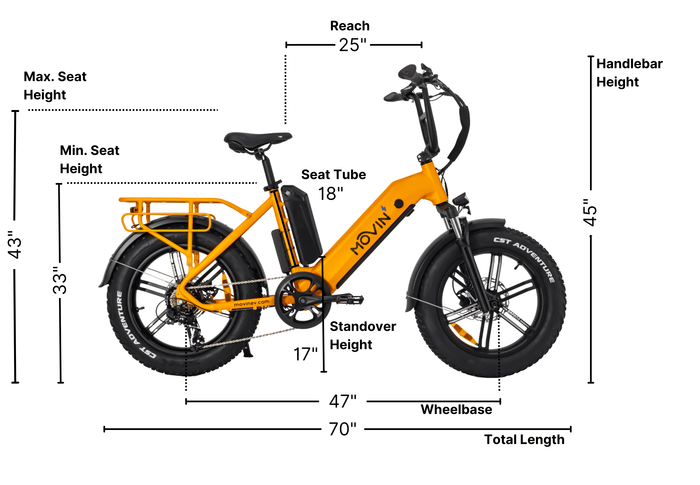
Choosing the right electric bike size can feel like solving a complex puzzle. You might wonder, “What size electric bike do I need?”
This is a crucial question because the correct size ensures comfort, safety, and the best riding experience. Imagine gliding through the streets with ease, feeling the perfect balance under you. That’s what the right size can do. But how do you find it?
That’s where this guide comes in. We’ll walk you through simple steps to discover the best fit for you. So, stay with us and uncover the secrets to making your electric bike journey smooth and enjoyable.
Choosing The Right Frame Size
Selecting the right frame size for your electric bike ensures comfort and efficiency. Consider your height and inseam measurements for the best fit. Proper sizing improves control and reduces strain during rides.
Choosing the right frame size for your electric bike is crucial for a comfortable and efficient ride. Just like shoes, the wrong size can lead to discomfort and even injury. Whether you’re commuting, exercising, or just cruising around, ensuring your bike fits well will make all the difference.Understanding Bike Geometry
Bike geometry isn’t just for engineers; it matters to you too. The geometry of a bike determines how it handles and feels. Key elements include the frame’s length, height, and the angles at which different parts connect. Imagine your bike as an extension of your body. If the frame geometry matches your proportions, you’ll ride more efficiently. A well-fitted bike can enhance your performance and reduce fatigue.Importance Of Rider Height
Your height is a primary factor in choosing the right frame size. An ill-fitting frame can cause discomfort and strain. Riding a bike too big or small can lead to back pain or knee issues. Consider this: a bike frame that’s too large might make you feel like you’re stretching to reach the handlebars. Conversely, a frame that’s too small could have you cramped up. Both scenarios are less than ideal.Calculating Inseam Measurements
Your inseam measurement is a vital metric in selecting the perfect bike size. It helps determine the right standover height for your bike. To measure your inseam, stand with your feet about six inches apart and measure from the ground to your crotch. Think of your inseam as the bridge between you and the bike. A correct measurement ensures your feet can comfortably touch the ground while sitting on the saddle. It also ensures you have the right leg extension when pedaling, optimizing your power output and comfort. Incorporating these measurements into your bike selection process will greatly enhance your riding experience. Have you ever tried riding a bike that wasn’t your size? The difference a well-fitted bike makes is night and day. Take the time to measure and consider your options—you’ll thank yourself on every ride.
Credit: eu.fiido.com
Wheel Size Considerations
Choosing the right wheel size for your electric bike matters. It affects your ride’s comfort, speed, and stability. Understanding wheel sizes helps you select the best option for your needs.
Standard Wheel Sizes
Electric bikes typically come with three main wheel sizes: 16-inch, 20-inch, and 26-inch. Each size offers different advantages. Smaller wheels, like 16-inch, are light and agile. They make quick turns easy and are ideal for city commuting. Mid-sized 20-inch wheels provide a balance between agility and stability. They suit riders who need versatility. Larger 26-inch wheels are stable and great for off-road adventures. They offer smoother rides on uneven surfaces.
Impact On Ride And Stability
Wheel size greatly impacts your ride experience. Smaller wheels enhance maneuverability and quick acceleration. They are perfect for navigating tight spaces. Mid-sized wheels balance speed with stability. They handle moderate terrain well. Larger wheels deliver exceptional stability. They glide over bumps and rough paths smoothly. Consider your riding style and comfort level when choosing.
Choosing Based On Terrain
Consider the terrain you will ride on most often. City streets and smooth paths favor smaller wheels. They navigate traffic and tight corners effortlessly. Mixed terrain, like park trails, suits mid-sized wheels. They adapt well to varied surfaces. Rough or off-road conditions demand larger wheels. They provide the stability needed for uneven ground. Match the wheel size to your typical riding environment.
Adjustable Components
Choosing the right size for your electric bike is crucial, but it’s not just about the frame size. Adjustable components can make a significant difference in your riding experience. These components allow you to tailor the bike to fit your body perfectly, enhancing comfort and control.
Handlebar And Stem Adjustments
Adjusting the handlebar and stem can have a profound impact on your riding posture. A higher handlebar can relieve pressure on your wrists and back, making long rides more comfortable. Try experimenting with different stem lengths and angles to find what feels best for you.
Don’t be afraid to try different positions. You might find that a small adjustment makes a big difference in your comfort level. Keep tools handy for on-the-go tweaks.
Seat Positioning
Your seat position can greatly affect your pedaling efficiency and comfort. Make sure the seat is level, and adjust the height so your leg is slightly bent at the bottom of the pedal stroke. This position helps prevent knee strain and improves power transfer.
If your seat is too far forward or back, it can cause discomfort. Adjust the seat angle and forward/backward position to suit your riding style. Remember, a well-positioned seat can transform your ride.
Customizing For Comfort
Customization is key to a pleasant ride. Consider adding ergonomic grips or a gel saddle for extra comfort. These small changes can make a big difference on long journeys.
Think about what you need for your typical rides. Do you often ride on bumpy paths? A suspension seat post might be worth considering. How does your current setup feel after an hour of cycling?
Pay attention to your body’s feedback. Adjust and readjust until you find your sweet spot. Comfort should always be a priority.
Weight And Load Capacity
Selecting the right size electric bike depends on your weight and load capacity needs. Ensure the bike supports your weight and any additional cargo. A suitable bike guarantees a safe and comfortable ride.
Choosing the right size electric bike involves understanding its weight and load capacity. This is crucial for ensuring a comfortable and safe ride. A bike that can’t support your weight or additional loads can lead to poor performance and safety issues.Evaluating Frame Materials
The frame material of your electric bike plays a pivotal role in determining its weight and load capacity. Aluminum frames are popular due to their lightweight nature and durability. On the other hand, steel frames, while heavier, offer greater strength and can support more weight. Consider your own weight and what you’ll typically carry. If you’re on the heavier side or plan to carry extra gear, a steel frame might be a better choice.Impact Of Battery And Motor Weight
The battery and motor are essential components that add significant weight to your electric bike. A powerful motor and a long-lasting battery can enhance your ride but will also increase the overall weight. Assess how this added weight affects your ride. A heavier bike might be harder to handle, especially for beginners or those with less upper body strength. Look for models where these components are integrated in a way that maintains a balanced center of gravity.Carrying Cargo Or Passengers
If you plan to carry cargo or passengers, load capacity becomes even more critical. Rear racks and baskets can be added, but they need to be matched with a bike that can handle the extra weight. Think about what you will frequently transport. Will it be groceries, a child seat, or camping gear? Each scenario requires different load capacities and bike stability. Consider an electric cargo bike if carrying heavy loads is a regular activity for you. These bikes are specifically designed to handle more weight without compromising on safety or comfort.Riding Style And Purpose
Choosing the right electric bike size depends on your riding style and purpose. For city commutes, a compact frame suits narrow streets. Off-road adventures need a sturdy, larger frame for stability.
Choosing the right size electric bike depends significantly on your riding style and purpose. This decision is more than just about matching your height or weight; it involves considering how you plan to use the bike. Your biking habits can drastically influence the type and size of the electric bike that suits you best.Commuting Vs. Off-road
If your primary goal is commuting, you’ll want an electric bike that’s built for urban environments. These bikes are usually lighter, with slimmer tires for smoother rides on paved roads. Consider a bike with a comfortable seating position for those longer rides to work. On the other hand, if you enjoy off-road adventures, you’ll need a more robust electric bike. Look for features like wider tires and a durable frame to withstand rough terrain. Suspension is key for absorbing shocks on bumpy trails. What terrain will you conquer with your bike?Performance Needs
Consider how much power you need from your electric bike. If speed is your priority, especially for navigating city streets swiftly, opt for a bike with a higher wattage motor. This ensures quick acceleration and a more dynamic ride. For those who prefer leisurely rides, a lower wattage motor may suffice. It’s not just about speed; it’s about getting the right balance for your comfort and safety. What level of performance are you seeking?Long-distance Travel Considerations
For long-distance travel, battery life becomes a critical factor. A bigger battery will allow you to cover more miles without frequent recharges. Make sure the bike has a range that matches your journey needs. Additionally, consider the bike’s weight, as a heavier bike might be more challenging to handle over long distances. A foldable electric bike could be a smart choice if you need to combine riding with public transport. How far do you plan to ride on a single charge?
Credit: www.finbike.com
Testing Before Buying
Choosing the right size electric bike can be quite the adventure. You want to ensure that it fits you like a glove, offering both comfort and control. That’s why testing before buying is crucial. Taking a test ride isn’t just about feeling the wind in your hair; it’s about understanding how the bike fits your lifestyle and physical needs. A poorly sized bike can lead to discomfort and affect your riding experience, so it’s essential to get it right from the start.
Importance Of Test Rides
Test rides allow you to physically feel how an electric bike behaves under different conditions. You can measure how well your body fits with the bike’s frame, pedal placement, and handlebar position. A test ride gives you the chance to experience the bike’s power and responsiveness. Imagine riding a bike that doesn’t respond well to your input—it’s frustrating, right? A quick test ride can save you from this hassle.
Evaluating Comfort And Control
Comfort and control are paramount when selecting an electric bike. During your test ride, pay attention to how the seat feels and whether your posture is natural. Does the bike feel stable and easy to maneuver? It’s not just about riding; it’s about having the confidence to ride safely. If you find yourself adjusting your position frequently, it might signal that the bike isn’t the right size for you.
Adjustments After Purchase
Even after you buy your electric bike, some tweaks may be necessary to enhance your comfort. Simple adjustments like changing the seat height or angle can make a huge difference. Maybe you need to swap out the handlebars for a different style that suits your riding posture. Don’t hesitate to make these changes—your comfort is worth it. Have you considered what adjustments might make your ride more enjoyable?

Credit: bicyclewarehouse.com
Frequently Asked Questions
What Size Electric Bike Do I Need For My Height?
Choose an electric bike size based on your height. For 5’3″ to 5’7″, go for a 16-17 inch frame. For 5’8″ to 6’0″, opt for an 18-19 inch frame. Taller riders, 6’1″ and above, should consider a 20-21 inch frame.
Always test ride for comfort.
Is There A Big Difference Between A 500w And 750w Ebike?
Yes, there is a noticeable difference. A 750W e-bike offers more power, faster acceleration, and better performance on hills compared to a 500W model. This makes it ideal for heavier riders or challenging terrains. A 500W e-bike is often more suitable for flat terrains and casual rides.
What Size Bike Do I Need For My Height?
Choose a bike size based on your height. Typically, 5’4″ to 5’7″ suits 16-17 inches, 5’8″ to 5’11” fits 17-19 inches, and 6’0″ to 6’2″ matches 19-21 inches. Always test ride for comfort.
How Do I Measure Myself For An Ebike?
To measure yourself for an ebike, check your height and inseam length. Compare these with the bike’s frame size. Ensure comfortable reach to handlebars. Test saddle height for optimal pedaling. Visit a local shop for expert advice and fitting.
Conclusion
Choosing the right electric bike size is crucial for comfort. Measure your height and inseam accurately. Consider your riding style and terrain. Test different sizes before buying. A proper fit enhances control and safety. A well-sized bike boosts your riding experience.
It prevents strain and discomfort. You deserve a bike that fits just right. Remember, riding should be fun and stress-free. Invest time in finding your perfect match. Enjoy your rides with confidence and ease. Happy cycling!