

Are you tired of your electric bike not performing as it should? Maybe you’re stuck with a mysterious issue that’s keeping you from enjoying your rides.
You’re not alone. Electric bikes are an incredible blend of technology and convenience, but like any machine, they can sometimes hit a snag. Whether it’s a battery that won’t charge, a motor that’s lost its power, or brakes that don’t respond as they should, these hiccups can be frustrating.
But don’t worry, you can fix most of these problems without breaking a sweat. In this guide, you’ll find simple, step-by-step solutions to get your electric bike back in top shape. Dive in and discover how easy it is to troubleshoot and fix common issues, so you can get back to what you love—riding your bike with ease and confidence.
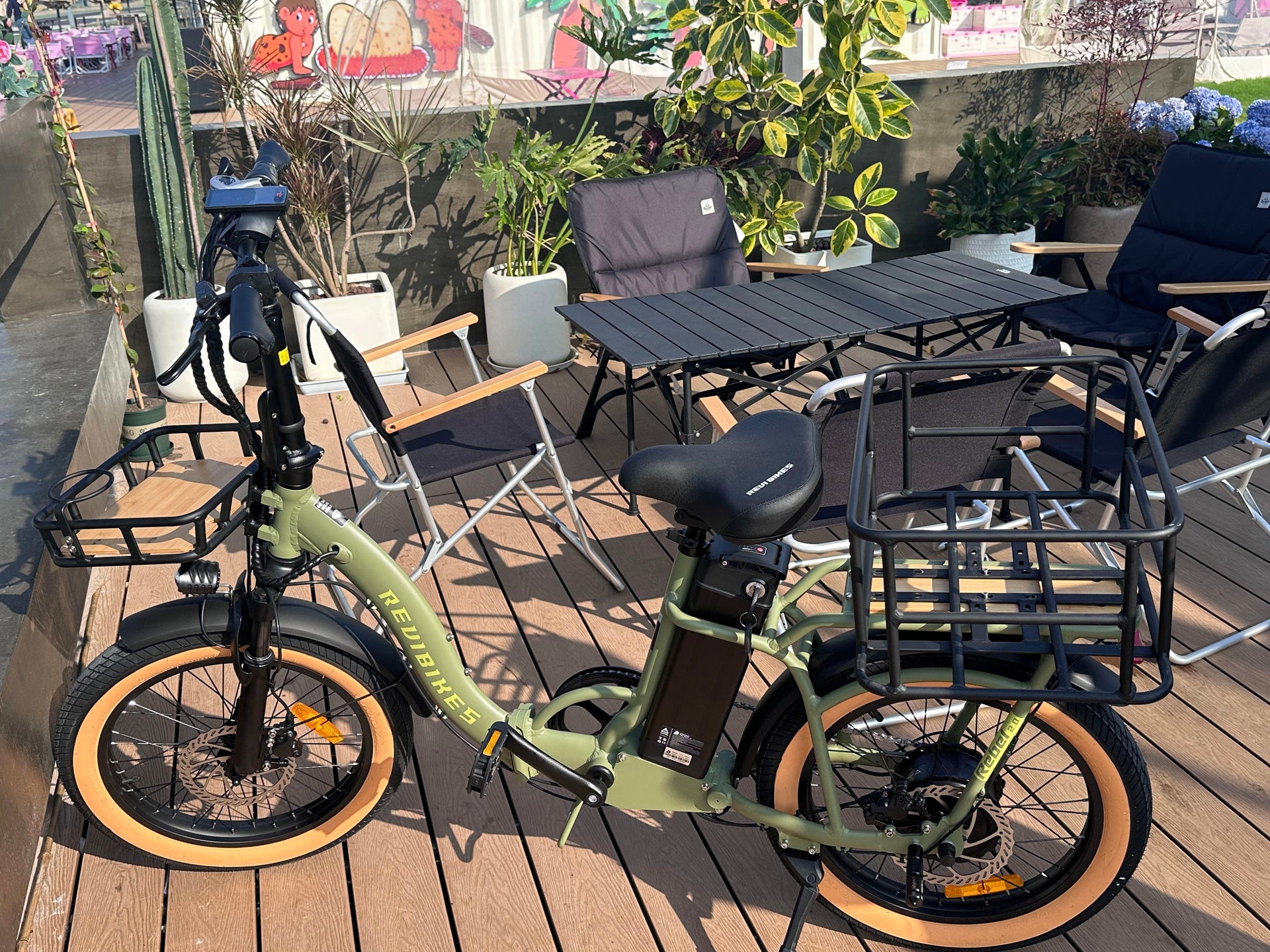
Credit: www.revibikes.com
Common Issues With Electric Bikes
Electric bike troubleshooting involves addressing common issues like battery problems and motor malfunctions. Riders often face challenges with unresponsive controls, flat tires, and charging difficulties. Regular maintenance can prevent most of these issues, ensuring a smoother ride.
Electric bikes have revolutionized the way we commute, offering an eco-friendly and efficient alternative to traditional transportation. However, like any machine, they can sometimes run into issues. Understanding common problems can help you troubleshoot quickly and get back to enjoying the ride. Let’s explore some typical challenges you might face with your electric bike.Battery Problems
Your electric bike’s battery is its powerhouse. It’s frustrating when it doesn’t hold charge or fails to power up. Check for loose connections; they can disrupt the power flow. Inspect your battery for any visible damage. Swelling or corrosion indicates you might need a replacement. Keep your battery clean and dry to extend its life. Remember to charge your battery regularly. Letting it drain completely can harm its longevity. Try using a smart charger to prevent overcharging and maintain optimal performance.Motor Malfunctions
The motor is central to your bike’s performance. If you notice unusual noises or a lack of power, your motor might be the culprit. Ensure all cables are connected properly. Look for any obstructions in the motor area. Sometimes debris can interfere with its functioning. Cleaning this part regularly can prevent such issues. If problems persist, consider consulting a professional. They can diagnose deeper issues that might not be apparent to the naked eye.Braking System Faults
Safety is paramount, and faulty brakes can put you at risk. Are your brakes not responding well or making noise? Check the brake pads for wear and tear. Adjust the brake cables to ensure they’re tight and responsive. A loose cable can compromise braking efficiency. Lubricate moving parts to keep them functioning smoothly. This simple maintenance step can make a big difference in stopping power. Electric bikes offer freedom and convenience, but issues can arise. Would you rather troubleshoot yourself or seek professional help? Addressing these common problems can ensure your ride remains smooth and enjoyable.
Credit: letrigo.com
Diagnosing Battery Issues
Diagnosing battery issues helps in identifying common electric bike problems. Check for loose connections and ensure the charger works properly. Battery life and performance can improve with regular maintenance.
Electric bikes are a fantastic way to travel, offering an eco-friendly and efficient mode of transport. However, like any other technology, they can sometimes encounter issues, especially with the battery. Diagnosing battery problems can seem daunting, but it doesn’t have to be. With some straightforward steps, you can identify and possibly resolve many common battery issues on your own.Checking Battery Charge
Start by ensuring your battery is fully charged. Connect it to the charger and confirm the indicator lights are functioning correctly. A green light typically means it’s charged, while a red or flashing light might suggest a problem. To avoid surprises, always have a portable charger with you. This way, you can recharge on the go, especially if your battery drains faster than expected.Inspecting Battery Connections
Loose or corroded connections can lead to poor performance. Examine the battery terminals for any signs of rust or dirt. Clean them gently with a dry cloth or a soft brush. Have you noticed your bike occasionally cutting off? A simple tightening of the connections might be the solution. Ensure all cables are securely attached and show no signs of wear or damage.Testing Battery Performance
If charging and connections seem fine, it’s time to test the battery’s performance. Use a multimeter to measure the voltage output. Compare the readings with the manufacturer’s specifications to see if it falls within the expected range. You might be surprised how quickly a battery can degrade over time. Regular testing can help you catch early signs of decline, saving you from unexpected breakdowns on the road. If the battery doesn’t hold a charge as it should, it may be time to consider a replacement.Resolving Motor Malfunctions
Electric bikes offer a smooth and eco-friendly ride. Yet, motor malfunctions can disrupt this experience. Understanding these issues helps maintain your bike’s performance. This guide will walk you through common motor problems. You’ll learn how to identify, address, and assess motor issues effectively.
Identifying Motor Noise
Strange noises often signal motor issues. Listen for grinding or clicking sounds. These noises might mean parts are worn out or misaligned. Regular inspection can prevent serious damage. Tighten any loose bolts and ensure components fit properly. If noise persists, consider seeking professional help.
Addressing Power Loss
Power loss can be frustrating during a ride. First, check the battery. Ensure it is fully charged and properly connected. Inspect cables and connectors for signs of wear. Damaged wires can interrupt power flow. Clean any dirt or corrosion from connectors. If problems continue, the controller might be faulty. Testing it could help identify issues.
Assessing Motor Overheating
Overheating shortens motor lifespan. Feel the motor casing after a ride. If it’s too hot, it may indicate a problem. Check for blockages that restrict airflow. Ensure cooling fins are clean and unobstructed. Riding in extreme conditions can also cause overheating. Let the motor cool down before further use. If overheating remains an issue, consult a technician.
Fixing Braking System Faults
Addressing braking system faults in electric bikes involves checking brake pads for wear and ensuring proper alignment. Regularly inspect cables and adjust tension to maintain optimal braking performance and safety.
Fixing the braking system of your electric bike can feel daunting, but with the right approach, it’s manageable. Whether it’s a squeaky sound or a lack of stopping power, brake issues can dampen your riding experience. Addressing these faults promptly ensures safety and maintains the joy of riding. Let’s dive into the essential steps to get your brakes back in prime condition.Evaluating Brake Pads
Begin by inspecting your brake pads. Worn-out pads are a common reason for brake issues. Look for grooves or uneven wear which indicate that it’s time for a replacement. If your pads are still in good shape, ensure they are clean and free of debris. Sometimes a simple cleaning can restore their performance. Keeping them dirt-free can prevent squeaks and improve braking efficiency.Adjusting Brake Cables
Next, check your brake cables. Are they too loose or too tight? Proper tension is crucial for effective braking. To adjust, locate the barrel adjuster near the brake lever. Turn it counterclockwise to tighten and clockwise to loosen. Test the brakes after each adjustment to find the sweet spot. Remember, a well-adjusted cable should offer enough resistance without making it hard to pull the brake lever. This balance enhances safety and control.Inspecting Hydraulic Systems
If your bike has hydraulic brakes, it’s essential to inspect the system for leaks or air bubbles. These issues can severely impact braking performance. Check the hydraulic fluid level. Low fluid can indicate a leak. Refill if needed and ensure the system is sealed properly. Bleeding the brakes might be necessary to remove air bubbles. This process can be intricate, so consider seeking professional help if you’re unsure. Maintaining a healthy hydraulic system ensures consistent and powerful braking. Troubleshooting your electric bike’s braking system doesn’t have to be stressful. By following these steps, you ensure both safety and an enjoyable ride. Have you checked your brakes recently? Prioritize this simple yet crucial maintenance task today.Troubleshooting Electrical Components
Discover how to troubleshoot electric bike components with ease. Learn to identify battery issues, motor problems, and wiring faults. Gain simple solutions to keep your e-bike running smoothly.
Troubleshooting Electrical Components Electric bikes are a modern marvel, but like all tech, they can sometimes encounter issues. When your e-bike doesn’t run as smoothly as it should, the electrical components are often the culprits. Addressing these issues can seem daunting, but breaking them down into manageable parts can make the process straightforward.Examining Wiring Issues
Wiring is the nervous system of your e-bike. Loose connections or frayed wires can disrupt the flow of electricity, causing erratic behavior. Start by visually inspecting all visible wires and connectors. Look for signs of wear or corrosion. Use a multimeter to check for continuity, ensuring that electricity flows freely through the wires. If you spot any damage, replacing the wire or connector can often resolve the issue.Testing Control Units
The control unit is the brain of your e-bike, interpreting signals and directing power. A faulty control unit can lead to unexpected power surges or losses. Begin by ensuring it’s properly connected to the battery and motor. Check for any error codes that might indicate a specific problem. If you suspect a fault, consider swapping it with a known working unit if available, to see if the issue persists.Assessing Sensor Problems
Sensors play a crucial role in ensuring your e-bike operates efficiently. They detect speed, pedal assist, and other functions. Malfunctioning sensors can cause inaccurate readings and erratic behavior. Clean all sensor connections and test them individually. If a sensor is faulty, replacing it is often the best course of action. Are you noticing a specific pattern in your e-bike’s behavior? This might point directly to a sensor problem, saving you valuable troubleshooting time. By addressing each of these areas systematically, you can often identify and fix the issue, getting you back on the road quickly. Remember, a little patience and attention to detail go a long way in troubleshooting your electric bike.Preventive Maintenance Tips
Keeping your electric bike in top shape requires regular attention to its key components. Preventive maintenance is crucial to avoid unexpected breakdowns and ensure a smooth ride. By focusing on the battery, motor, and brake system, you can extend your bike’s lifespan and enhance its performance. Let’s explore some practical tips to keep your e-bike running efficiently.
Regular Battery Care
Your e-bike’s battery is its lifeline. Treating it well can make a huge difference in performance and longevity. Ensure the battery is charged regularly, but avoid overcharging as it can degrade its life. If you’ve ever found yourself stranded due to a dead battery, you know the importance of checking its charge level before heading out.
Store the battery in a cool, dry place when not in use. Extreme temperatures can affect its capacity and lifespan. Cleaning the battery terminals periodically can prevent corrosion and ensure a good connection. Have you considered the impact of weather on your battery health?
Routine Motor Checkups
The motor is the heart of your e-bike. Regular inspections can prevent minor issues from escalating into costly repairs. Listen for unusual sounds during rides—they might indicate problems. Checking the motor for dust and debris accumulation can improve efficiency.
Lubricate moving parts to reduce friction and wear. If you’ve ever felt a loss of power while riding, it might be time for a thorough motor check. Are you aware that a simple cleaning routine can enhance motor performance significantly?
Brake System Inspections
Safety should never be compromised, especially when it comes to brakes. Regular inspections ensure that your brake system responds promptly. Check brake pads for wear and replace them as needed. A squeaking sound isn’t just annoying—it’s a sign your brakes need attention.
Test brake responsiveness before every ride. Adjust cables or hydraulic systems to maintain optimal performance. Have you ever thought about how a small delay in braking can impact your safety? Prioritize brake maintenance to ride with confidence.
Advanced Troubleshooting Techniques
Explore advanced troubleshooting techniques for electric bikes to ensure smooth rides. Identify battery issues, motor malfunctions, and connectivity problems with ease. Enhance your biking experience by addressing common technical challenges efficiently.
Advanced troubleshooting techniques for electric bikes can elevate your maintenance skills to a new level. As you delve deeper into the mechanics and technology behind your e-bike, you will find yourself becoming more adept at identifying and resolving issues that might have left you puzzled before. With a little patience and the right approach, you can tackle problems that seemed too complex, ensuring your electric bike remains in optimal condition for your adventures.Using Diagnostic Tools
Diagnostic tools are invaluable for pinpointing issues with your electric bike. These tools can help you identify problems that are not visible to the naked eye. For example, using a multimeter can reveal voltage discrepancies in your battery or motor. Many e-bikes come with built-in diagnostic software that provides error codes. Familiarize yourself with these codes—they can be the key to resolving persistent issues. Be proactive: regularly check your bike with these tools, even when things seem fine.Consulting Professional Help
Sometimes, the most effective solution is to consult a professional. If your diagnostic efforts leave you with unresolved questions, a skilled technician can offer insights that are beyond your expertise. Professionals have access to advanced equipment and years of experience that can streamline the troubleshooting process. Plus, their advice can help prevent future issues. Are you ready to ask for help before a minor problem becomes major?Implementing Software Updates
Keeping your e-bike software up-to-date is crucial for performance. Manufacturers often release updates to fix bugs and improve efficiency. Ignoring these updates could leave your bike vulnerable to problems that are easily avoidable. Check the manufacturer’s website regularly for updates and instructions. Updating software is often straightforward but make sure you follow the steps carefully to avoid causing issues. How often do you check for updates? It could be your bike’s best defense against technical glitches. By embracing these advanced troubleshooting techniques, you can boost your confidence in handling e-bike issues. Remember, the key is not just to resolve problems but to prevent them.
Credit: qiolor.com
When To Seek Professional Assistance
Owning an electric bike is an exciting and eco-friendly way to get around. However, like any other mode of transport, electric bikes can sometimes present issues that are beyond your DIY skills. Knowing when to seek professional assistance can save you time, money, and prevent further damage to your bike. Let’s explore the key signs that indicate it’s time to call in the experts.
Recognizing Complex Issues
Not every problem is straightforward. If your e-bike suddenly loses power, it could be an intricate wiring issue or a problem with the battery management system. These are not typically fixable with a simple toolset at home. Another complex issue is erratic motor behavior. If the motor is making unusual noises or vibrating excessively, it’s best to have a professional diagnose and fix it. Attempting to repair such problems without proper knowledge could lead to more extensive damage. Have you ever wondered if your brakes are up to par? If adjusting them doesn’t seem to improve performance, there might be a deeper mechanical problem that a professional should address.
Evaluating Repair Costs
Before deciding to fix the bike yourself or seek help, consider the costs involved. Sometimes, the parts needed for repair are expensive, and incorrect handling can lead to additional costs. Compare the price of professional services with potential DIY expenses. If the professional service guarantees a quick and lasting fix, it might be worth the investment. Sometimes, trying to save money through DIY can lead to higher expenses if the problem escalates. Is it worth the risk?
Choosing Certified Technicians
When opting for professional help, ensure you select certified technicians. They are trained to handle the specific complexities of electric bikes. This ensures your bike is in capable hands. Check for certifications or affiliations with known e-bike brands. This can often indicate a technician’s credibility and expertise. Reading reviews and asking for recommendations from fellow e-bike enthusiasts can also guide you to the right technician. Have you checked if your local shop has the right credentials?
Frequently Asked Questions
Why Has My Electric Bike Stopped Working?
Check the battery charge and connections. Inspect the motor for damage. Ensure the controller is functioning properly. Verify the brake cut-off sensors aren’t engaged. Test the throttle and display panel for issues.
What Is The Common Problem Of Ebike?
Common eBike problems include battery issues, motor malfunctions, and electrical system failures. Regular maintenance prevents these issues. Battery lifespan can decrease with improper charging. Motor overheating affects performance. Loose connections in electrical systems can disrupt operation. Always ensure proper care and servicing for optimal eBike functionality.
How To Reset An Electric Bicycle?
Turn off the electric bicycle. Locate and press the reset button on the controller. Hold for 5 seconds. Release the button, then power on the bike. Check the display for normal operation. Consult the manual for specific instructions, as steps may vary by model.
How Do I Know If My E-bike Controller Is Bad?
Check for unresponsive controls, inconsistent speed, or no power. Unusual noises or overheating may indicate a bad controller.
Conclusion
Electric bikes offer great convenience. Troubleshooting common issues can save time. Always check the battery first. It’s often the main culprit. Examine connections for loose or damaged wires. Keep your bike clean and well-maintained. Regular servicing prevents major problems. Consult your manual for specific issues.
It provides useful guidance. Don’t hesitate to seek professional help. Some problems need expert attention. Ride safely and enjoy the benefits of your electric bike. Being proactive keeps your bike running smoothly. Your trusty bike should serve you well for many adventures ahead.
Stay informed, stay prepared, and keep pedaling.