

Are you new to road biking and find yourself puzzled about shifting gears? Or perhaps you’ve been riding for a while but still feel uncertain about when and how to switch gears smoothly?
You’re not alone. Mastering the art of gear shifting can transform your cycling experience, making your rides more efficient and enjoyable. Imagine gliding up a steep hill with ease or effortlessly picking up speed on a flat stretch. Shifting gears correctly is the key to unlocking these possibilities.
In this guide, you’ll discover simple, practical tips to help you shift gears like a pro and enhance your cycling performance. Keep reading to unveil the secrets that will make your rides smoother and more satisfying.
Gear Shifting Basics
Shifting gears on a road bike is an essential skill that enhances your riding experience. Mastering it not only improves your efficiency but also makes cycling more enjoyable. Imagine cruising uphill with ease or gliding through flat terrains effortlessly. Understanding the basics of gear shifting can transform your cycling adventures.
Understanding Gear Mechanisms
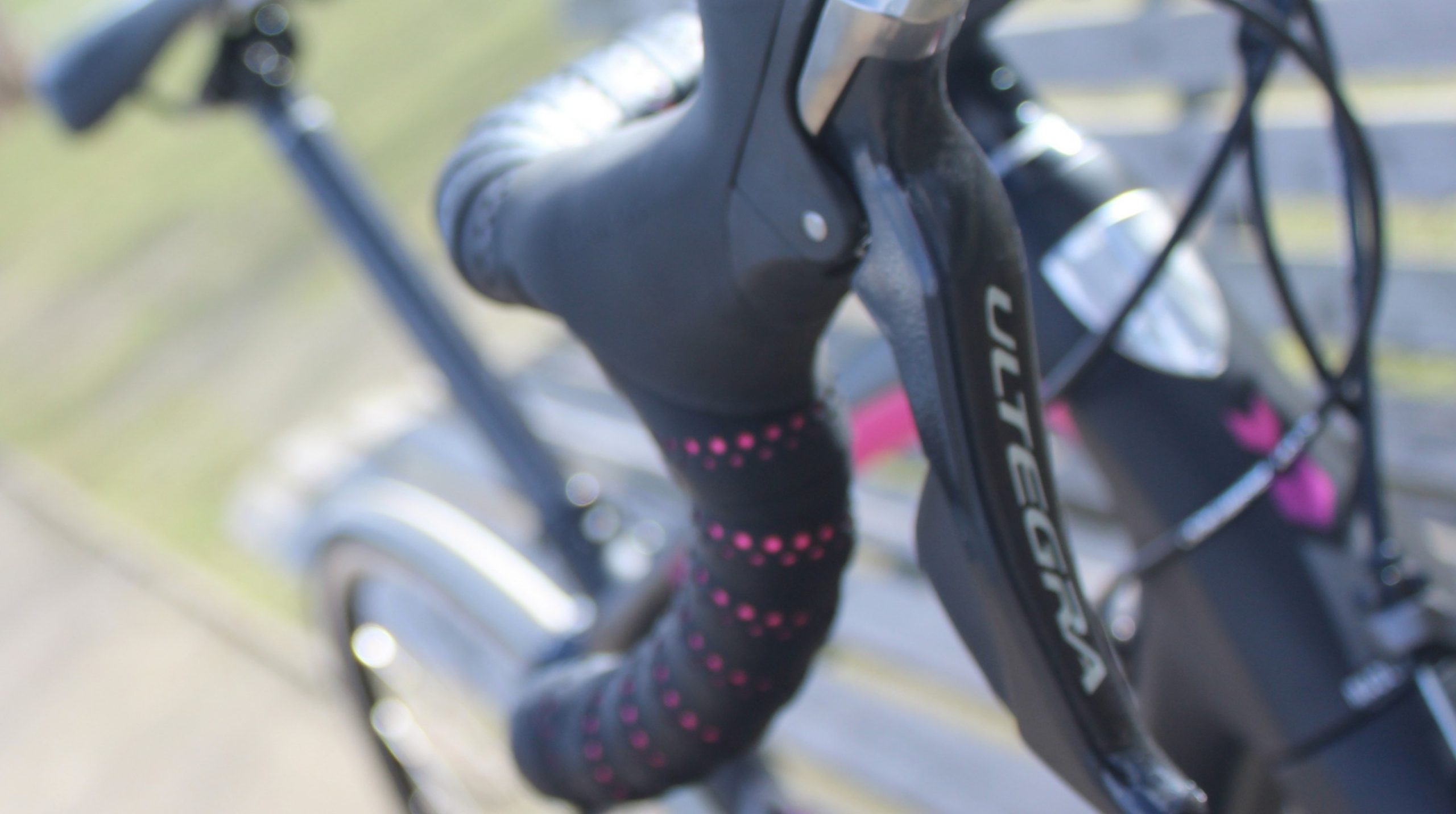
Have you ever wondered how a simple flick of your wrist can change your bike’s speed? It’s all about the gear mechanisms. Your road bike typically has two sets of gears: front and rear. The front gears, known as chainrings, are controlled by the left shifter. They dictate the broad changes in resistance. The rear gears, or cassette, managed by the right shifter, offer finer adjustments. Think of them as the secret behind your smooth transitions.
Picture this: you’re facing a steep climb. By shifting to a lower front gear and a higher rear gear, you make pedaling easier. This mechanism ensures you don’t overexert yourself, maintaining a steady pace. Understanding these parts and how they interact is your first step towards mastering gear shifting.
Types Of Gear Systems
Road bikes come equipped with different gear systems, each offering unique advantages. The most common are derailleur systems and internal hub gears. Derailleur systems, visible on most road bikes, allow for a wide range of gear ratios. They’re ideal for varied terrains, offering flexibility in adjustments.
Internal hub gears, though less common on road bikes, provide a simpler mechanism. With gears housed within the hub, they require less maintenance. While they offer fewer gear options, they’re perfect for riders who value ease over complexity. Which system suits your riding style? Choosing the right one can make all the difference.
Imagine cycling with a system that complements your needs. Whether you’re tackling hills or cruising flat roads, understanding these gear systems empowers you to make informed choices. What type of rider are you? Your answer could steer you towards the perfect gear system.
Credit: totalwomenscycling.com
Preparing To Shift
Shifting gears on a road bike involves using the shifters near the handlebars. Left shifter adjusts the front gears, while the right shifter manages the rear gears. Practice shifting smoothly to maintain momentum and tackle different terrains effectively.
Preparing to shift gears on a road bike is an essential skill that can enhance your cycling experience. It’s not just about moving the levers; it’s about doing so smoothly and efficiently to maintain your momentum. Before you attempt to shift, being well-prepared can make a significant difference in how seamlessly you transition between gears.Positioning On The Bike
Ensuring your body is positioned correctly on the bike is crucial. Keep your back straight and your elbows slightly bent. This position not only gives you better control but also ensures that your weight is distributed evenly, which can help prevent unwanted shifts. When I first started cycling, I often found myself hunched over, struggling with my balance when shifting. By adjusting my posture, I noticed immediate improvements in my ability to shift smoothly. Have you checked your positioning lately?Adjusting Hand Placement
Your hand placement on the handlebars can greatly influence your gear shifting. Ensure your hands are comfortably gripping the brake hoods or the drops, depending on your preference and the terrain. This will allow you to quickly and easily reach the shift levers without fumbling. I remember a ride where my grip was too tight on the bars, making it difficult to shift efficiently. Relaxing my grip not only eased my shift transitions but also reduced hand fatigue. Are your hands positioned to allow for a quick shift when needed? Prepare yourself with these tips, and shifting gears will become a fluid part of your cycling routine, enhancing both speed and enjoyment on the road.Mastering Gear Changes
Mastering gear changes on a road bike involves using the right-hand shifter for rear gears and the left for front gears. Shift to lower gears for easier pedaling on hills and higher gears for speed on flat roads. Practice smooth transitions for a more efficient ride.
Mastering gear changes on a road bike can significantly elevate your cycling experience. It empowers you to maintain momentum, conserve energy, and tackle various terrains with confidence. Whether you’re cruising on a flat road or climbing a steep hill, knowing when and how to shift gears can make all the difference.Timing Your Shifts
Timing is crucial when it comes to shifting gears. Anticipate the changes in terrain and adjust your gears before you need to. If you wait until you’re already struggling, the shift can be jerky and inefficient. Try shifting to a lower gear before a hill, so you can maintain a steady pace without overexerting yourself. Similarly, shift to a higher gear as you gain speed on flat or downhill sections to maximize your effort and maintain control.Handling Inclines And Declines
Inclines require a bit of finesse. Begin by shifting to a lower gear as you approach a hill. This allows you to pedal smoothly and maintain a consistent cadence. On declines, shifting to a higher gear helps you harness the gravity pull and maintain speed without excessive pedaling. Remember, it’s not just about getting up the hill or flying down it—it’s about doing so efficiently. How do you currently approach gear shifting on varying terrains, and what adjustments could improve your ride? Engaging with these strategies not only enhances your ride but also builds your confidence to tackle any road with ease.
Credit: www.theproscloset.com
Common Mistakes
Incorrect hand positioning can lead to missed gear shifts on a road bike. Shifting too hard or too softly may cause chain slips.
Shifting gears on a road bike can seem simple, but even experienced cyclists make mistakes that can affect performance and longevity of their bike. By understanding these common errors, you can enhance your ride and ensure a smoother cycling experience.Avoiding Cross-chaining
Cross-chaining occurs when you use gear combinations that stretch the chain diagonally, such as the large chainring with the largest rear cog or the small chainring with the smallest cog. This puts excessive strain on your drivetrain, causing premature wear and inefficiency. Are you guilty of this? To avoid cross-chaining, be mindful of your gear choices. Use the middle range of gears for a balanced setup. This reduces stress on your bike and makes pedaling more efficient.Preventing Gear Slippage
Gear slippage can be both frustrating and dangerous, especially when climbing or accelerating. It often results from worn-out components, improper adjustments, or poor shifting technique. Have you ever experienced your chain jumping unexpectedly? Ensure your derailleur is properly adjusted and your chain is well-lubricated. Regular maintenance can prevent slippage, providing a smoother and safer ride. Pay attention to the sounds of your bike—unusual noises often indicate a need for tuning. Remember, avoiding these mistakes not only enhances your riding experience but also extends the life of your bike components. Be attentive, make smart gear choices, and enjoy the ride.Expert Tips For Smooth Shifting
Expert Tips for Smooth Shifting Learn to shift gears smoothly on a road bike by anticipating terrain changes. Practice shifting early to maintain momentum.
Shifting gears on a road bike can feel challenging. Yet, mastering smooth shifting brings joy to your ride. Expert tips can help you achieve this with ease. With practice, you’ll glide through gears effortlessly.Listening To Your Bike
Your bike communicates through sounds. Pay attention to clicks and clunks. These noises can indicate a need for adjustment. Smooth shifting should be silent. If you hear strange sounds, investigate the cause. Learning these sounds helps maintain your bike’s health. Regular listening keeps your ride smooth.Fine-tuning The Derailleur
The derailleur is key to precise shifting. Ensure it is aligned correctly. Misalignment can cause gear skipping. Adjust the tension using the barrel adjuster. Small tweaks can make a big difference. Test the gears after each adjustment. Repeat until shifting feels right. Proper tuning enhances the bike’s performance.
Credit: biketips.com
Maintenance And Care
Shifting gears on a road bike involves smoothly transitioning between different gear levels to match the terrain. Use the right shifter for the rear gears and the left for the front gears. Practice makes gear changes seamless and enhances your riding experience.
Maintaining your road bike’s gears isn’t just about smooth rides; it’s about extending the life of your bike and maximizing performance. Proper care ensures that each ride is as enjoyable and efficient as possible. Let’s dive into some essential maintenance tips that can help keep your gears in top shape.Regular Gear Checks
Regularly inspecting your gears is crucial. Start by visually checking for any wear or damage. Look for frayed cables or bent teeth on the chainrings. Adjustments might be needed if you hear unusual noises or experience skipping gears. Tighten loose bolts and ensure everything is aligned. Consider setting a monthly reminder for these checks. It’s a simple task that can prevent bigger problems down the road.Lubrication Tips
Lubrication is the lifeblood of smooth gear shifts. Choose a lubricant suitable for your local weather conditions—dry lubes for dusty climates, wet lubes for rainy areas. Apply lubricant sparingly on the chain and wipe off the excess to prevent attracting dirt. A clean rag works wonders for this. Have you ever felt your gears hesitate during a ride? It could be a sign that your chain needs some love. A quick lube session can make all the difference. By investing a little time in maintenance, you not only boost your bike’s performance but also enhance your overall cycling experience. Why not give your gears the attention they deserve and enjoy the benefits on your next ride?Frequently Asked Questions
How To Properly Shift Gears On A Road Bike?
Shift gears smoothly by pedaling lightly and easing off pressure. Use the left shifter for big adjustments. Use the right shifter for fine-tuning. Anticipate terrain changes and shift before reaching hills. Avoid cross-chaining for better efficiency. Practice regularly to improve your shifting technique and ride comfortably.
Is Gear 1 High Or Low?
Gear 1 is considered low gear. It provides high torque for starting and climbing. Use it for slow speeds and increased control. Perfect for uphill driving or towing heavy loads. It helps in maneuvering tricky terrains easily. Gear 1 is essential for situations requiring maximum engine power.
Do You Stop Pedalling When Changing Gears?
Keep pedaling lightly while changing gears. This helps the chain shift smoothly and prevents damage. Avoid applying too much force to the pedals during the shift.
When To Shift Gears On A Road Bike?
Shift gears on a road bike when approaching hills or inclines. Use lower gears for climbing and higher gears for descents or flat terrain. Adjust gears to maintain a steady cadence and reduce strain on your legs. Anticipate changes in terrain to shift smoothly and enhance riding efficiency.
Conclusion
Learning to shift gears on a road bike feels rewarding. With practice, gear changes become smooth. You gain control and confidence on varied terrains. Keep your hands relaxed on the handlebars. Listen to the bike’s rhythm. This helps in making timely gear shifts.
Always anticipate upcoming hills or descents. Regularly check and maintain your bike’s gears. Proper upkeep ensures efficient gear transitions. Enjoy your rides with enhanced comfort and ease. Remember, practice makes perfect. Feel the thrill of cycling with every successful gear shift.
Keep pedaling forward and enjoy the journey.