

Strapping on a cycling helmet might seem straightforward, but are you sure you’re doing it correctly? Your safety depends on it, and getting it wrong could lead to serious consequences.
Imagine cruising down your favorite trail, the wind in your hair and the sun on your face. Now, imagine that same ride, but with added peace of mind, knowing that your helmet is perfectly fitted and secure. Intrigued? You should be.
In this guide, you’ll discover the essential steps to wear your cycling helmet properly, ensuring maximum protection and comfort. Let’s make sure your next ride is as safe as it is exhilarating. Keep reading to learn how a few simple adjustments can make all the difference.
Credit: www.emotorad.com
Choosing The Right Helmet
Choosing the right cycling helmet is crucial for ensuring safety and comfort while enjoying your ride. With a myriad of options available, making the right choice can be daunting. But don’t worry, understanding the types, fit, and certifications can simplify your decision-making process.
Types Of Cycling Helmets
There are several types of cycling helmets, each designed for specific riding styles. Road helmets are lightweight and aerodynamic, perfect for speed enthusiasts. Mountain bike helmets offer more coverage, with visors to protect against the sun and branches. Commuter helmets often come with features like built-in lights or reflective materials for safer urban riding. Knowing your riding style helps in narrowing down your choices.
Helmet Fit And Comfort
A helmet that fits well is not only safer but also more comfortable. Measure your head circumference accurately to find the right size. When trying on a helmet, it should sit level on your head, not tilted back, and feel snug without being too tight. Adjust the straps and pads for a secure fit. A comfortable helmet is one you’ll be happy to wear every time you ride.
Safety Certifications
Safety certifications are critical in ensuring your helmet meets industry standards. Look for certifications like CPSC, ASTM, or EN 1078. These symbols indicate rigorous testing for impact resistance. Would you trust a helmet without these marks? Remember, the right certification is your assurance of protection.
Ultimately, the right helmet combines style, comfort, and safety. Does your helmet tick all these boxes?
Proper Helmet Adjustment
Proper helmet adjustment is crucial for safety while cycling. An incorrectly fitted helmet can compromise protection. Adjusting your helmet ensures it stays secure during your ride. Let’s explore key aspects of proper adjustment.
Strap Positioning
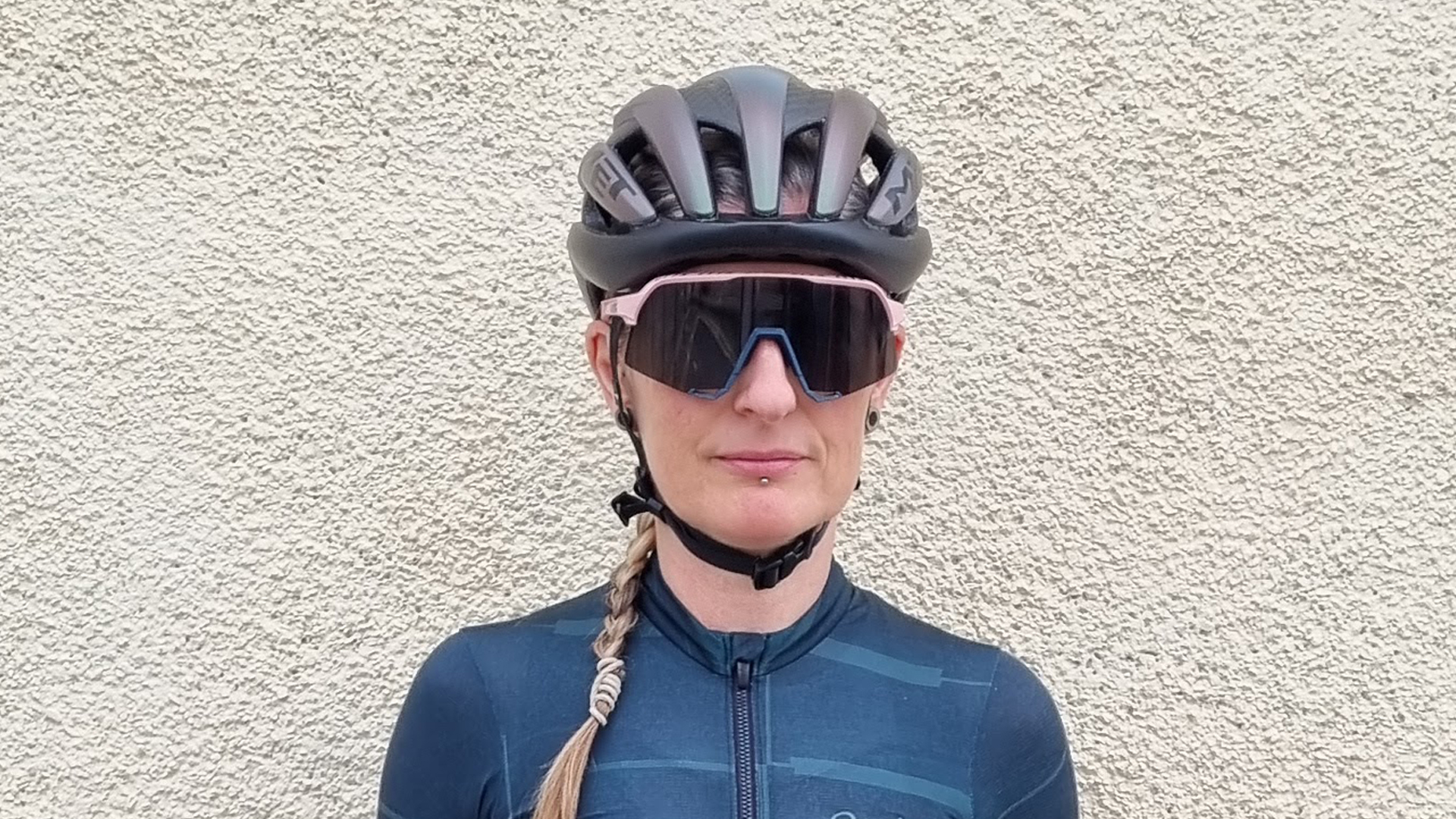
Straps should form a V-shape under your ears. This configuration enhances stability. Ensure the straps are snug but comfortable. Too tight can cause discomfort, while too loose reduces effectiveness. Check the buckle is centered and secure under your chin.
Adjusting The Fit System
Modern helmets feature adjustable fit systems. These systems allow for a personalized fit. Turn the dial at the back for a snug fit. The helmet should sit level on your head. Avoid tilting forward or backward. Comfort is key, but ensure it’s secure.
Ensuring Stability
Stability is crucial for helmet effectiveness. After adjusting, shake your head lightly. The helmet should remain stable. Adjust further if it shifts. Ensure no excess movement. Stability contributes to better protection during falls.
Checking Helmet Condition
Ensuring your cycling helmet is in top condition is crucial for your safety on the road. Before each ride, it’s essential to check the helmet thoroughly. This not only guarantees protection but also enhances your peace of mind while cycling.
Inspecting For Damage
Take a close look at the helmet’s surface for any cracks or dents. These can significantly compromise its ability to protect your head during an impact. Run your fingers along the edges and the outer shell to feel for any irregularities. A helmet that’s been in a crash, no matter how small, should be replaced immediately.
Evaluating Helmet Age
Did you know helmets have a lifespan? Manufacturers often recommend replacing them every 3 to 5 years. Over time, materials can degrade, making them less effective. Check the manufacturing date, often found on a sticker inside the helmet. If it’s been a while, it might be time for a new one.
Regular Maintenance
Keeping your helmet clean and well-maintained is easier than you might think. Use a mild soap and water to clean the straps and padding. Avoid using harsh chemicals that can weaken the materials. Regular maintenance not only prolongs the life of your helmet but also keeps it looking fresh and ready for your next adventure.
How often do you check your helmet? With these tips, make it a habit to ensure your safety gear is always in prime condition.
Safety Practices While Wearing A Helmet
Proper helmet fit is crucial for safety while cycling. Ensure the helmet sits level on your head and covers the forehead. Adjust straps to form a snug V shape under each ear and check that the buckle is tightly fastened.
Cycling helmets are essential for rider safety. They protect your head from injuries. Proper helmet use can prevent serious accidents. Let’s explore safety practices while wearing a helmet.Wearing The Helmet Correctly
Ensure the helmet fits snugly. It should sit level on your head. Adjust the straps for a secure fit. The buckle should lie under your chin. You should be able to fit two fingers between the strap and chin. The helmet should not move when you shake your head. Check the padding inside for comfort.Avoiding Common Mistakes
Never wear a helmet too loose. It should not tilt back on your head. Ensure no gaps between the helmet and head. Avoid wearing hats under the helmet. Always fasten the chin strap before riding. Replace helmets after an impact. Check for any visible cracks or damage regularly.Combining Helmet Use With Other Gear
Pair your helmet with reflective gear. This increases visibility. Use knee and elbow pads for added protection. Wear cycling gloves for grip and comfort. Choose breathable clothing for a comfortable ride. Always use proper shoes for cycling. Consider sunglasses to protect your eyes from dust and sun.Additional Safety Tips
Wearing a cycling helmet correctly is essential for safety. Yet, there’s more to consider for a secure ride. Following additional safety tips can make a big difference. It’s not just about the helmet. It’s about the whole experience.
Riding In Traffic
Riding in traffic requires extra caution. Always stay alert and aware of your surroundings. Use hand signals when turning or changing lanes. This helps drivers understand your intentions. Stay in designated bike lanes whenever possible. Avoid weaving between cars to minimize risks.
Weather Considerations
Weather affects cycling safety. Rain can make roads slippery. Wear waterproof gear and ensure your helmet fits snugly. In hot weather, stay hydrated and wear breathable clothing. Cold weather requires layers to keep warm. Each weather condition demands specific preparation.
Visibility Enhancements
Visibility is crucial while cycling. Wear bright or reflective clothing to stand out. Attach lights to your bike for better visibility at night. Use reflective tape on your helmet for extra safety. These small enhancements increase your visibility to others.
Credit: www.cyclingweekly.com

Credit: www.rudyprojectna.com
Frequently Asked Questions
What Is The Correct Way To Wear A Bicycle Helmet?
Wear the helmet level on your head, covering the forehead. Adjust straps to form a V under each ear. Ensure the chin strap is snug, allowing one finger between strap and chin. Secure the helmet so it doesn’t move. Check that the helmet fits comfortably without gaps.
What Is The 2 2 2 Rule When Fitting A Helmet On Your Head?
The 2 2 2 rule ensures a proper helmet fit: two fingers above eyebrows, two straps form a V under ears, and two fingers between chin and strap. This simple method enhances safety and comfort while riding.
How Do You Tell The Front From The Back Of A Bicycle Helmet?
Check the helmet’s shape and design. The front is usually more aerodynamic and has a visor. The back is typically rounder and may have more coverage. Look for the manufacturer’s logo, often placed at the front. Ensure straps align correctly under the chin for proper fit.
Which Way Does My Bike Helmet Go?
The front of the helmet usually has a visor or is more aerodynamic. The straps should form a “V” under each ear. Make sure it sits level on your head, covering your forehead. Adjust the straps for a snug fit.
The helmet should not tilt forward or backward.
Conclusion
Wearing a cycling helmet is crucial for safety. Start by choosing the right size. Check the fit. Adjust the straps until snug. Ensure the helmet covers your forehead. The back should sit low enough. Always fasten the buckle securely. Regularly inspect for damage.
Replace if cracked or broken. Remember, helmets protect your head. They reduce injury risks. Wear your helmet every ride. It’s a simple step for safety. Cycling is fun, but safety comes first. Make helmet wearing a habit. Encourage others to wear helmets too.
Stay safe, and enjoy your cycling journey!