
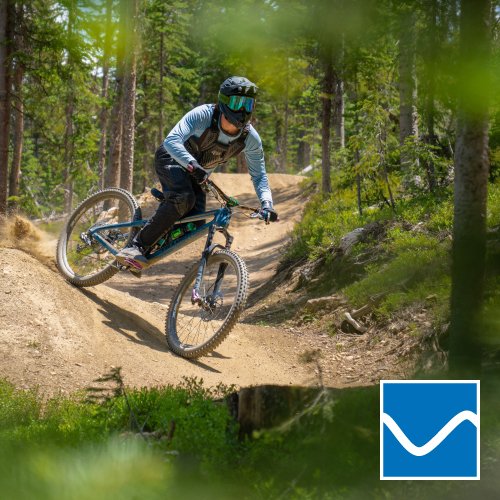
Have you ever watched a downhill mountain biking video and felt your heart race? That adrenaline, the rush, and the thrill—it can all be yours.
Imagine conquering rugged terrains, navigating steep descents, and feeling the wind whip past as you ride. But before you jump on your bike and head to the nearest trail, it’s crucial to know the basics of downhill mountain biking. Whether you’re a seasoned rider looking to refine your skills or a newbie eager to dive into the world of downhill biking, understanding the fundamentals can make your experience safer and more exhilarating.
In this guide, you’ll discover essential techniques, gear recommendations, and tips to ensure you not only survive but thrive on your ride. Ready to elevate your biking adventure? Let’s get started.
Choosing The Right Gear
Selecting the right gear is crucial for downhill mountain biking. Ensure your bike has strong brakes and robust suspension. Wear a helmet, gloves, and body armor for safety.
Choosing the right gear for downhill mountain biking is crucial for both safety and performance. Imagine flying down a steep trail with confidence, knowing your equipment will support you at every twist and turn. The right gear not only enhances your riding experience but also ensures you’re protected against unpredictable elements.Essential Bike Features
Your bike is your best friend on the trail. Look for features that prioritize stability and control. A full suspension system is non-negotiable; it absorbs shocks from rough terrains, keeping your ride smooth. Opt for wide tires with deep treads for superior grip. This helps you navigate slippery or rocky surfaces with ease. Consider the braking system. Hydraulic disc brakes offer consistent stopping power, essential for steep descents. You’ll appreciate these when maneuvering tight corners or sudden drops. Lastly, a durable frame made of aluminum or carbon ensures longevity without compromising on weight.Protective Equipment
Safety should always be your top priority. Investing in high-quality protective gear can make a huge difference. Start with a helmet designed specifically for downhill biking. Look for one with a sturdy chin guard for added protection. Don’t overlook the importance of gloves. They provide grip, reduce vibration, and protect your hands in case of a fall. Knee and elbow pads are equally vital. They cushion impacts and prevent scrapes or bruises. Think about your eyes. Goggles shield against dust, debris, and harsh sunlight, ensuring clear visibility. Ever been caught in a sudden rainstorm or blinded by intense sunlight? A good pair of goggles makes all the difference.Building Basic Skills
Building basic skills is crucial in downhill mountain biking. These skills help you ride safely and enjoy your adventures. Let’s explore two key areas: balancing and positioning, and braking techniques.
Balancing And Positioning
Balance is vital in downhill biking. It keeps you steady on rough trails. Start with a neutral position on the bike. Keep your knees and elbows slightly bent. This helps absorb shocks and maintain control.
Focus on where you want to go. Your eyes should look ahead, not down at the ground. This helps you predict obstacles and adjust your balance. Practice shifting your weight forward and backward. This prepares you for different terrains and speeds.
Braking Techniques
Proper braking is key to safe biking. Use both brakes for balanced stopping power. The front brake offers more stopping power, but use it carefully. Too much pressure can flip you over. Apply the rear brake smoothly to control your speed without skidding.
Practice braking on different surfaces. This builds confidence and muscle memory. Remember to brake before entering turns, not while in them. This helps maintain control and prevents sliding. Adjust your brake pressure according to the trail conditions. With practice, braking becomes second nature.
Navigating Terrain
Conquer downhill mountain biking by mastering balance and control. Keep your weight centered for stability on steep trails. Use brakes wisely to navigate rough terrain safely.
Navigating Terrain Downhill mountain biking offers thrilling challenges. The terrain varies, demanding quick reflexes and skill. Riders must adapt to steep descents and rocky surfaces. Understanding the terrain boosts confidence and safety.Handling Steep Descents
Steep descents require focus. Keep your weight back to maintain balance. Stand on the pedals. Bend your knees and elbows. This absorbs shocks. Look ahead, not at the front wheel. This helps plan your path. Control your speed. Use both brakes evenly. Avoid locking them. Stay relaxed. Tension can cause mistakes. Practicing on smaller hills can build confidence.Managing Rocky Surfaces
Rocky surfaces test your bike control. Keep your weight centered. This helps maintain stability. Look for the smoothest line. It might not be straight. Lift your front wheel over larger rocks. Use your body as a shock absorber. Keep a steady pace. Sudden stops can lead to falls. Anticipate bumps. Adjust your position as needed. Practice on varied rocky terrains to improve.Improving Performance
Downhill mountain biking is thrilling yet challenging. Enhancing your performance can elevate your experience and safety. Focus on technique, confidence, and control. Each improvement brings you closer to mastering the descent.
Cornering Like A Pro
Cornering efficiently is crucial. Shift your weight towards the inside of the turn. Keep your eyes on the exit, not the entry. Lean your bike, not your body. Use your outer foot for stability. Practice makes perfect.
Increasing Speed Safely
Speed requires control. Start by maintaining a relaxed grip. Always scan the trail ahead. Use your brakes strategically; avoid abrupt stops. Keep your body low for better aerodynamics. Balance speed with caution.
Safety Tips
Wear a helmet for head protection. Check your bike’s brakes and tires before starting. Always ride within your skill level and stay alert to the trail conditions.
When you’re ready to tackle the exhilarating world of downhill mountain biking, staying safe should be your top priority. While the thrill of the ride is undeniable, it’s crucial to understand the risks and take measures to protect yourself. Whether you’re a beginner or a seasoned rider, these safety tips will keep you on track and out of harm’s way.Avoiding Common Injuries
One of the most frequent issues riders face is overestimating their skill level. It’s tempting to jump into advanced trails, but starting small and building your confidence is key. Wear protective gear like a full-face helmet, gloves, and knee pads to shield your body from potential falls. Keep your bike in top condition. A regular check of your brakes, tires, and suspension can prevent mishaps. Imagine the consequences of a brake failure on a steep descent. Prevent such nightmares by ensuring your bike is ready for the terrain ahead.Emergency Preparedness
Are you prepared for an unexpected turn of events on the trail? Carry a basic first-aid kit. It should include band-aids, antiseptic wipes, and pain relievers. These small items can make a significant difference in an emergency. Make sure someone knows your route and expected return time. This is particularly important if you’re riding solo. In case of an accident, having someone aware of your whereabouts can expedite help. Don’t forget your mobile phone. It can be your lifeline in emergencies. However, keep it safely stored to avoid damage during your ride. By following these practical tips, you can enjoy the thrills of downhill mountain biking while minimizing risks. So, gear up and ride safely!
Credit: www.bikeradar.com
Finding Trails
Discover the thrill of downhill mountain biking. Choose the right trail for your skill level. Always wear safety gear for protection. Embrace the adventure and enjoy the ride!
Finding the right trails is crucial for a thrilling downhill mountain biking experience. Whether you’re a seasoned rider or a beginner, discovering trails that match your skill level and offer a dose of adrenaline is essential. The right trail can make your ride memorable, challenging, and incredibly fun. How do you find these trails? Let’s dive into some practical strategies.Local Trail Resources
Start with local resources to uncover hidden gems in your area. Check out local bike shops, as they often have maps and can offer recommendations based on your skill level. Another great resource is local biking clubs or online forums where enthusiasts share their favorite trails. Websites like Trailforks or MTB Project provide detailed trail information, including difficulty levels, elevation changes, and reviews from other bikers. You can even download some of these maps for offline use, ensuring you won’t get lost in remote areas.Planning Adventure Rides
Planning your adventure ride is all about preparation. Decide on the type of terrain you want to conquer. Are you looking for steep descents, rocky paths, or smooth tracks? Each offers a different kind of thrill. Consider the trail’s difficulty and ensure it aligns with your skill set. There’s a fine line between challenging yourself and risking injury. Always plan the logistics, such as transportation to the trailhead, necessary gear, and maybe a buddy to ride with you. Do you have a favorite snack for energy boosts? Pack it! Small details can enhance your ride, making your adventure even more enjoyable.Connecting With The Community
Connecting with the community is an essential aspect of mastering downhill mountain biking. Engaging with fellow riders not only enhances your skills but also adds a layer of enjoyment and camaraderie to the sport. Whether you’re a seasoned rider or just starting out, immersing yourself in the biking community can open doors to new trails, techniques, and friendships.
Joining Clubs And Groups
Joining local biking clubs can be a game changer for your riding experience. Clubs often organize group rides, which can introduce you to new trails and boost your confidence. Being part of a group means sharing tips, tricks, and techniques that might take years to learn on your own.
Consider reaching out to clubs in your area. Many have social media pages where they post upcoming rides and events. This is a great way to stay informed and connect with like-minded individuals. Remember, every club has its own vibe, so find one that matches your personality and goals.
Participating In Events
Events are a fantastic opportunity to test your skills and meet new people. Whether it’s a local race or a charity ride, these gatherings are filled with adrenaline and excitement. Participating in events can push your limits and offer a sense of accomplishment.
Look for events that cater to various skill levels. Some are designed for beginners, while others challenge seasoned riders. Even if you’re not competing, volunteering or spectating can be equally rewarding and insightful. Ask yourself, are you ready to step out of your comfort zone and embrace the thrill of the ride?

Credit: www.bikeradar.com

Credit: www.youtube.com
Frequently Asked Questions
How To Ride Downhill On A Mountain Bike?
To ride downhill on a mountain bike, maintain a steady speed and keep your weight balanced. Use your brakes gently to control speed, and keep your eyes focused ahead. Position your body slightly back, and grip the handlebars firmly. Practice makes perfect, so gradually build confidence on varied terrain.
How To Start Downhill Mountain Biking?
Start by choosing a sturdy downhill bike and proper safety gear. Practice on easy trails to build confidence. Focus on body positioning and braking techniques. Gradually progress to more challenging trails, always prioritizing safety. Join local biking groups for tips and motivation.
Which Gear To Use When Going Downhill Bicycle?
Use a higher gear for downhill cycling to maintain control and speed. Shift to a gear that provides comfortable pedaling without excessive resistance. This will help you manage speed safely and ensure a smooth descent. Always prioritize safety by being aware of your surroundings and braking as needed.
How Hard Is Downhill Mountain Biking?
Downhill mountain biking is challenging, requiring skill, control, and confidence. Riders navigate steep, rugged terrains at high speeds. Proper gear, technique, and safety precautions are essential. Beginners should start on easier trails and gradually progress. It’s an exhilarating sport that tests physical and mental limits.
Conclusion
Downhill mountain biking offers thrill and adventure. It’s a sport that demands focus. Gear up with essential equipment. Practice on varied terrains to boost skills. Always prioritize safety with proper protective gear. Experience nature and adrenaline rush together. Enjoy the freedom of speeding downhill.
Respect trails and nature. Riding improves balance and strength. The excitement is unmatched. Every ride brings a new challenge. Push boundaries but ride responsibly. Downhill biking is more than just a sport. It’s a way to connect with the great outdoors.
Embrace the journey and make every ride memorable.