
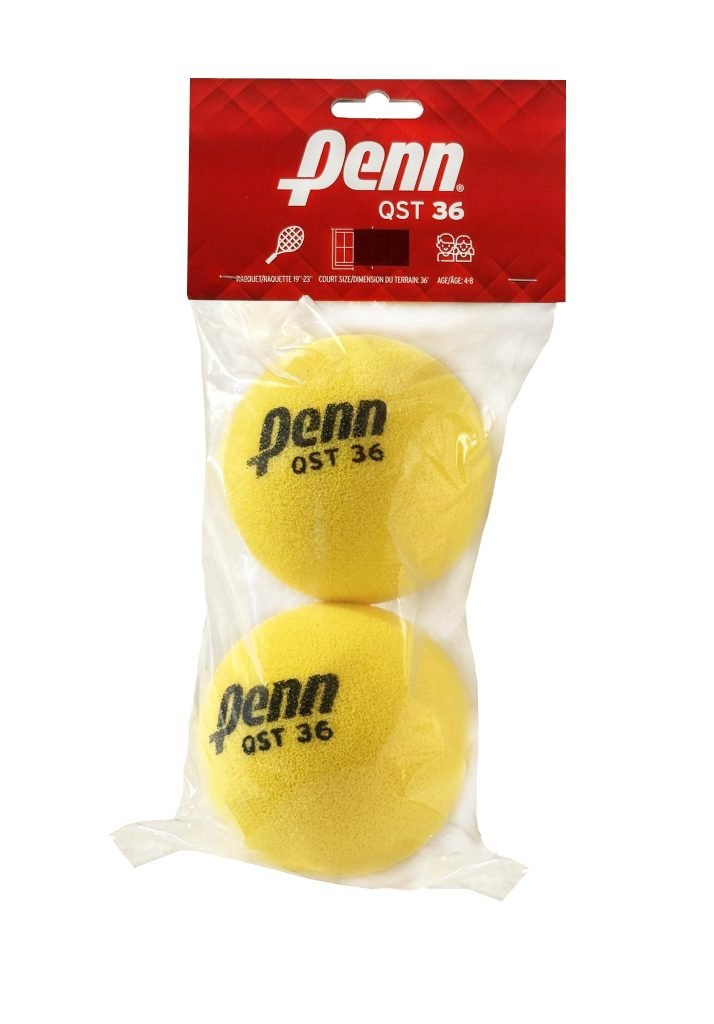
Have you ever wondered about the size of a tennis ball? It’s a question that might seem simple, yet it holds more intrigue than you might expect.
Whether you’re a casual player, a passionate fan, or just curious, the dimensions of a tennis ball can reveal fascinating insights into the sport. Imagine holding one in your hand, feeling its weight, and seeing how it measures up. Understanding its size can enhance your appreciation for the game, and even improve your play.
Dive into this article, and discover everything about what makes a tennis ball just the right size. You won’t want to miss what’s next!

Credit: www.amazon.ae
Tennis Ball Basics
Tennis is a sport loved worldwide. A key element is the tennis ball. Understanding its size is crucial for players. It affects performance and play style. Many might wonder about the actual size. Let’s explore what makes a tennis ball just right for the game.
What Is The Standard Size Of A Tennis Ball?
Tennis balls have a specific size. The International Tennis Federation (ITF) sets the standard. A tennis ball must have a diameter between 2.57 and 2.70 inches. This ensures consistency in play. Players can rely on uniform performance during matches.
Why Size Matters In Tennis
Size impacts how the ball behaves on the court. A correctly sized ball bounces predictably. It provides a fair game for all players. If a ball is too small or large, it may affect shots. Consistent size helps players develop skills effectively.
How Is Tennis Ball Size Measured?
Measuring a tennis ball is straightforward. Use a caliper or a measuring tape. Ensure the ball’s diameter falls within the ITF range. This ensures compliance with official standards. Regular checks maintain ball quality during play.
Common Misconceptions About Tennis Ball Size
Some believe all balls are the same. In reality, slight variations exist. Different brands may offer slightly varied feels. Yet, all must meet the ITF size criteria. This guarantees fair play across different courts and settings.
Impact Of Size On Ball Performance
Size influences a ball’s speed and bounce. A ball within standard size offers better control. It provides a balanced game for players. Variations can affect shot accuracy. Uniform size ensures every match is played at its best.
Standard Dimensions
Tennis balls may seem simple, but their standard dimensions play a crucial role in the sport’s precision and performance. Whether you’re a seasoned player or just starting out, understanding the size and weight specifications can enhance your game. Let’s dive into what makes a tennis ball a perfect fit for the court.
Diameter Specifications
The diameter of a tennis ball is a critical factor that affects its bounce and speed. A standard tennis ball has a diameter ranging from 2.57 to 2.70 inches. This size ensures the ball maintains consistent performance during play. Imagine hitting the ball with precision, knowing it’s designed to move predictably across the court. Have you ever thought about how this tiny difference in size could impact your game?
Weight Requirements
Tennis balls are not only about size but also their weight. A standard tennis ball must weigh between 1.975 and 2.095 ounces. This weight balance is essential for players to execute powerful serves and agile returns. The weight ensures the ball can travel at high speeds while still being manageable for players. Next time you pick up a tennis ball, consider how its weight might influence your performance.
Variations In Size
Tennis balls come in various sizes. Each type serves a unique purpose. Understanding these variations helps improve gameplay. Let’s explore the different sizes available.
Junior Tennis Balls
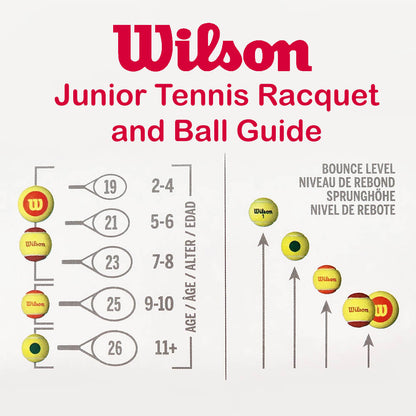
Junior tennis balls are smaller and lighter. They are designed for young players. These balls make it easier for kids to learn tennis. Their reduced size ensures better control. Young players can practice longer without fatigue. Junior balls encourage proper technique development.
Training Tennis Balls
Training tennis balls differ from standard balls. They have a lower bounce and speed. These balls are ideal for practice sessions. They help players focus on skill improvement. Training balls aid in mastering strokes. Their unique design supports consistent practice.
High Altitude Tennis Balls
High altitude tennis balls are made for elevated regions. Regular balls bounce higher in such areas. These balls have a thicker core. This design reduces excess bounce. Players experience improved gameplay at high altitudes. Using them ensures fair matches regardless of location.
Materials And Construction
Tennis balls typically measure about 6. 7 centimeters in diameter. Made from rubber, they feature a felt-covered exterior for durability. These materials ensure consistent bounce and speed during matches.
The tennis ball’s materials and construction contribute significantly to its performance on the court. Understanding the core materials and felt covering helps players appreciate the craftsmanship behind each bounce and spin.Core Materials
The core of a tennis ball is made from rubber. This rubber core gives the ball its bounce. Manufacturers often use different types of rubber. Each type affects the ball’s bounce and durability. Natural rubber is common, offering consistent performance. Some balls use synthetic rubber for enhanced durability. The rubber’s density influences the ball’s weight and feel. A denser core creates a heavier ball. Players may notice the difference in their game.Felt Covering
The felt covering of a tennis ball is vital for its grip. This covering is made from wool or synthetic fibers. Wool felt provides better grip and control. Synthetic felt offers durability but less grip. The felt’s texture affects the ball’s interaction with rackets and surfaces. Smooth felt may reduce friction, affecting spin. A rougher felt enhances grip, aiding spin and control. Players often prefer a balance between durability and grip.Impact Of Size On Performance
Tennis ball size impacts performance by affecting bounce and speed. A standard tennis ball has a diameter of 2. 57 inches. This size ensures consistent play on various surfaces, balancing control and agility during matches.
The impact of a tennis ball’s size on performance is more significant than you might think. It influences the way the ball behaves on the court, affecting everything from how it bounces to how you grip it. Understanding these nuances can elevate your game, making you more strategic in your play.Bounce And Speed
The size of a tennis ball can dramatically alter its bounce. Larger balls generally have less bounce, making them slower and potentially easier to control. This can be advantageous if you’re looking to practice precision shots or if you’re a beginner learning the game. On the other hand, smaller balls can provide a quicker bounce and increased speed. This might be beneficial in fast-paced matches where keeping your opponent on their toes is crucial. It’s about finding the balance that complements your playing style.Grip And Spin
The size also affects how you grip the ball, which in turn can influence your spin. A slightly larger ball might be easier to grip for players with larger hands, allowing for more control and varied spins. This can be crucial when you’re trying to execute complex shots that require finesse. Conversely, a smaller ball might slip through your fingers more easily, but it can also enable you to generate faster spins if you have the technique down. Consider experimenting with different sizes during practice sessions to see how it impacts your spin. Have you ever noticed how changing the ball size affects your play? It might be worth trying different sizes during your next practice to find what feels most natural for you.Regulations And Standards
Tennis balls may look simple, but they follow strict rules. The size, weight, and bounce must meet specific standards. This ensures fair play across all levels. Understanding these standards helps players choose the right equipment. Let’s explore these regulations.
International Tennis Federation Guidelines
The International Tennis Federation (ITF) sets official rules for tennis balls. The ball’s diameter should be between 2.57 and 2.70 inches. The weight must range from 1.98 to 2.10 ounces. These measurements ensure consistency in play. The ball’s bounce also matters. From a height of 100 inches, it must bounce between 53 and 58 inches. This ensures the ball behaves predictably during matches.
Professional Tournament Standards
Professional tournaments follow ITF guidelines strictly. This ensures fairness in all matches. Balls are regularly tested for size and bounce. Any deviation can affect play. Only approved balls are used in events like the Grand Slam. Players rely on these standards for consistent performance. This uniformity helps in training and competitive matches alike.
Choosing The Right Tennis Ball
Choosing the right tennis ball is crucial for players. The size and type of ball can affect your performance. Understanding the factors that influence your choice helps improve your game.
Factors To Consider
Several elements determine the ideal tennis ball for you:
- Ball Size:Standard balls have a diameter of 2.57 to 2.70 inches.
- Surface Type:Hard, clay, or grass courts require different balls.
- Skill Level:Beginners might prefer softer balls for better control.
- Age Group:Junior players often use smaller, lighter balls.
Recommendations For Different Players
Different players benefit from specific ball types:
- Beginners:Opt for pressureless balls. They offer durability and consistency.
- Intermediate:Regular duty balls perform well on clay and indoor courts.
- Advanced:Extra duty balls suit hard courts. They provide optimal bounce.
- Junior Players:Choose low-compression balls. They aid learning and skill development.
Credit: racquetguys.ca
Care And Maintenance
Tennis balls require proper care to stay in good condition. They are not just for playing. With the right maintenance, they last longer. Proper storage and cleaning are essential. Let’s explore how to keep them in top shape.
Storage Tips
Store tennis balls in a cool, dry place. Avoid direct sunlight. Heat damages them quickly. Use airtight containers to maintain pressure. This prevents the balls from losing bounce. Keep them away from sharp objects. Protecting the surface is crucial.
Cleaning Methods
Clean tennis balls regularly to remove dirt. Use a damp cloth for surface cleaning. Avoid harsh chemicals. They can damage the felt. For deeper cleaning, use mild soap and water. Gently scrub and rinse well. Let them air dry completely before storage. This helps maintain their texture and performance.

Credit: www.amazon.com
Frequently Asked Questions
What Is The Size Of A Regular Tennis Ball?
A regular tennis ball measures between 2. 57 and 2. 70 inches in diameter. The weight ranges from 1. 975 to 2. 095 ounces. These dimensions ensure consistency in play and are set by the International Tennis Federation.
Is A Tennis Ball 2 Inches?
A tennis ball measures approximately 2. 57 to 2. 70 inches in diameter. It is not exactly 2 inches. This size ensures optimal bounce and playability, conforming to international tennis standards.
Is A Tennis Ball 3 Inches?
A standard tennis ball measures about 2. 57 to 2. 70 inches in diameter. It is not exactly 3 inches. Tennis balls are designed for optimal performance and meet specific size regulations set by official bodies like the International Tennis Federation (ITF).
Are Chuck It Balls The Same Size As Tennis Balls?
Chuckit! Balls are similar in size to tennis balls. They fit standard ball launchers. Always check the specific size when buying to ensure compatibility with your dog’s toy.
Conclusion
Understanding tennis ball size is essential for every player. It impacts the game. A standard tennis ball measures about 2. 57 inches in diameter. Consistency ensures fair play across courts worldwide. Knowing this helps you choose the right equipment. It enhances your playing experience.
Remember, a tennis ball isn’t just a ball. It’s a key part of the sport. Next time you play, pay attention to the size. It might just improve your game. Stay informed. Enjoy tennis more. Happy playing!