
Are you ready to hit the tennis courts but feel overwhelmed by the choices of rackets? You’re not alone.
Picking the right tennis racket is crucial for beginners, and it can make all the difference in your game. You want a racket that complements your style, enhances your performance, and most importantly, feels right in your hands. Imagine stepping onto the court with confidence, knowing you’ve chosen the perfect racket to elevate your skills.
In this guide, we’ll break down the essentials you need to consider, so you can make an informed decision and enjoy every swing, serve, and volley. Get ready to transform your tennis experience with the right racket!
Types Of Tennis Rackets
Choosing the right tennis racket involves understanding different types available. Beginners often start with lightweight rackets for easy handling. Opt for larger head sizes for a bigger sweet spot and more forgiveness during play.
Choosing the right tennis racket can greatly impact your game, especially for beginners. Understanding the types of rackets is crucial. Each type offers unique features catering to different playing styles. Whether you seek more power or control, knowing the options helps make informed decisions. Here are the main types of tennis rackets:Power Rackets
Power rackets are ideal for players who need more force behind their swings. They have larger heads and lighter frames. This design helps generate more speed with less effort. Beginners can benefit from the extra power. It compensates for lack of technique. Power rackets usually have a stiffer construction. This provides stability during fast-paced games.Control Rackets
Control rackets are made for precision and accuracy. They have smaller heads and heavier frames. This design allows players to place shots more accurately. These rackets offer better feel and feedback. Advanced players often prefer control rackets. They require more skill to use effectively. Beginners might find them challenging. Yet, they are perfect for those who value precision.Tweener Rackets
Tweener rackets are a blend of power and control. They are versatile and suit many playing styles. They have medium-sized heads and balanced weight. This mix offers good power and control. Tweener rackets are great for intermediate players. Beginners seeking versatility will also enjoy them. They provide a balanced feel, making them adaptable for various strokes.Understanding Racket Specifications
Choosing the right tennis racket can significantly impact your game, especially if you’re a beginner. To make an informed decision, it’s essential to understand the specifications that define a racket’s performance. These specifications include head size, weight, balance, and length. By grasping these elements, you can find a racket that complements your playing style and enhances your skills on the court.
Head Size
The head size of a tennis racket is crucial for beginners. Larger head sizes offer a bigger sweet spot, which means more forgiveness on off-center hits. If you’re just starting out, opt for a racket with a head size between 100 to 110 square inches. This will help you make solid contact with the ball more consistently.
Weight
Weight is another important factor to consider. Lighter rackets (around 9 to 10 ounces) are easier to maneuver, allowing beginners to swing with ease. However, don’t go too light, as a slightly heavier racket can provide better stability and control. Try holding different rackets to see what feels comfortable for you.
Balance
Racket balance refers to the distribution of weight across the racket. You might hear terms like “head-heavy” or “head-light.” For beginners, a balanced or slightly head-light racket can offer better control and reduce the risk of injury. This balance helps you focus on technique without straining your arm.
Length
Standard tennis rackets are typically 27 inches long. As a beginner, stick to this length for optimal control and comfort. Extended-length rackets (up to 29 inches) can offer more reach and power, but they may compromise control. Ask yourself: Do you need extra reach, or is control more critical for your development?
Material And Construction
Consider a lightweight tennis racket for beginners, as it offers better control and less strain. Opt for graphite or aluminum materials to ensure durability and comfort during play.
Choosing the right tennis racket can significantly impact your game, especially when you’re just starting out. One of the key factors to consider is the material and construction of the racket, as this affects durability, weight, and performance. Understanding these elements will help you find a racket that complements your skills and enhances your playing experience.Graphite
Graphite rackets are popular among beginners due to their lightweight nature and flexibility. This material allows for easier maneuverability, making it less taxing on your arm during long practice sessions. Have you ever felt fatigued too quickly on the court? A graphite racket might be your answer, providing a balance of power and control without overwhelming your swing.Aluminum
Aluminum rackets are often more affordable and durable, making them a great choice for those just venturing into tennis. They can withstand accidental drops and rough handling, which is a common occurrence for beginners. While they might not offer the same level of finesse as graphite, they are perfect for initial practice and learning the basics. Imagine not having to worry about damaging your racket during your first few matches.Composite Materials
Composite rackets blend different materials such as graphite and fiberglass, offering a middle ground between the lightweight feel of graphite and the sturdiness of aluminum. This combination provides enhanced stability and shock absorption, making it easier to control your shots. If you’re looking for versatility, composite rackets might be the perfect fit, allowing you to experiment with different styles as you grow in confidence on the court. As you consider these options, think about your playing style and the level of commitment you’re ready to make. Each material has its unique benefits, and the right choice can boost your confidence and enjoyment of the game. What type of racket do you envision in your hand as you make that winning shot?
Credit: www.tennishq.co.uk
Grip Size Selection
Choosing the right tennis racket involves several factors. One of the most crucial is grip size selection. A suitable grip size ensures comfort and control during play. It can prevent injuries and improve performance. Let’s explore how to measure the grip size and understand its impact on your game.
Measuring Grip Size
To find the right grip size, use a ruler or tape measure. Place your measuring tool at the tip of your ring finger. Measure to the bottom lateral crease of your palm. This measurement, in inches, indicates your ideal grip size.
Another method involves holding the racket. There should be a finger’s width of space between your fingers and palm. This space allows for a comfortable grip without strain.
Impact On Performance
A correct grip size enhances your game. A grip too small makes the racket twist in your hand. This can lead to less control and possible wrist injuries.
A grip that’s too large can cause hand fatigue. It may also restrict wrist movements, reducing your spin and power. Always ensure the grip size feels comfortable and secure.
String Type And Tension
Choosing the right tennis racket involves more than just size and weight. Understanding string type and tension is essential for beginners. These aspects impact control, power, and feel during play. Let’s delve into the nuances of string type and tension for novice players.
Natural Gut Vs Synthetic
Natural gut strings offer excellent comfort and feel. They are made from animal intestines and are preferred by many professionals. However, they can be expensive and less durable. Synthetic strings, on the other hand, are more affordable. They offer a range of options in terms of playability and durability. Popular synthetic materials include nylon and polyester.
For beginners, synthetic strings are generally recommended. They provide a good balance of performance and cost. Choose synthetic for a reliable and budget-friendly option.
Optimal Tension For Beginners
String tension affects how a racket feels and performs. Lower tension creates a trampoline effect, offering more power. Higher tension provides better control but requires more effort to generate power.
Beginners should aim for medium tension. This provides a balance of power and control, aiding in skill development. Typical tension ranges from 50 to 60 pounds. Adjusting within this range can help find personal comfort and performance. Experiment a bit to discover what works best for you.
Budget Considerations
Choosing the right tennis racket can be challenging for beginners. Budget considerations play a crucial role in this decision. Understanding how much to spend helps in making informed choices. Let’s dive into the key aspects of budget planning for a tennis racket.
Price Range For Beginners
Beginner rackets come in various price ranges. Most start from $30 and can go up to $100. Cheaper options are available, but they may lack durability. Spending within this range ensures quality without breaking the bank.
Value Vs Cost
It’s important to balance value and cost. A higher price doesn’t always mean better performance. Look for rackets that offer good grip and balance. Check for lightweight materials that enhance playability. Investing wisely can lead to a more enjoyable tennis experience.
Popular Brands And Models
When you’re stepping onto the tennis court for the first time, choosing the right racket can make all the difference in your game. With an array of brands and models available, it’s easy to feel overwhelmed. However, narrowing down your choices to popular brands and models can simplify your decision, ensuring you start with equipment designed for beginners.
Beginner-friendly Brands
As a newcomer, you might want to start with brands that are known for their beginner-friendly options. Wilson is a classic choice, offering a range of rackets that cater to newcomers with their lightweight and comfortable designs. Head is another brand that excels in providing rackets that are easy to handle, making it ideal for those just starting out.
Babolat is famous for its technology-driven rackets, offering features that can assist beginners in achieving better control and power. These brands have a reputation for quality and reliability, ensuring your first experience on the court is positive.
Top Models For Starters
Within these brands, certain models stand out as perfect choices for beginners. The Wilson Clash 100 is highly recommended due to its flexible frame, which reduces the impact on your arm, making it gentler for newcomers. The Head Ti.S6 is another excellent choice, known for its lightweight structure and oversized head, providing a larger sweet spot for hitting the ball.
If you’re leaning towards Babolat, the Babolat Drive Max 110 offers a great balance of power and control, ideal for players who are still developing their technique. These models are designed to help you learn and improve your game without overwhelming you with advanced features.
Choosing your first tennis racket is an important step in your tennis journey. Have you considered what features are most important to you? The right racket can boost your confidence and enjoyment on the court. By starting with beginner-friendly brands and top models, you’re setting yourself up for success. Which brand or model are you leaning towards? Let your choice reflect your style and ambition on the court!

Credit: www.tennishq.co.uk
Testing And Trial
Choosing the right tennis racket involves more than just reading about it. Testing and trial play a crucial role in finding the perfect fit. This hands-on approach helps you understand how a racket feels during play. It ensures that the racket matches your playing style and comfort level. Here’s how to test and try different options effectively.
Demo Programs
Many sports stores offer demo programs. These programs allow you to borrow and try rackets before buying. Check if your local store has a demo program. It often requires a small fee or deposit. Try different rackets for a few days. This helps you make an informed decision.
Feedback And Feel
Pay attention to how the racket feels during play. Does it feel too heavy or too light? Is the grip comfortable in your hand? Notice if the racket provides good control and power. Also, get feedback from other players. Ask them how the racket suits your playing style. Their insights can guide you in the right direction.
Maintenance And Care
Selecting the right tennis racket ensures comfort and effectiveness. Consider grip size, weight, and head size for optimal performance. Regular cleaning and proper string tension maintenance extend the racket’s life.
Maintaining and caring for your tennis racket is just as important as picking the right one. For beginners, understanding how to keep their racket in top shape can enhance performance and extend the life of their equipment. Proper care also ensures that you get the most out of your investment, making each game more enjoyable.Regular Checks
Regularly inspecting your tennis racket can prevent small issues from becoming big problems. Start by checking the strings for any signs of wear or tension loss. A quick pluck will tell you if they’ve gone slack. Next, examine the frame for any cracks or chips. Even minor damage can affect your play. Also, look at the grip; if it feels loose or worn, consider replacing it.Cleaning Tips
Cleaning your racket is simpler than you might think. Wipe down the frame with a damp cloth to remove dirt and sweat after each match. Use a soft brush to clean the strings gently. This prevents dirt buildup, which can affect string tension over time. Don’t forget the grip. A little mild soap and water can keep it fresh, but ensure it’s completely dry before your next game. By taking these small steps, you ensure your racket remains in optimal condition, ready for your next match. How often do you check and clean your racket? Perhaps it’s time to make it a regular part of your routine.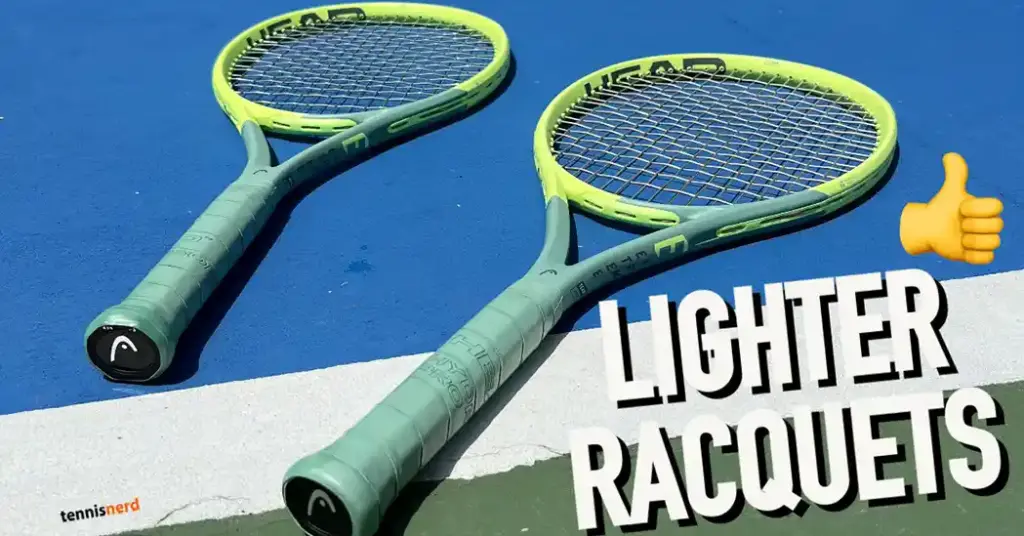
Credit: www.tennisnerd.net
Frequently Asked Questions
How Do I Choose My First Tennis Racquet?
Choose a racquet that fits your skill level, playing style, and budget. Opt for lightweight options for beginners. Consider grip size and string tension for comfort and control. Test different racquets to find the best feel. Prioritize reputable brands for durability and quality.
What Does L1, L2, L3, And L4 Mean On A Tennis Racket?
L1, L2, L3, and L4 indicate the grip size of a tennis racket. L1 is the smallest grip size, typically for smaller hands. L4 is the largest, suited for larger hands. Choosing the right grip size ensures comfort and control during play.
What Size Tennis Racket Is Best For Beginners?
Beginners should choose a tennis racket with a head size of 98-110 square inches. This offers a larger sweet spot for easier hits. Opt for a lightweight racket, around 9-11 ounces, for better control and maneuverability. A grip size of 4 to 4 3/8 inches is ideal for most beginners.
How Much Should I Spend On A Beginner Tennis Racket?
Spend between $50 and $100 on a beginner tennis racket. Choose brands like Wilson, Head, or Babolat. Ensure it offers good grip and durability for practice. Proper racket selection enhances learning and enjoyment. Avoid overly expensive options until skill level increases.
Conclusion
Choosing a tennis racket can feel overwhelming for beginners. Start with the basics. Consider the weight, grip size, and material. These factors affect your comfort and performance. Test different rackets if possible. This hands-on approach helps find the right fit.
A suitable racket boosts confidence and enjoyment on the court. Remember, the best racket is one you feel comfortable using. Take your time to decide. Your perfect match awaits. Happy playing!