

Are you tired of wrestling with your sleeping bag, trying to shove it into a stuff sack that just doesn’t fit? You’re not alone.
Choosing the right size stuff sack for your sleeping bag can feel like a puzzle, but it’s crucial for your comfort and convenience when you’re out in the wild. Imagine the frustration of packing for your next adventure, only to find your gear crammed and bulky.
It doesn’t have to be this way. By understanding the simple secrets behind selecting the perfect stuff sack, you can transform your camping or hiking experience from chaotic to seamless. Dive into this article to discover how you can make packing a breeze and enjoy your outdoor adventures with less stress and more freedom. Let’s ensure your sleeping bag is snugly packed and ready for the road ahead.
Choosing The Right Size
Selecting the perfect size stuff sack ensures your sleeping bag stays compact and secure. Consider the bag’s material and compression ability. Make sure the sack is neither too tight nor too loose for optimal packing efficiency.
Choosing the right size for a stuff sack can transform your camping experience. You want your sleeping bag to fit snugly but not so tight that it becomes a wrestling match each time you pack up. Finding the right balance means considering the sleeping bag’s size, compressibility, and your packing style.Understand Your Sleeping Bag’s Dimensions
Start by checking the packed size of your sleeping bag. This information is usually found on the sleeping bag’s label or in the product description. Measure the length and diameter when it’s fully compressed to ensure your stuff sack can accommodate it comfortably.Think About Compressibility
Does your sleeping bag compress easily, or is it more rigid? Down sleeping bags, for example, often compress more than synthetic ones. If your sleeping bag is highly compressible, you might opt for a smaller stuff sack to save space.Consider Your Packing Style
Do you like to pack light, or do you prefer to carry a bit extra for comfort? Your packing style can influence the size of the stuff sack you choose. A minimalist might choose the smallest sack that fits, while others might prefer a slightly larger size for ease of packing.Check The Weather Conditions
Weather can also play a role. In colder climates, you might have a bulkier sleeping bag, requiring a larger stuff sack. Conversely, for warm-weather camping, a smaller, lightweight option may suffice.Test It Out
If possible, try packing your sleeping bag into different stuff sacks before you buy. This hands-on approach can help you feel more confident in your choice. Plus, it’s a great way to ensure you avoid buyer’s remorse.Don’t Forget About Material
The material of the stuff sack can affect its durability and water resistance. If you’re camping in wet conditions, a waterproof sack is essential. Consider the trade-offs between lightweight materials and durability to find your perfect fit.Think About Future Needs
Are you planning to upgrade your sleeping bag soon? Choosing a versatile size might save you from having to purchase another stuff sack in the future. A little foresight can keep your camping gear streamlined and efficient. Ultimately, the right stuff sack is one that fits your sleeping bag, meets your camping needs, and makes your outdoor adventures more enjoyable. What’s your go-to strategy for choosing gear that fits just right?Types Of Sleeping Bags
Choosing the right size stuff sack for your sleeping bag can significantly enhance your camping experience. Knowing the types of sleeping bags available can help you make an informed decision. Different sleeping bags offer various benefits and features that cater to specific needs and preferences.
Down Vs. Synthetic Fill
Sleeping bags typically come in two main fill types: down and synthetic. Down sleeping bags are favored for their lightweight and high compressibility, making them ideal for backpackers who need to save space and reduce weight. However, they can lose insulating power when wet.
Synthetic fill sleeping bags, on the other hand, are generally bulkier but retain warmth even when damp. They are often more affordable and easier to maintain, making them a practical choice for casual campers or those camping in wet conditions. Consider what kind of environment you will be camping in to decide which fill type suits you best.
Mummy Vs. Rectangular Shape
The shape of your sleeping bag can affect comfort and warmth. Mummy-shaped sleeping bags are designed to fit snugly around your body, providing maximum warmth and efficiency. They are perfect for colder climates but may feel restrictive to some users.
Rectangular sleeping bags offer more room to move around, providing a more comfortable sleeping experience for those who value space. However, they might not retain heat as well as mummy bags. Consider how much you value comfort versus warmth when deciding on the shape of your sleeping bag.
Have you ever pondered how the fill type and shape of your sleeping bag could affect your camping adventure? Making the right choice can lead to a more enjoyable and cozy experience under the stars.
Measuring Your Sleeping Bag
Choosing the right stuff sack size for your sleeping bag is essential. Measure the bag’s dimensions and consider the material’s compressibility. A snug fit ensures easy packing and protects your gear.
Measuring your sleeping bag accurately ensures a perfect fit in its stuff sack. Understanding the dimensions is crucial for efficient packing. This process involves taking note of key measurements. These will aid in selecting the right size sack.Length And Width
Start by measuring the length of your sleeping bag. Use a tape measure to get the full length from the top to the bottom. Next, measure the width at its widest point. This helps determine the sack’s size for easy storage.Packed Volume
Once you have the length and width, consider the packed volume. Compress the sleeping bag to its smallest possible size. Measure its height, width, and depth. Calculate the volume by multiplying these dimensions. This provides the total space your sleeping bag occupies when packed.
Credit: www.reddit.com
Material Considerations
Choosing the right stuff sack size for a sleeping bag depends on material type and compression ability. Lightweight materials often require less space, while thicker insulation may need a larger sack. Consider sleeping bag dimensions and intended packability for optimal fit.
Material considerations play a crucial role in selecting the right stuff sack for a sleeping bag. The material impacts water resistance, durability, and overall performance. Understanding these aspects ensures your sleeping bag stays protected and ready for any adventure.Water Resistance
Choosing a material with water resistance is vital. It keeps your sleeping bag dry in damp conditions. Look for fabrics with waterproof coatings. Nylon and polyester are common choices. They offer excellent resistance to moisture. A water-resistant stuff sack prevents mold and mildew.Durability
Durability is another key factor. A durable material withstands rough handling and harsh environments. Ripstop nylon is popular for its strength. It resists tears and abrasions effectively. Polyester also provides good durability. Ensure seams are reinforced for added toughness. A strong stuff sack prolongs the life of your sleeping bag.Compression Sack Benefits
Choosing the right size stuff sack for a sleeping bag is crucial for space-saving. A well-fitted sack compresses your sleeping bag efficiently. This makes packing easier and helps maximize backpack space.
Compression sacks offer significant benefits for outdoor enthusiasts. They provide practical solutions for packing and protecting your sleeping gear. These sacks compress bulky items, making them more manageable and easy to transport. Let’s explore their key advantages.Space Saving
Compression sacks reduce the size of your sleeping bag. They squeeze out excess air, allowing more room in your backpack. This space-saving feature means you can pack more essentials. A compact backpack is easier to carry and organize. You’ll appreciate the extra space for food, clothes, and gear.Protection From Elements
Compression sacks safeguard your sleeping bag from moisture. They shield it from rain, snow, and damp ground. This protection ensures your bag stays dry and warm. A dry sleeping bag is crucial for a comfortable night’s sleep. The durable material also guards against dirt and dust. This keeps your gear clean and ready for use.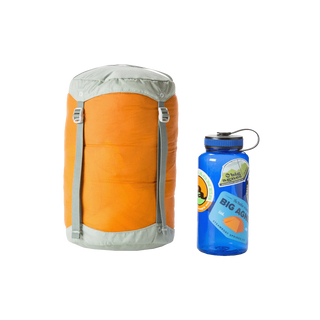
Credit: ca.bigagnes.com
Expert Recommendations
Choosing the right size stuff sack for a sleeping bag is essential for packing efficiency. A snug fit minimizes space in your backpack, while ensuring easy access and protection for your gear. Consider the bag’s material and compressibility for optimal results.
Choosing the right size stuff sack for your sleeping bag can be the difference between a comfortable, organized camping trip and a frustrating battle with your gear. Expert recommendations can provide clarity and guidance, ensuring your sleeping bag fits snugly and efficiently without unnecessary bulk. Let’s dive into some specialized advice from the pros, making your next outdoor adventure a breeze.Brand-specific Advice
Different brands often have unique sizing and design features, so it’s wise to consider their specific guidelines. For instance, brands like REI and Sea to Summit provide detailed recommendations for their sleeping bags. They typically offer a range of stuff sack sizes tailored to different models, ensuring optimal compression without damaging the insulation. Checking the brand’s website or consulting with their customer service can provide valuable insights. They often have charts or tables that match sleeping bag models with the correct stuff sack size. This can save you the hassle of trial and error, letting you focus on enjoying your trip.Adjustable Options
Adjustable stuff sacks offer flexibility and convenience for various sleeping bag sizes. These sacks come with compression straps or cords that allow you to tighten or loosen the sack as needed. This feature is particularly useful if you have multiple sleeping bags or if you plan to share gear with a camping partner. Imagine packing for a hiking trip and realizing your stuff sack can easily accommodate not just your sleeping bag but also a lightweight blanket. This adaptability can enhance your packing efficiency and reduce the number of items you carry. When choosing an adjustable stuff sack, consider the material and durability to ensure it withstands repeated use. Opt for sacks with reinforced seams and sturdy straps to prevent wear and tear during your adventures. Have you ever struggled to pack your sleeping bag, only to realize a slight adjustment could have made all the difference? Choosing the right stuff sack size with expert advice can transform your camping experience, making it more enjoyable and stress-free.Common Mistakes To Avoid
Choosing the right size stuff sack for a sleeping bag is crucial. It ensures the bag’s longevity and ease of transport. Many campers make mistakes that can lead to discomfort or damage. Understanding these errors can help you avoid them.
Overstuffing
Overstuffing is a common mistake that can harm your sleeping bag. Many believe a tighter fit saves space. This isn’t true. Cramming your sleeping bag into a tiny sack increases stress on the fabric. It can lead to tears and reduced insulation. Choose a sack with a bit of extra room. It keeps the bag safe and maintains its loft.
Ignoring Bag Shape
Ignoring the sleeping bag’s shape is another frequent error. Not all bags are the same. Some are rectangular, while others are mummy-shaped. Using a sack that doesn’t match your bag’s shape leads to inefficient packing. It can create unnecessary bulk and uneven compression. Select a stuff sack designed for your sleeping bag’s specific shape. This ensures the bag compresses evenly and fits well in your backpack.
Care And Maintenance
Selecting the right size stuff sack is crucial for your sleeping bag’s longevity. A snug fit ensures optimal space efficiency while maintaining its loft and insulation. Regularly check for wear and tear to keep your sleeping bag in top condition.
Ensuring the longevity of your sleeping bag involves proper care and maintenance. A sleeping bag’s lifespan depends on how well you clean and store it. These practices help retain its warmth and comfort, enhancing your outdoor experiences. Regular maintenance ensures the sleeping bag remains in top condition for many adventures.Cleaning Tips
Cleaning a sleeping bag extends its life and keeps it fresh. Always refer to the manufacturer’s guidelines for cleaning instructions. If machine washing is allowed, use a gentle cycle with cold water. Mild detergent is preferable to avoid damaging the insulation. Rinse thoroughly to remove all soap residues. Air drying is best to preserve the bag’s shape and material integrity. Hanging it in a dry, shaded area prevents damage from direct sunlight.Storage Solutions
Proper storage maintains a sleeping bag’s insulating properties. Avoid leaving it compressed for long periods. Use a large, breathable sack for storage. This ensures the insulation remains lofty and effective. Store the bag in a cool, dry place to prevent moisture buildup. Occasional fluffing helps maintain its shape and comfort. This simple routine ensures your sleeping bag is ready for your next adventure.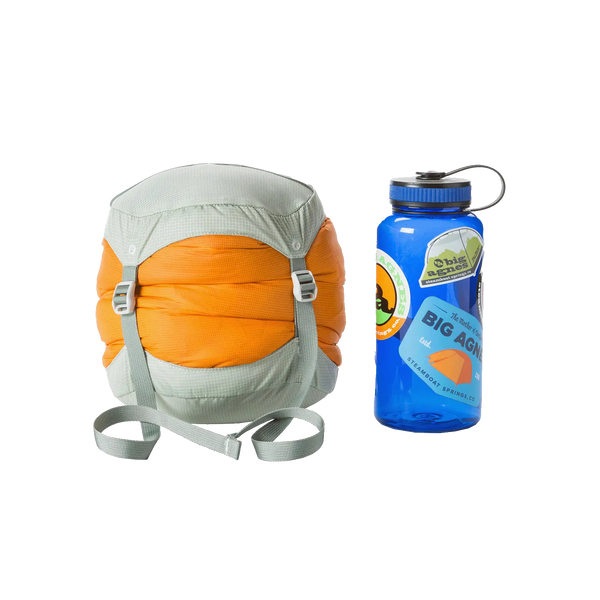
Credit: ca.bigagnes.com
Frequently Asked Questions
Should I Put My Sleeping Bag In A Stuff Sack?
Using a stuff sack for your sleeping bag saves space and keeps it dry during transport. It protects the bag from dirt and damage. Compressing it too much for long periods can harm insulation, so store it loosely when not in use.
How Big Of A Dry Bag Do I Need For A Sleeping Bag?
Choose a dry bag with at least 20 liters capacity for a standard sleeping bag. Ensure it’s waterproof for protection. Consider larger sizes for bulky sleeping bags or additional gear. Compact bags fit smaller sleeping bags perfectly. Always check dimensions for a snug fit.
Keep your sleeping bag dry and secure.
How Big Is A 20l Stuff Sack?
A 20L stuff sack measures roughly 10 inches in diameter and 20 inches in height. It’s ideal for storing clothing or gear, offering compact and efficient storage. Perfect for camping, hiking, or travel, providing organized packing solutions.
How Big Is A 3l Stuff Sack?
A 3L stuff sack typically measures around 10 inches in height and 5 inches in diameter. It’s perfect for storing small items like clothing or gear. Made from lightweight materials, it fits easily into backpacks, making it ideal for camping or hiking adventures.
Compact and efficient for travel needs.
Conclusion
Choosing the right stuff sack size matters. It protects your sleeping bag. Helps keep it compact. Saves space in your backpack. Consider the bag’s dimensions and material. Ensure it fits snugly without compressing too much. A tight fit may damage insulation.
Loose fit wastes space. Measure your sleeping bag first. Compare it with sack sizes available. This ensures a perfect fit. A well-chosen stuff sack makes your camping trip smoother. Comfort and convenience in one simple choice. Happy camping and enjoy the great outdoors!