
Have you ever slipped on a new pair of soccer cleats only to find them pinching your toes or squeezing your feet? You’re not alone.
Many players face the frustrating dilemma of whether soccer cleats run small. Understanding the fit of your cleats is crucial—not only for comfort but for peak performance on the field. Imagine sprinting towards the goal, the wind in your hair, and the thrill of the game pulsing through your veins, only to be slowed down by an ill-fitting shoe.
The right cleats can make all the difference between scoring that winning goal and hobbling off the field in discomfort. Dive into this article to uncover the truth about soccer cleat sizing and ensure your next purchase is the perfect fit. Your feet deserve it!
Understanding Soccer Cleat Sizing
Soccer cleats often run small, requiring careful size selection. Try a half size larger for better fit and comfort. Always consider foot width and brand differences when choosing your cleats.
Understanding the right soccer cleat size is crucial for comfort. A proper fit enhances performance and reduces injury risk. Soccer cleat sizing can be tricky due to various factors. Let’s dive into the details to help find the best fit.Factors Influencing Fit
Several elements affect how soccer cleats fit. Material plays a significant role. Leather cleats tend to stretch over time. Synthetic materials may not stretch much. The width of your foot also matters. Some players have wider feet than others. The shape of the cleat’s sole can also impact fit. Arched soles might not suit flat feet. Different lacing systems can adjust fit too.Differences Between Brands
Cleat sizes can vary between brands. Nike cleats might fit differently than Adidas. Some brands run smaller or larger. Nike is known for a snug fit. Adidas may offer a roomier feel. Puma might have a different sizing approach. Trying different brands helps find the right fit. Always check the sizing chart for each brand.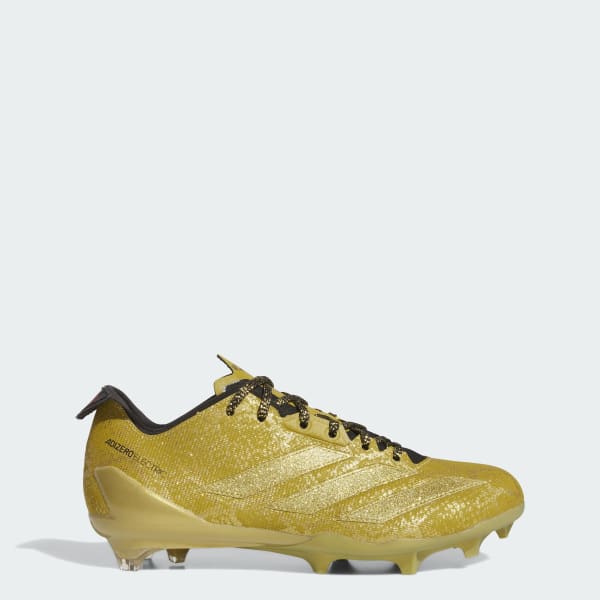
Credit: www.adidas.com
Common Fit Issues
Soccer cleats often pose challenges in finding the right fit. Players frequently encounter issues that affect comfort and performance. Understanding these common fit issues helps in choosing the perfect pair.
Tightness And Width Challenges
Many soccer cleats are designed with a snug fit. This can cause tightness, especially for players with wider feet. Narrow cleats may lead to discomfort during prolonged play. Checking width options before purchasing can minimize this issue.
Impact Of Material And Design
The material and design of cleats play a crucial role in fit. Synthetic materials might stretch less compared to leather. Some designs offer more flexibility, while others focus on durability. Knowing these differences aids in selecting the right cleats for your needs.
Sizing Variations By Brand
Soccer cleats often have sizing variations across different brands. Many players find them running smaller than expected. Trying on cleats or checking size charts helps find the right fit.
Understanding the sizing variations in soccer cleats can be a game-changer, especially when different brands have their unique fitting quirks. Soccer cleats often run small, and the challenge of finding the perfect fit can be daunting. Each brand—Nike, Adidas, and Puma—has its distinctive approach to sizing, making it crucial to know what to expect before you buy. This ensures that you get the best performance on the field without the discomfort of ill-fitting shoes. So, how do these brands stack up when it comes to sizing?Nike Cleats Fit Guide
Nike cleats are known for their snug fit, often running smaller than other brands. They are designed to offer a second-skin feel, which can be perfect for players who prefer a tight, responsive shoe. – Consider going half a size up if you have wider feet. – Nike’s Mercurial and Phantom models are particularly narrow. – Trying them on with your soccer socks can give you a better idea of the fit. You might find that Nike cleats mold to your feet over time, but initially, they can feel tight. Are you willing to endure a brief break-in period for optimal long-term comfort?Adidas Cleats Fit Guide
Adidas cleats typically offer a more true-to-size fit, making them a popular choice for players looking for comfort right out of the box. – The Predator and Copa series are known for their accommodating fit. – If you have wider feet, Adidas could be your best bet. – Always check the specific model as some might still have slight variations. Some players swear by the comfort of Adidas, especially those who dislike the break-in period. Could this be the brand that saves you from blisters and pinched toes?Puma Cleats Fit Guide
Puma cleats often strike a balance between the snug fit of Nike and the roominess of Adidas. They are generally true to size but might require a slight adjustment depending on the model. – Puma Future and Ultra lines are known for their adaptive fit. – Consider your playing style—do you need more agility or comfort? – Test different models to find your perfect fit. Puma cleats can be an excellent option if you’re unsure of where your foot width lies. Do you prioritize adaptability and versatility in your footwear? Finding the right soccer cleat fit is essential for your performance and comfort on the field. By understanding the nuances of each brand, you can make an informed decision and choose the pair that best suits your needs. Which brand will you trust with your next game?Credit: www.soccer.com
Tips For Finding The Right Fit
Finding the perfect pair of soccer cleats can feel like a quest, especially if you’re unsure about sizing. Soccer cleats often run smaller than your usual shoe size, making it crucial to find the right fit for optimal performance and comfort. Here are some practical tips to ensure you get the perfect pair every time.
Measuring Your Feet Accurately
Start by measuring your feet at home using a ruler or measuring tape. Place a piece of paper on a flat surface and stand on it with your heel against a wall. Trace the outline of your foot and measure from the heel to the longest toe. Use this measurement to compare against the size chart provided by the cleat manufacturer.
Did you know that your feet can change size slightly during the day? Measure them in the afternoon for the most accurate results. This simple trick can prevent you from purchasing cleats that feel too snug during a match.
Trying Cleats With Socks
When trying on soccer cleats, always wear the socks you plan to use during games. Soccer socks are thicker than regular socks and can affect the fit. This step ensures you won’t end up with cleats that feel tight or uncomfortable.
Consider bringing two pairs of socks with different thicknesses when shopping. This allows you to test how the cleats feel with varying sock thicknesses. Have you ever experienced discomfort in your feet during a game? It might just be due to ignoring this simple step.
With these tips, you’ll be better equipped to find soccer cleats that fit like a glove, enhancing your performance on the field. Remember, the right fit is not just about comfort—it’s about boosting your game to the next level.
When To Consider Custom Options
Choosing custom soccer cleats can be a wise decision if standard sizes feel too tight. Players often find custom options offer better comfort and fit, particularly when standard cleats run small. Personalized cleats can enhance performance by providing the right balance and support needed on the field.
Considering custom options for soccer cleats can be a game-changer, especially if you find that standard sizes don’t fit your feet quite right. If you’ve tried on multiple pairs and still feel discomfort, or if your feet have unique characteristics like being particularly wide or narrow, custom cleats might be the solution you need. They not only ensure a perfect fit but also enhance your performance on the field.Benefits Of Custom Cleats
Custom cleats offer a myriad of benefits that off-the-shelf options simply can’t match. First and foremost, they provide a tailored fit that can significantly reduce the risk of blisters and foot pain. Imagine playing a full 90-minute match without the nagging discomfort that ill-fitting shoes can cause. Moreover, custom cleats allow you to select materials that best suit your playing conditions. Whether you play on wet grass or artificial turf, you can choose a sole and upper material that enhances traction and durability. This personalized approach can boost your confidence, knowing your footwear is optimized for your specific needs.Cost Considerations
While the perks of custom cleats are undeniable, it’s essential to weigh the cost implications. Custom options are generally more expensive than standard cleats due to the bespoke nature of their production. However, consider this an investment in your comfort and performance. Think about how much you’ve spent on multiple pairs that never quite fit right. In the long run, one pair of perfectly fitted custom cleats might actually save you money. Plus, the enhanced durability of custom choices often means they last longer, further justifying the initial expense. Have you ever considered the long-term benefits over the upfront costs? It’s a question worth pondering, especially if you’re serious about improving your game.Expert Advice And Resources
Choosing the right soccer cleats can be challenging. Many players wonder if soccer cleats run small. To find the perfect fit, expert advice and resources can be helpful. This section will guide you through consulting with professionals and using online sizing tools.
Consulting With Professionals
Soccer store employees often have valuable experience. They can help determine the right cleat size. Their expertise comes from working with various brands and styles. Professional players and coaches also offer insights. They understand the importance of a good fit for performance. Local sports clubs may host events with gear specialists. Participating in these can provide firsthand advice. Always try on cleats in-store if possible. This helps in assessing comfort and fit.
Online Sizing Tools And Guides
Many websites offer sizing charts for soccer cleats. These charts compare cleat sizes to regular shoe sizes. Use these tools to find your ideal size before purchasing. Some brands have interactive sizing guides. These guides ask for foot measurements to suggest sizes. Watch video tutorials for measuring your feet at home. This ensures accuracy when using online tools. Read customer reviews on sizing accuracy. Feedback from other buyers can be valuable. Always check return policies when buying online. This allows exchanges if the fit isn’t right.
Credit: www.nike.com
Frequently Asked Questions
Should You Size Up Or Down In Soccer Cleats?
Choose soccer cleats that fit snugly without being too tight. Proper fit ensures better performance and comfort. Avoid sizing up or down drastically; aim for a half-size difference if necessary. Always try them on with soccer socks to ensure the best fit.
Is Soccer Cleat Size The Same As Shoe Size?
Soccer cleats often fit differently than regular shoes. It’s essential to try them on for the right fit. Cleat sizes can vary by brand, so checking specific sizing charts is recommended. Properly fitted cleats enhance performance and comfort on the field.
Should Soccer Cleats Be Tight At First?
Soccer cleats should fit snugly at first. A tight fit ensures better control and prevents blisters. Over time, they will stretch and mold to your feet. Make sure there’s no discomfort or pinching. Prioritize a comfortable, secure fit to enhance performance on the field.
What Is Size 9 In Soccer Cleats?
Size 9 in soccer cleats typically corresponds to a foot length of 10. 25 inches or 26 centimeters. Always check the brand’s specific size chart, as sizing can vary. Make sure to try them on for comfort and fit, as proper sizing is crucial for performance.
Conclusion
Deciding on the right soccer cleats can be tricky. Size matters. Many find cleats run small. Try them on before buying. Different brands vary in fit. Always check reviews for sizing tips. Comfort is key for performance. Don’t compromise on fit for style.
Proper fit prevents injuries and enhances play. Remember, your feet deserve the best support. Make informed choices for better game experience. Prioritize comfort, fit, and durability when shopping. Happy playing!