
Have you ever wondered if you can toss your sleeping bag into the dryer after a camping trip? You’re not alone.
Many people face this dilemma, trying to balance convenience with care for their gear. Sleeping bags are essential for a good night’s sleep outdoors, but improper drying can lead to damage or reduced insulation, leaving you cold on your next adventure.
You’ll discover whether drying your sleeping bag in a machine is a smart move or a risky gamble. We’ll unravel the mystery, giving you the confidence to make the best choice for your sleeping bag, so you can keep it fluffy, warm, and ready for your next night under the stars. Don’t miss out on these crucial tips that could save you from costly mistakes and keep your camping gear in top shape.

Credit: www.gearaid.com
Drying Sleeping Bags Safely
Drying sleeping bags in a dryer is possible, but take caution. Use a low heat setting to prevent damage. Adding clean tennis balls can help maintain the bag’s loft and ensure even drying.
Drying Sleeping Bags Safely After a long camping trip, your sleeping bag might need a good wash. But can you toss it in the dryer without a second thought? Ensuring that your sleeping bag dries safely is crucial to maintaining its quality and longevity.Material Considerations
Understanding your sleeping bag’s material is the first step. Down sleeping bags, known for their warmth and lightness, require delicate handling. They can easily clump if not dried properly. Synthetic sleeping bags are generally more forgiving. However, they can still be damaged if exposed to the wrong conditions. Always check the care label for specific drying instructions.Impact Of Heat
Heat can be a sleeping bag’s worst enemy. High temperatures might seem like a quick fix, but they can damage the insulation. Down feathers, for instance, lose their loft and warmth when exposed to excessive heat. Even synthetic bags can suffer from high heat, leading to melted fibers. Opt for low or no heat settings on your dryer to protect your sleeping bag. An extra spin cycle in the washer can help remove excess water, reducing drying time. Consider using dryer balls to keep the insulation evenly distributed as your bag dries. This simple trick can make a big difference in maintaining the bag’s shape and warmth. Are you willing to invest a little extra time in air-drying, perhaps? It could be worth it for the sake of your sleeping bag’s longevity.Alternatives To Using A Dryer
Drying sleeping bags in a dryer can damage them. Air drying is a safer alternative. Hang the sleeping bag outside or indoors on a clothesline. This method preserves the sleeping bag’s insulation and fabric quality, ensuring it stays in good condition for future use.
Alternatives to drying a sleeping bag in a dryer can be simple and effective. Using natural methods preserves the fabric and extends its lifespan. Plus, these methods save energy and reduce wear on your sleeping bag. Explore different techniques to keep your sleeping bag fresh and fluffy.Air Drying Techniques
Air drying is gentle on sleeping bags. It prevents shrinkage and maintains insulation. Start by shaking the sleeping bag to fluff it up. Lay it flat on a clean surface, such as a table or bed. Ensure that the surface is dry and free from dirt. You can also place it on a drying rack. This allows air to circulate around the bag. Flip the sleeping bag occasionally for even drying. Avoid direct sunlight to prevent damage to the fabric.Using A Laundry Line
A laundry line is a practical way to dry a sleeping bag. First, find a shady outdoor spot with a sturdy line. Secure the sleeping bag with clothespins or clips. Make sure it hangs freely without touching the ground. The breeze will help dry it naturally. Check and shake the sleeping bag regularly to maintain its shape. This method is eco-friendly and cost-effective. Plus, the fresh air leaves the sleeping bag smelling great.Common Mistakes To Avoid
Tossing sleeping bags in the dryer can damage their filling and fabric. Always check the care label first. Consider air drying to maintain their quality and longevity.
Common Mistakes to Avoid When it comes to drying sleeping bags, many people unknowingly make mistakes that could damage the fabric. Understanding these common pitfalls can save you from costly replacements and ensure your gear is ready for your next adventure. Let’s look at some key mistakes and how to avoid them.Overheating Risks
One of the biggest mistakes is setting the dryer to a high heat. Sleeping bags are often made from synthetic materials or down, which can be damaged by excessive heat. Have you ever had a favorite shirt shrink because it was too hot? The same can happen with your sleeping bag, leading to clumping or even melting. Instead, use a low heat or no heat setting. This might take longer, but it keeps your bag safe. Remember, patience can keep your gear in top shape for years to come.Tumbling Issues
Another issue is improper tumbling. Overloading the dryer or using a machine that’s too small can cause uneven drying. Imagine trying to dry a comforter in a tiny dryer — the result is often a damp, musty mess. To avoid this, give your sleeping bag plenty of space to tumble freely. If possible, add dryer balls or clean tennis balls to help fluff the bag and prevent clumping. This simple step can make a huge difference in how evenly your bag dries. By being mindful of these common mistakes, you can extend the life of your sleeping bag. Treat it well, and it will keep you warm and cozy on countless camping nights.Expert Recommendations
Drying sleeping bags in the dryer can damage their insulation. Expert advice suggests using a low-heat setting if necessary. Air drying is safer for preserving the bag’s quality and lifespan.
When it comes to caring for your sleeping bag, experts have diverse opinions. Some recommend air drying, while others say that using a dryer is fine, provided you follow specific guidelines. Understanding these recommendations can extend the life of your sleeping bag and maintain its quality for many adventures to come.Professional Cleaning Advice
Before tossing your sleeping bag into the dryer, check the manufacturer’s care label for instructions. Many sleeping bags, especially those filled with down, have specific requirements. Some experts suggest using a large capacity dryer on low heat settings to prevent damage. This helps avoid clumping and preserves the loft of the filling. If you’re unsure, consult a professional cleaner who specializes in outdoor gear. They can offer tailored advice based on the materials and construction of your sleeping bag.Maintenance Tips
After drying, consider adding a few clean tennis balls to the dryer. This can help fluff up the filling, keeping your sleeping bag cozy and warm. Regularly inspect your sleeping bag for tears or worn-out areas. Addressing these issues promptly can prevent larger problems down the road. Store your sleeping bag loosely in a breathable sack rather than compressing it tightly. This maintains the insulation’s integrity and ensures it’s ready for your next adventure. Have you ever experienced a lumpy sleeping bag after drying? Share your tips with fellow adventurers in the comments below.Understanding Sleeping Bag Care Labels
Sleeping bag care labels provide essential guidance for cleaning. Dryers can damage some sleeping bags, causing loss of insulation. Always check labels to avoid mishaps.
Understanding the care labels on your sleeping bag is crucial for maintaining its longevity and performance. These labels provide essential information on how to properly clean and dry your sleeping bag. Misinterpreting these instructions could lead to damage, affecting your bag’s warmth and durability.Deciphering Symbols
Care labels often include a variety of symbols that might seem cryptic at first glance. Understanding these symbols can save you from accidentally ruining your sleeping bag. For example, a square with a circle inside typically indicates whether you can tumble dry the item. A dot inside the circle denotes the heat level: one dot for low, two for medium, and three for high heat. Paying attention to these simple icons can help you decide whether the dryer is a safe option.Manufacturer Guidelines
Apart from symbols, manufacturers often include written guidelines that are equally important. These guidelines might suggest air drying over machine drying to preserve the fabric’s quality. Some manufacturers might recommend using a front-loading washer or dryer to prevent damage from an agitator. Reading these guidelines can also inform you about any specific products to use or avoid, like fabric softeners, which can degrade certain materials. Always consider these recommendations as they are based on extensive testing and experience. By understanding these labels, you not only extend the life of your sleeping bag but also ensure it remains a reliable companion on your adventures. Are you willing to risk damaging your gear by ignoring these simple yet vital instructions?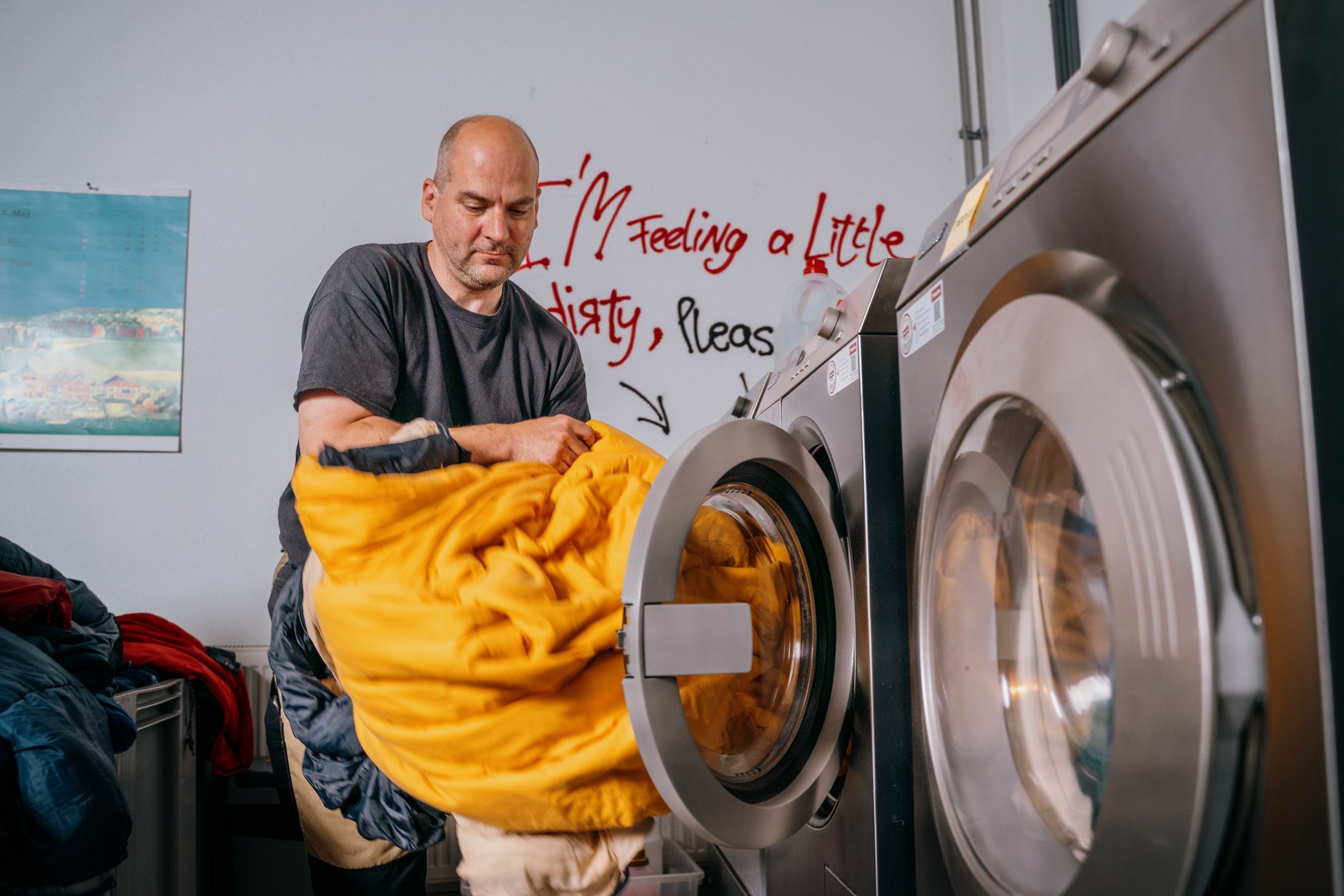
Credit: sheltersuit.com
Credit: cascadedesigns.com
Frequently Asked Questions
Can You Put Sleep Sacks In The Dryer?
Yes, most sleep sacks can go in the dryer on a low heat setting. Always check the care label first. Using a gentle cycle can prevent damage. Avoid high heat to preserve the fabric and fit.
How To Dry A Sleeping Bag Fast?
To dry a sleeping bag quickly, hang it in a well-ventilated area. Use a fan for increased airflow. Turn the bag occasionally for even drying. Avoid direct sunlight to prevent material damage. Consider using a dryer on low heat with tennis balls for fluffiness.
Can A Sleeping Bag Go In A Tumble Dryer?
Yes, most sleeping bags can go in a tumble dryer on a low heat setting. Check the care label for specific instructions. Use dryer balls to help fluff the insulation and ensure even drying. Avoid high heat to prevent damage to the fabric and insulation.
How Long Does A Down Sleeping Bag Take To Dry?
A down sleeping bag typically takes 24 to 48 hours to dry completely. Use a low-heat dryer setting for faster results. Ensure it’s fully dry to prevent mildew. Drying time may vary based on humidity and dryer efficiency. Regularly check and fluff to maintain insulation quality.
Conclusion
Drying sleeping bags in a dryer can be tricky. Always check the label first. Some materials can’t handle dryer heat. Others might get damaged. Air drying is often safer. It prevents shrinking and damage. Using a dryer? Choose low heat settings.
This protects delicate fabric. Regular care extends the sleeping bag’s life. Clean and store properly. Keeps it fresh for next use. Remember these tips. Protect your gear. Enjoy cozy nights outdoors. Happy camping!