
Imagine you’re standing by a serene lake, casting your line into the shimmering water. You feel a tug and excitement rushes through you.
But have you ever paused to wonder what that fish feels when it’s hooked? This intriguing question taps into the heart of ethical fishing and animal welfare. As you dive deeper into this article, you’ll uncover surprising insights that may change the way you think about fish and fishing forever.
Are fish truly capable of feeling pain, or is it just a reflex? Understanding these answers could transform your perspective and actions. Read on to explore the fascinating world beneath the surface and discover the truth behind what fish experience when caught.
Fish Anatomy And Nervous System
Understanding if fish feel pain requires exploring their anatomy and nervous system. Fish anatomy differs from mammals, especially in their nervous systems. This section dives into the structure of fish nervous systems and compares them with mammals.
Structure Of Fish Nervous System
Fish have a central nervous system composed of a brain and spinal cord. Their brains are simpler than those of mammals. The brain processes signals but lacks complex structures. Nerves extend from the spinal cord to different parts of the fish’s body. These nerves detect changes in the environment. Sensory organs like eyes and lateral lines help fish navigate. The lateral line senses vibrations and movement in water.
Comparison With Mammals
Mammals have a more developed nervous system. Their brains are larger and complex. Mammals experience pain differently due to advanced brain structures. The cerebral cortex in mammals processes emotions and sensations. Fish lack a cerebral cortex, affecting their pain perception. This difference raises questions about fish pain experiences. Scientists study fish responses to understand their pain perception better. Understanding differences helps us care for aquatic life responsibly.
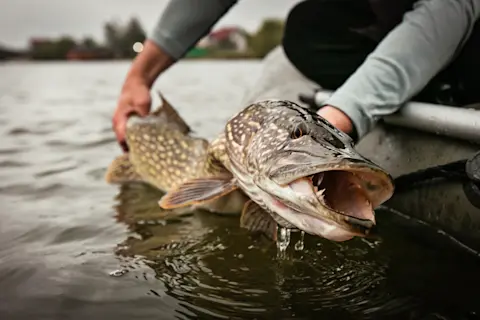
Credit: www.discovermagazine.com
Scientific Studies On Fish Pain
Have you ever wondered if fish feel pain when hooked during fishing? This question has sparked debates among scientists, anglers, and animal rights activists alike. To shed light on this topic, numerous scientific studies have been conducted to understand the pain perception in fish. These studies employ various research methods to explore the intricacies of fish biology and behavior.
Research Methods
Scientists use diverse research methods to study fish pain. Some common approaches include:
- Behavioral observation: Monitoring changes in fish behavior when exposed to potential pain stimuli.
- Neurological studies: Examining the fish’s nervous system to identify pain receptors.
- Pharmacological tests: Using pain-relieving drugs to assess their effects on fish behavior.
Each method provides unique insights, yet they all aim to answer one crucial question: Can fish experience pain like humans and other animals?
Findings And Interpretations
The findings from scientific studies on fish pain have been varied. Some research suggests that fish do have the capacity to feel pain due to the presence of nociceptors, which are pain receptors found in their nervous system. Observations of behavioral changes, such as rubbing the injured area, support this notion.
Conversely, other studies argue that fish lack the complex brain structures associated with emotional responses to pain. This perspective questions whether fish can actually suffer or merely react instinctively to harmful stimuli.
So, what do these findings mean for you? Should this influence your fishing practices? Engage with this question and consider how scientific insights might align with your values and actions. Remember, your understanding can contribute to a more informed and ethical approach to fishing.
Debate Among Scientists
The question of whether fish feel pain when hooked has sparked intense debate among scientists. This discussion is crucial for understanding animal welfare and ethical fishing practices. While some researchers argue that fish experience pain, others believe their response is purely reflexive. The debate hinges on differing interpretations of fish biology and behavior.
Arguments For Fish Pain
Some scientists assert that fish feel pain due to their complex nervous systems. They argue that fish display behaviors similar to other animals in distress. Research shows that fish respond to harmful stimuli and exhibit avoidance behavior. This suggests a capacity for pain perception.
Fish possess nociceptors, which are receptors sensitive to painful stimuli. These receptors send signals to the brain. Advocates for fish pain argue that this process is similar to pain perception in mammals. Behavioral changes like rubbing and increased respiration support this theory.
Counterarguments Against Fish Pain
Other scientists believe fish do not experience pain as mammals do. They argue fish brains lack the areas responsible for conscious pain perception. Fish reactions may be automatic rather than an emotional experience. This view suggests fish responses are instinctual and not indicative of suffering.
Some research indicates that fish lack the capacity for self-awareness. This supports the idea that fish respond reflexively to threats. Skeptics of fish pain argue that their behavior is merely survival-driven. They claim fish do not possess the necessary brain structures for pain awareness.
Ethical Implications
Understanding whether fish feel pain has ethical implications. The debate influences how we view fishing. It questions the morality of our actions. Many people wonder if catching fish is humane. This topic touches on animal rights and human responsibilities. Ethical considerations are essential for sustainable practices.
Animal Welfare Considerations
Animal welfare is a growing concern worldwide. People care more about how animals are treated. Scientists study fish behavior to understand pain. Fish show stress responses when hooked. This suggests they may feel pain. Many argue for more humane fishing methods. Protecting fish welfare could lead to better practices.
Impact On Fishing Practices
Fishing practices may change due to ethical concerns. Anglers might adopt more humane techniques. Catch and release becomes more popular. This method aims to reduce harm to fish. Ethical fishing practices can also support conservation. Balancing human needs with fish welfare is crucial. Sustainable fishing ensures future resources.
Public Perception Of Fish Pain
The question of whether fish feel pain sparks much debate. Public views vary greatly. Some people believe fish feel pain like mammals. Others think their experience is different. This perception often influences fishing practices and regulations. Understanding these views is key to addressing ethical concerns.
Influence Of Media
Media plays a big role in shaping opinions. Documentaries and articles often highlight fish welfare. They show fish reacting to painful stimuli. This coverage can lead people to believe fish feel pain. On the other hand, some media portray fish as less sensitive. This creates mixed perceptions among the public.
Cultural Perspectives
Cultural beliefs impact how people view fish pain. In some cultures, fish are seen as sentient beings. They are treated with respect and care. In others, fish are viewed as less capable of feeling. These differences affect fishing traditions and practices. Understanding cultural views helps in addressing global fish welfare issues.
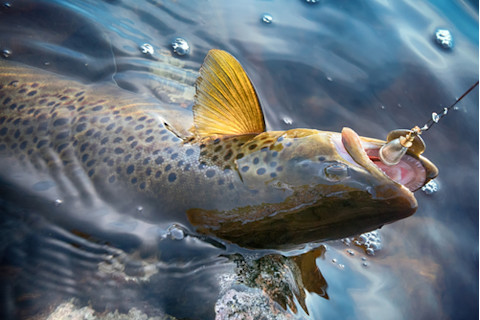
Credit: www.discovermagazine.com
Future Research Directions
Exploring if fish experience pain when hooked is vital for ethical fishing practices. Future research may focus on fish behavior and physiological responses. Understanding these aspects could improve humane treatment in fisheries and aquaculture.
Future research on whether fish feel pain holds great promise. Scientists aim to use new tools and insights to better understand fish experiences. They hope to provide clearer answers on this important topic.Emerging Technologies
Recent advancements in technology offer new research opportunities. Brain imaging techniques, for example, allow us to study fish brain activity. This helps scientists observe how fish react to pain. These tools can detect subtle changes in brain patterns. Wearable sensors are another promising technology. These devices can monitor fish behavior in real-time. They provide data on stress levels and physical reactions. This data helps in understanding how fish respond to being hooked.Potential Breakthroughs
Future studies may uncover new insights into fish pain perception. Understanding fish neural pathways is one area of focus. Identifying specific pain receptors in fish brains is crucial. This could lead to better fishing practices and humane treatment. There is also interest in genetic research. Scientists explore the genetic basis of pain perception in fish. They compare it with other animals to find similarities. This research could explain why fish may or may not feel pain. Research on fish pain continues to evolve. These future directions offer hope for more humane fishing practices.
Credit: m.youtube.com
Frequently Asked Questions
Does It Hurt A Fish To Get Hooked?
Hooking a fish can cause pain and stress. Fish have nerve endings in their mouths. Catch-and-release practices minimize harm. Using barbless hooks and handling fish gently reduces injury risk. Always prioritize the fish’s well-being to ensure its survival after release.
Does Taking A Hook Out Of A Fish Hurt It?
Removing a hook can cause pain and injury to fish. Handle fish gently and use barbless hooks to minimize harm. Release fish quickly to reduce stress and potential damage. Proper techniques can help ensure fish survival after catch and release.
Always prioritize humane fishing practices for the well-being of fish.
Do Fish Feel Pain While Being Hooked?
Fish experience stress and discomfort when hooked. Their nervous systems respond to harmful stimuli, indicating they feel pain. Scientific research supports this view, though some debate exists. Ethical fishing practices can help minimize their suffering.
Do Fish Get Scared When Hooked?
Fish can feel stress when hooked. The sudden pull and resistance often cause a fear response. They experience physical discomfort and instinctively struggle to escape. Understanding fish behavior helps in practicing more humane fishing techniques.
Conclusion
Fish feeling pain is a topic of debate. Science offers mixed answers. Some researchers say fish sense discomfort. Others argue fish lack complex emotions. Each viewpoint has its reasons. What does this mean for anglers? Consider fish welfare while fishing.
Stay informed. Respect marine life. Ethical fishing practices matter. Choose methods that minimize harm. Remember, our actions impact the environment. Fish are part of a delicate ecosystem. Let’s ensure we treat them responsibly. The conversation continues. Science and ethics will guide future fishing practices.
Respect the ocean and its inhabitants.