
Are you tired of sore feet and blisters every time you wear your new soccer cleats? You’re not alone. Many players struggle with the discomfort of stiff shoes, which can distract you from the game you love. Learning how to break in soccer cleats properly can transform your playing experience, giving you the comfort and confidence you need to perform at your best.
Imagine stepping onto the field with cleats that feel like a natural extension of your feet, allowing you to focus on scoring goals instead of dealing with pain. In this guide, we’ll unveil expert tips to ensure your cleats fit like a glove and enhance your game.
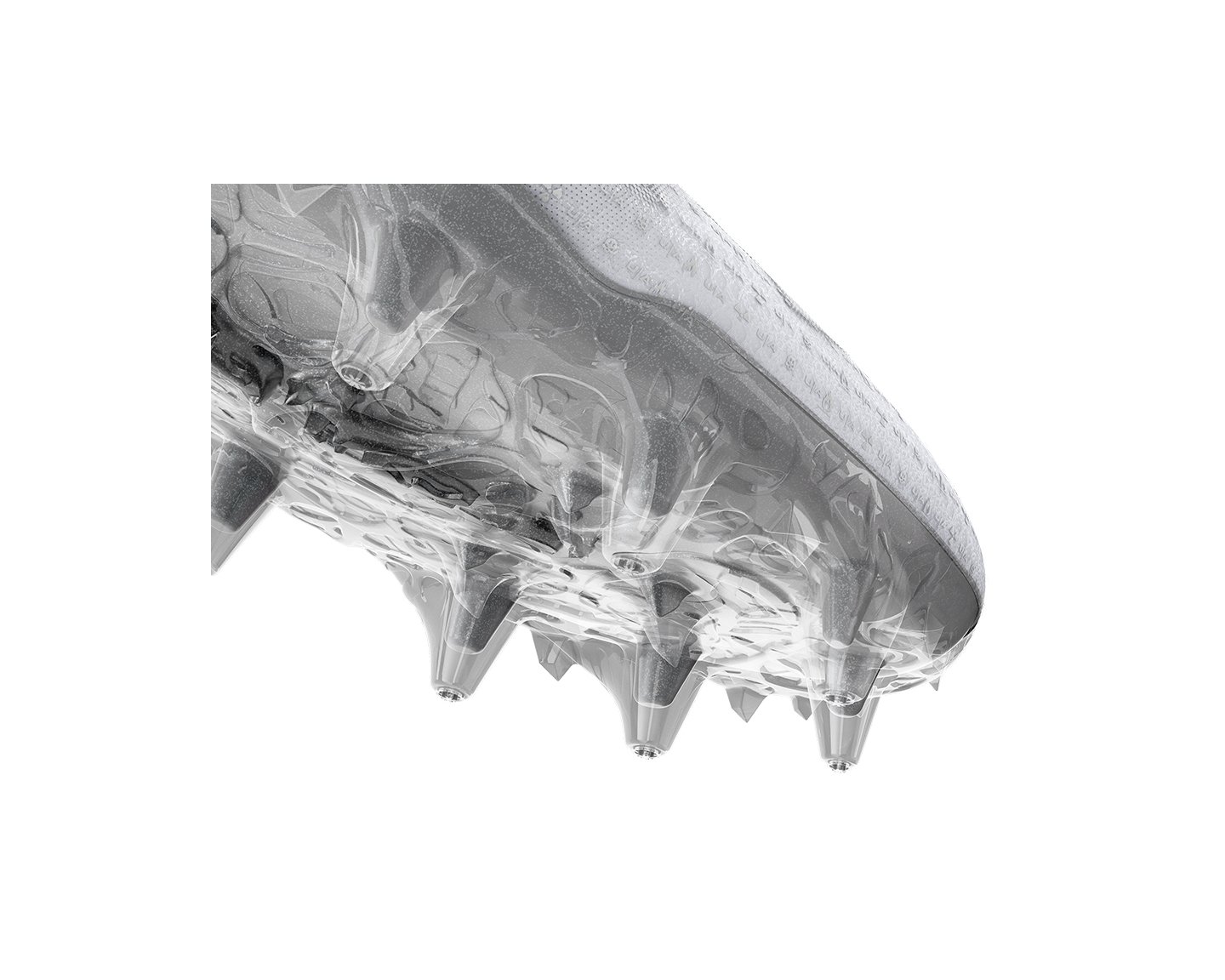
Credit: www.underarmour.com
Choosing The Right Soccer Cleats
Choosing the right soccer cleats is crucial for both performance and comfort on the field. A perfect pair can make all the difference in your game, while a poor choice could lead to discomfort and even injury. With so many options available, it’s important to consider several factors before making a decision.
Material Considerations
The material of your soccer cleats can greatly impact their performance and durability. Leather cleats offer a soft and comfortable fit, molding to your foot over time, making them a popular choice for many players. However, they might require more maintenance to keep them in good condition.
On the other hand, synthetic materials are often lighter and offer better water resistance, which can be advantageous in wet conditions. They usually come in a variety of designs and colors, allowing you to express your style. Think about what matters most to you—comfort, durability, or style—and choose accordingly.
Fit And Comfort
Comfort is paramount when selecting soccer cleats. A snug fit ensures better control and stability on the field. Consider trying on cleats at the end of the day when your feet are slightly swollen to get a true sense of fit.
Pay attention to the width of the shoe and ensure there’s enough room for your toes to move freely. A shoe that’s too tight can lead to blisters and discomfort, which you definitely want to avoid during a match. Remember, if they feel uncomfortable in the store, they’ll feel even worse on the field. According to FIFA official regulations, this is important for athletes.
Type Of Cleats For Different Surfaces
Not all cleats are designed for every surface, so it’s essential to choose the right type for your playing field. Firm ground (FG) cleats are versatile and work well on natural grass fields that are dry or slightly wet. For artificial turf, look for turf (TF) cleats, and for soft or muddy fields, consider soft ground (SG) cleats. Choosing the right type can enhance your performance and reduce the risk of injury.
How to Break in Soccer Cleats: Expert Tips
Breaking in soccer cleats is essential to avoid discomfort during play. Here are some expert tips to help you break in your new soccer shoes effectively:
- Wear Them Around the House: Start by wearing your new cleats at home for short periods. This helps them mold to your feet without the pressure of a game.
- Use Thick Socks: Wearing thicker socks can help stretch the material and provide extra cushioning while breaking them in.
- Gradual Increase: Gradually increase the time you wear your cleats during practice sessions. Start with light drills before moving to full training.
- Heat Method: Use a hairdryer on a low setting to warm the areas of the cleats that feel tight. Once warm, wear them to help them stretch.
- Professional Stretching: Consider taking your cleats to a professional cobbler for stretching if they remain uncomfortably tight.
Frequently Asked Questions
Q: How do you break in soccer cleats?
To break in soccer cleats, wear them around the house, use thick socks, and gradually increase wear time during practice. Consider using heat to stretch tight areas.
Q: What is the best way to soften soccer cleats?
The best way to soften soccer cleats is to wear them with thick socks, use a hairdryer to warm tight areas, or apply leather conditioner if they are made of leather. For authoritative guidance, Mayo Clinic fitness guide provides detailed insights.
Q: How long should you wear new soccer cleats?
Start by wearing new soccer cleats for short periods, gradually increasing wear time to a few hours over several days to help them break in comfortably.
Q: Can you break in soccer cleats in the dryer?
It’s not recommended to break in soccer cleats in the dryer, as high heat can damage the materials. Instead, use a hairdryer on a low setting to warm them while wearing.
Q: What to do if soccer cleats are too tight?
If your soccer cleats are too tight, try wearing them with thicker socks, use a shoe stretcher, or take them to a professional for stretching to ensure a better fit.
Q: How long does it take to break in soccer cleats?
Breaking in soccer cleats can take anywhere from a few days to a couple of weeks, depending on the material and how often you wear them.
Q: Can I use a shoe stretcher for soccer cleats?
Yes, a shoe stretcher can be effective for loosening tight areas of soccer cleats. Make sure to use it according to the manufacturer’s instructions for best results.
Q: Are there any products to help break in soccer cleats?
Yes, there are products like leather conditioners and stretching sprays that can help soften and break in soccer cleats more easily.
In summary, breaking in soccer cleats is a crucial step for any player looking to enhance their comfort and performance on the field. By following these expert tips and understanding the importance of choosing the right cleats, you can ensure a smoother transition into your new footwear. For more information on selecting the best cleats for your needs, check out our guides on firm ground soccer cleats, wide feet soccer cleats, and top-rated soccer cleats. Happy playing!