
Imagine you’re out by the water, the sun warming your back, and the promise of a catch just within reach. But there’s one thing missing: a reliable fish net.
Whether you’re a seasoned angler or someone looking to delve into a new hobby, crafting your own fish net can be both rewarding and practical. You might think it’s complex, but it’s simpler than you imagine. This guide will walk you through the steps, ensuring you have everything you need to create a net that’s perfect for your fishing adventures.
With easy-to-follow instructions and tips that tap into your DIY spirit, you’ll not only save money but also gain a skill that feels satisfying every time you pull in a catch. Ready to dive in and discover how you can make your very own fish net? Let’s get started!
Materials Needed
Creating a fish net requires specific materials to ensure durability and effectiveness. The right materials make the net strong and capable of catching fish efficiently. In this section, we’ll explore the types of netting material and tools essential for weaving a fish net.
Types Of Netting Material
Choosing the right netting material is crucial. Different materials offer varying levels of strength and flexibility.
- Nylon:Durable and resistant to wear. It’s a popular choice.
- Polyester:Offers good resistance to UV rays. Ideal for outdoor use.
- Cotton:A natural option. Suitable for smaller nets.
- Polypropylene:Lightweight and floats. Useful for specific fishing needs.
Tools For Weaving
Gathering the right tools is essential for weaving a fish net. These tools help in creating a neat and functional net.
- Needle:Used for threading the netting material.
- Shuttle:Holds the thread and aids in weaving.
- Measuring Tape:Ensures accurate dimensions of the net.
- Scissors:For cutting the netting material to size.
- Thimbles:Protect your fingers during weaving.
With these materials and tools, you’re ready to start weaving your own fish net.

Credit: www.instagram.com
Preparing The Workspace
Creating a fish net requires a well-prepared workspace. A tidy, organized space boosts efficiency and ensures safety. Preparing your workspace is essential for a smooth process.
Choosing A Suitable Location
Start by picking a spacious area. Your workspace should have enough room for movements. Avoid cluttered or cramped spaces. Good lighting is necessary for detailed work. Natural light is preferred, but bright lamps will do. The location should be quiet for concentration. A quiet environment helps you focus better.
Organizing Your Tools
Gather all necessary tools before beginning. Arrange them neatly for easy access. Common tools include scissors, twine, and a needle. Use a checklist to ensure nothing is missing. Keep tools within reach to avoid interruptions. Store them in containers to maintain order. This prevents losing small items.
Regularly check tools for wear and tear. Replace damaged items promptly. Proper tool care leads to smoother work. A well-organized workspace saves time and reduces stress.
Basic Weaving Techniques
Creating a fish net involves simple weaving techniques. Start with knotting a series of loops, forming rows. Continue weaving until the net reaches the desired size.
Creating a fish net might seem like a daunting task, but understanding basic weaving techniques can make it a rewarding experience. Whether you’re looking to catch fish or simply want to craft something with your hands, mastering these techniques is essential. Let’s dive into the core elements of fish net weaving.Knot Types
The foundation of any fish net is the knots you use. Simple knots like the square knot or the overhand knot are crucial. They provide the strength and durability needed for a net that can withstand pressure. Consider the lark’s head knot, known for its reliability. It’s a favorite among fishers because of its ease of tying and untying. Imagine being out on the water, needing to adjust your net quickly; mastering these knots will make your life much easier.Mesh Size And Shape
Choosing the right mesh size and shape depends on the type of fish you’re targeting. Smaller mesh sizes are ideal for catching smaller fish, while larger meshes are better for bigger catches. Think about what you’re aiming to catch before starting your weave. Shapes can also vary; square and diamond shapes are common. A diamond mesh stretches more, which can be advantageous in certain situations. Have you thought about how the shape might affect your catch rate? Experiment with different sizes and shapes to find what works best for you. You might discover that a particular combination yields a better catch. By focusing on these basic weaving techniques, you can create a functional fish net tailored to your needs. Take the time to practice, and soon enough, weaving will become second nature.Constructing The Net Frame
Constructing the net frame is a crucial step in making a fish net. A sturdy frame provides support, ensuring the net holds its shape and functions effectively. This section will guide you through designing and assembling the net frame.
Designing The Frame
Start with choosing the right materials. Wood and metal are popular choices. Consider the size of the fish net you need. Larger nets require a more robust frame. Sketch a design that balances durability and ease of use. Ensure the dimensions fit your fishing requirements. You might want a portable frame. Lightweight designs are ideal for travel.
Next, focus on the shape. Rectangular frames are standard but may not suit every need. Experiment with different shapes for specific fishing environments. A circular frame can be more adaptable in certain waters. Visualize how the net will drape over the frame.
Assembling The Frame
Gather your tools and materials. You’ll need saws, drills, and fasteners. Measure twice, cut once. Precision is key in ensuring the parts fit together. Assemble the pieces according to your design. Check the stability after each step. Secure joints with screws or bolts for extra strength.
Align the corners carefully. This maintains the shape and prevents wobbling. Test the assembled frame for durability. Make adjustments where necessary. Reinforce weak spots to prolong the frame’s life. Ensure it can withstand the weight of a loaded net.
Attaching Net To Frame
Attaching a net to a frame is a vital step in making a fish net. A secure attachment ensures durability and effectiveness. It’s crucial for your net to perform well. Follow these steps to attach the net properly.
Securing The Edges
Start by securing the net’s edges to the frame. Use strong twine or cord. Tie the net at each corner of the frame. Make sure the knots are tight. This prevents the net from slipping. Continue along the edge, tying at regular intervals. Keep the spacing even for a uniform look.
Ensuring Even Tension
Ensuring even tension is key for a functional fish net. Tighten the net uniformly across the frame. Check for any loose or sagging areas. Adjust as necessary to maintain a firm surface. Proper tension helps the net catch fish effectively. It also prolongs the life of the net.
Credit: michael-langerman.medium.com
Testing The Fish Net
Testing a fish net ensures its effectiveness in catching fish. Check for any holes or weak spots. Secure knots and seams tightly. Make sure the netting is even and without snags. A well-made net helps in a successful fishing experience.
Testing your fish net is crucial to ensure it performs well. This step involves checking its strength and durability. Without thorough testing, your net might fail at the most critical time. Begin with a series of simple checks.Checking For Strength
Start by examining the knots and connections. Tug gently on the net to see if any knots slip. A strong net will hold firm under pressure. Look for any weak spots or frayed areas. These can compromise the net’s integrity. Repair or reinforce any areas that seem weak. Next, conduct a weight test. Attach a small weight to the net and lift it slowly. Observe how the net handles the weight. If it holds without stretching or breaking, it’s a good sign. Repeat this test with gradually heavier weights. This simulates the weight of a catch. A strong net will maintain its form and function.Adjusting For Durability
Examine the material for any signs of wear. Durable nets resist abrasion and wear over time. Use your hands to feel the texture of the netting. It should be smooth and consistent. Rough or uneven sections might need attention. Consider the environmental conditions your net will face. Saltwater, for instance, can weaken fibers. Rinse your net with fresh water after each use. This simple step extends its lifespan. Ensure the net dries thoroughly before storage. Moisture can lead to mold and rot. Hang it in a well-ventilated area away from direct sunlight. Proper care enhances durability and performance. Regularly inspect and test your net to keep it reliable. A well-maintained fish net lasts longer and works better.Maintenance And Repairs
Creating a fish net involves understanding the basic weaving techniques. Start by gathering durable materials like nylon or cotton twine. Weaving the net properly ensures strength and effectiveness, allowing for successful fishing trips.
Maintaining and repairing your fish net ensures its long-lasting use. Regular checks help catch issues early, saving time and resources. With proper care, your net remains strong and functional. Dive into these maintenance tips to keep your fish net in top shape.Identifying Wear And Tear
Check your net regularly for signs of damage. Look for frayed edges, broken knots, or holes. These indicate wear and need attention. Examine the net after each use. Sunlight can weaken the material, so check for color fading. Pay attention to areas with heavy use. They wear out faster.Repair Techniques
Fix small holes with simple knots. Use a needle and durable thread. Knot around the hole to close it. For larger tears, patch with a new piece of netting. Cut a patch slightly larger than the tear. Sew it onto the net with strong thread. Replace broken knots by retying with a similar knot. Keep spare materials handy for quick repairs. Regular maintenance keeps your net ready for action.
Credit: grimworkshop.com
Tips For Beginners
Creating a fish net begins with choosing strong, lightweight material like nylon. Knotting techniques are crucial; practice the square knot for durability. Opt for a simple mesh pattern to ensure ease and efficiency in capturing fish.
Embarking on the journey of making your own fish net can be both exciting and rewarding. For beginners, it’s essential to understand a few key tips that can make the process smoother and more enjoyable. Whether you’re crafting a net for leisure fishing or adding to your DIY skills, these insights will help you avoid pitfalls and enhance your experience.Common Mistakes To Avoid
Crafting a fish net might seem straightforward, but there are common errors that can derail your progress. – Skipping Measurements: Always measure twice before starting. An incorrect size can lead to a net that’s either too loose or too tight, rendering it ineffective. – Using the Wrong Materials: Beginners often choose materials based on availability rather than suitability. Make sure to select a durable and water-resistant cord or twine. – Neglecting Knot Techniques: Not all knots are created equal. Practice the right knotting techniques to ensure your net holds firm under pressure. Reflecting on my first attempt, I realized how skipping proper measurements led to a net that was more decorative than functional. Have you double-checked your materials and techniques?Additional Resources
To refine your skills and expand your knowledge, several resources are invaluable. – Online Tutorials: Websites like YouTube offer a plethora of step-by-step video guides. They cater to various skill levels and provide visual clarity. – Books and Manuals: Consider books dedicated to knotting and net-making. They often include detailed illustrations and expert tips. – Community Workshops: Joining a local crafting or fishing group can offer hands-on experience and personalized guidance. As you explore these resources, remember that practice is key. Which resource will you explore first to enhance your net-making skills?Frequently Asked Questions
How To Make A Fishing Net For Decoration?
To make a decorative fishing net, use natural rope or twine. Knot at intervals to create a grid pattern. Secure knots tightly to maintain shape. Hang the net on a wall, adding shells or starfish for embellishment. Adjust size and shape to fit your space.
What Is The Best Material For A Fishing Net?
Nylon is the best material for fishing nets due to its durability and flexibility. It resists abrasion, lasts longer, and is lightweight. Nylon nets are effective in various water conditions, making them ideal for both commercial and recreational fishing. Its strength ensures reliable performance over time.
How To Net Fish For Beginners?
Start by choosing a suitable net for the fish you target. Practice throwing the net smoothly. Ensure the net sinks evenly by using weights. Retrieve the net gently to avoid losing fish. Remember to check local fishing regulations before starting.
How To Make An Aquarium Fish Net At Home?
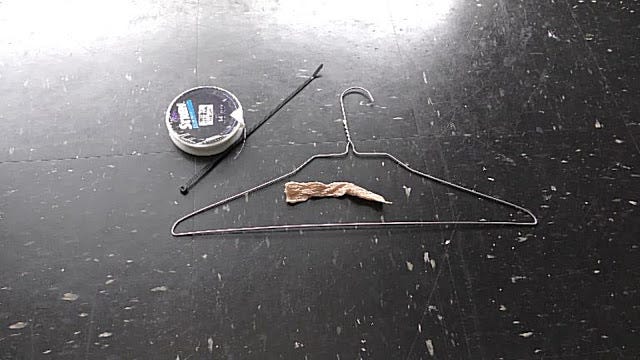
Create a fish net using a wire coat hanger and nylon mesh. Bend the hanger into a hoop, attach the mesh securely, and wrap the handle with electrical tape for grip. Ensure the mesh is tightly secured to catch fish effectively.
Conclusion
Crafting your own fish net can be rewarding. It saves money and fits your needs. You now know the steps to make one. Gather your materials and tools. Follow the simple instructions. Practice makes perfect. Your skills will improve over time.
Enjoy your time fishing with the net you made. Share the joy with friends. Making a fish net is practical and fun. Celebrate your creativity and effort. Happy fishing!