
Imagine gliding across the water, the sun warming your back, and every muscle in your body engaged. Sounds like a perfect day, right?
But here’s the catch: is paddleboarding just a relaxing escape, or can it actually be your next favorite workout? If you’ve ever wondered whether balancing on a paddleboard can replace your gym sessions, you’re in the right place. This article will dive deep into how paddleboarding can not only boost your fitness but also transform your entire approach to exercise.
Ready to discover the surprising benefits hiding beneath those waves? Let’s explore how this thrilling activity could become your ultimate fitness companion.

Credit: www.instagram.com
Paddleboarding Basics
Paddleboarding isn’t just a leisurely activity; it’s an invigorating workout that challenges your balance, strength, and endurance. As you glide across the water, you’re engaging muscles you didn’t even know existed. Whether you’re a beginner or a seasoned pro, understanding the basics can elevate your paddleboarding experience from a fun pastime to a robust fitness routine.
Equipment Essentials
Before you hit the water, ensure you have the right gear. The paddleboard is your most crucial piece of equipment. Choose a board that suits your weight and skill level, with beginners often opting for wider boards for stability.
- Paddle:A paddle that’s the correct length—about 8 to 10 inches taller than you—will enhance your control and efficiency.
- Life Jacket:Safety should never be compromised, so wear a life jacket to keep you buoyant and secure.
- Leash:A leash keeps your board close if you fall off, making it easier to get back on and preventing it from drifting away.
Getting Started
Starting out on a paddleboard can be a bit daunting, but with a few tips, you’ll be gliding like a pro in no time. Begin on calm waters to get comfortable with your balance and paddling technique.
- Stand with your feet shoulder-width apart to maintain stability.
- Keep your knees slightly bent to absorb any waves or movement.
- Use your core to paddle, not just your arms, for a full-body workout.
Experiment with different strokes and speeds. Try paddling against the wind to increase the intensity of your workout. You’ll find that each session not only builds your fitness but also deepens your connection with nature.
Isn’t it fascinating how a simple board and paddle can transform a day at the beach into a heart-pumping workout? Are you ready to step up your fitness game with paddleboarding?
Full-body Workout
Paddleboarding provides a great full-body workout. Balancing on the board strengthens core muscles while paddling engages arms and shoulders. It also improves leg strength as you stabilize on the water.
Paddleboarding is not just about gliding over water. It’s a full-body workout that combines balance, strength, and endurance. Every muscle group gets a chance to work. Whether standing or paddling, your body engages in a comprehensive exercise routine.Core Engagement
The core plays a vital role in paddleboarding. Balancing on the board requires constant engagement of the abdominal muscles. As you paddle, your obliques twist and turn, strengthening the sides of your torso. This activity stabilizes your body, helping improve posture and balance.Upper Body Strength
Paddleboarding enhances upper body strength. Each stroke of the paddle works the arms, shoulders, and back. The repetitive motion builds muscle endurance over time. Strong arms help maintain a steady rhythm, ensuring efficient movement through the water.Lower Body Benefits
Your legs don’t stay idle in paddleboarding. The lower body supports balance and stability. Feet grip the board, activating calf muscles. Thighs and glutes maintain your stance, preventing falls. This exercise tones and strengthens the lower body, enhancing overall fitness.Cardiovascular Health
Paddleboarding offers more than just fun on the water. It significantly boosts cardiovascular health. This low-impact activity gets your heart pumping. Engage your whole body while enjoying nature.
Increasing Heart Rate
Paddleboarding raises your heart rate effectively. Each stroke engages multiple muscles. Your body works harder against water resistance. This increases cardiovascular activity. It strengthens your heart over time. You burn calories, promoting weight loss.
Endurance Building
Consistent paddleboarding enhances endurance. Longer sessions improve stamina. Your heart adapts to sustained activity. This boosts overall cardiovascular fitness. You can paddle longer with ease. Over time, you build a stronger heart.
Balance And Coordination
Paddleboarding is more than just a fun activity; it’s a full-body workout that requires balance and coordination. Picture yourself standing on a board, with waves gently rocking beneath you. Your body instinctively adjusts, engaging muscles you might not even realize you have. This dynamic environment constantly challenges your stability and coordination, making paddleboarding a unique exercise. Let’s dive into how it improves these essential skills.
Improving Stability
Every time you step onto a paddleboard, you’re entering a natural balancing act. The constant motion of the water beneath you forces your body to adapt and stabilize. This means your core muscles are continuously engaged, working overtime to keep you upright.
Think about the last time you stood on one foot. Now, imagine doing that on a moving platform. That’s what paddleboarding feels like. The more you practice, the more adept you become at maintaining stability, which can translate to better balance in everyday life.
Have you ever noticed how easily children adapt to balance challenges? Adults can regain some of this natural agility through paddleboarding, enhancing overall fitness and body awareness.
Enhancing Coordination
Paddleboarding isn’t just about standing still; it involves coordinating your body’s movements. As you paddle, your arms, shoulders, and back work in harmony with your lower body. This synchronized movement boosts your coordination skills.
Imagine the precision needed to smoothly transition from a standing position to kneeling or sitting on the board. Such actions require a high level of coordination, much like the coordination needed in sports or dance.
Consider using paddleboarding as a fun way to improve your coordination. You’ll find that these skills can improve your performance in other physical activities, whether it’s playing a sport or simply dancing at a party.
Mental Health Boost
Paddleboarding is not just a physical workout. It offers a mental health boost too. It engages both the body and the mind. As you glide across water, your mind finds peace. The rhythm of paddling calms the chaos within. Let’s explore how paddleboarding enhances mental well-being.
Stress Relief
Paddleboarding is an excellent stress reliever. The gentle motion of the board eases tension. Being surrounded by water soothes the mind. The natural setting helps lower stress levels. Breathing deeply while paddling releases pent-up stress. This outdoor activity invites relaxation.
Mindfulness And Focus
Paddleboarding fosters mindfulness. It requires full attention to balance and movement. This focus shifts attention from worries to the present. The repetitive stroke of the paddle creates a meditative state. Mindfulness on the board enhances mental clarity. Over time, this practice improves concentration off the water too.
Credit: www.miamiherald.com
Comparing Paddleboarding To Other Workouts
Paddleboarding offers a refreshing twist on fitness routines. Unlike traditional workouts, it combines physical exertion with the tranquility of nature. Standing on a paddleboard, you engage muscles in a unique way. This aquatic activity is both challenging and peaceful. Let’s explore how paddleboarding compares to other workouts.
Benefits Over Traditional Exercises
Paddleboarding engages your core more than sit-ups. Balancing on water requires constant core adjustments. This strengthens muscles without repetitive strain. Unlike running, it’s gentle on joints. Paddling uses upper body strength, toning arms and shoulders. It builds endurance while keeping the heart rate steady. Each session delivers a full-body workout.
Traditional exercises often focus on one area. Paddleboarding targets multiple muscle groups. It combines strength and cardio in one session. This makes it efficient and effective. Plus, it’s a low-impact workout. Perfect for those needing gentler options.
Unique Advantages
Paddleboarding offers unique mental health benefits. The calmness of water soothes the mind. Exercising outdoors boosts mood and reduces stress. Unlike gym workouts, paddleboarding connects you with nature. This enhances the overall experience and motivation.
Another advantage is versatility. You can paddleboard in oceans, lakes, or rivers. Each location offers a new challenge and scenery. This keeps workouts exciting and engaging. Paddleboarding also improves balance and coordination. These skills benefit daily activities and other sports.
In summary, paddleboarding is a comprehensive workout. It surpasses many traditional exercises in benefits. The combination of physical and mental perks makes it a standout choice.
Paddleboarding Tips For Fitness
Paddleboarding offers a fun way to stay fit on the water. The activity combines balance, strength, and endurance, making it an effective full-body workout. With the right techniques and safety measures, paddleboarding can enhance your fitness journey. Let’s explore some tips to make the most out of your paddleboarding workouts.
Training Techniques
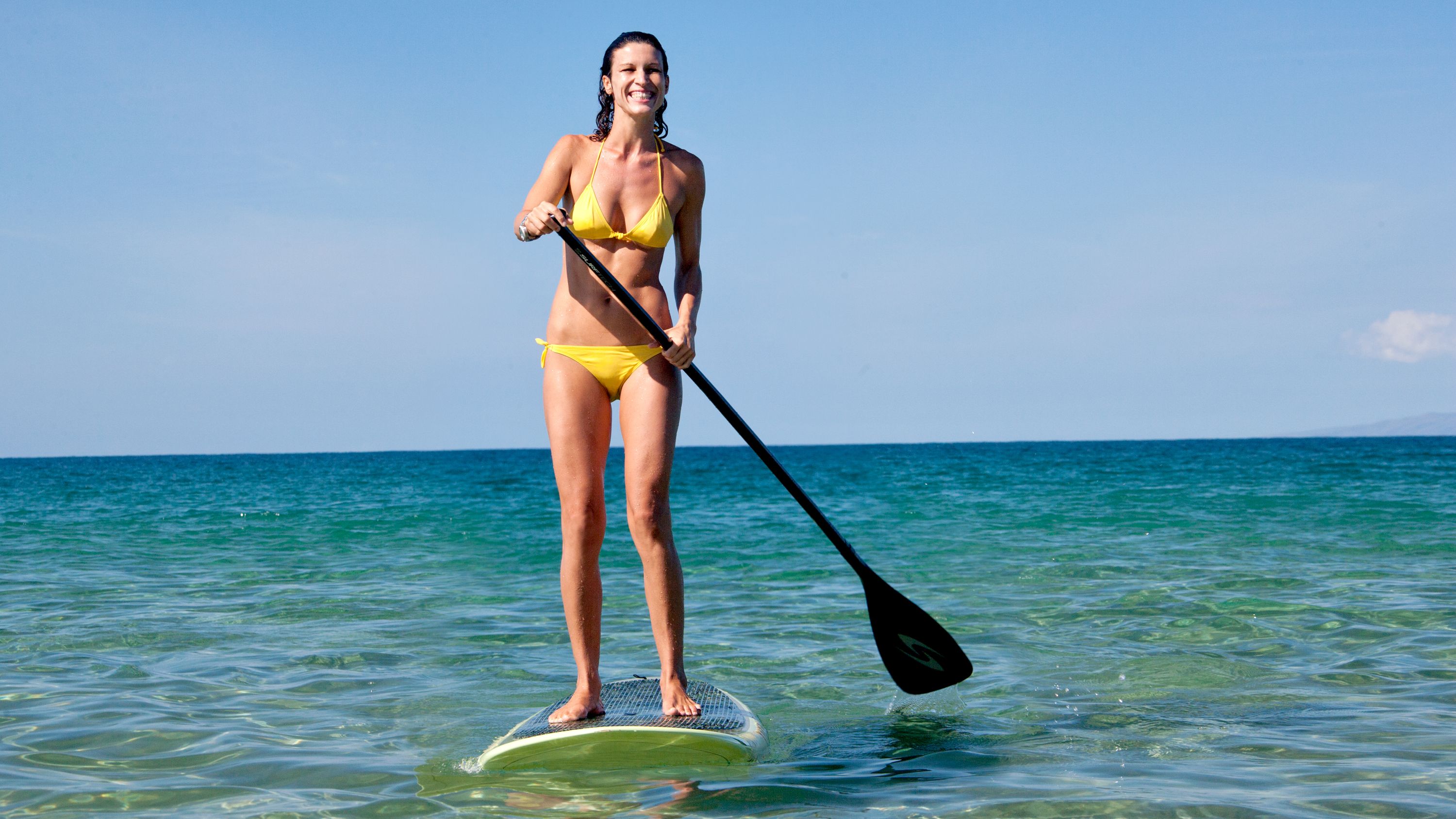
Start with simple balance exercises on the board. This builds core strength. Practice paddling with long, smooth strokes. It helps tone your arms and shoulders. Include interval training by alternating between fast and slow paddling. This improves cardiovascular health. Try different water conditions to challenge your stability and strength. Each session can work different muscle groups.
Safety Measures
Always wear a life jacket for safety. Choose the right board for your skill level and weight. Check weather conditions before heading out. Avoid paddleboarding in strong winds or choppy waters. Carry a whistle and a mobile phone in a waterproof case. Stay close to the shore if you’re a beginner. Never paddle alone. Inform someone about your plans and expected return time. This ensures help is available if needed.
Credit: www.tomsguide.com
Frequently Asked Questions
Does Paddle Boarding Count As Exercise?
Yes, paddle boarding is a great exercise. It engages core muscles, improves balance, and offers cardiovascular benefits. Paddle boarding helps burn calories, strengthens arms and legs, and promotes relaxation. It’s a fun outdoor activity suitable for all fitness levels, combining physical workout with mental well-being.
Is Paddleboarding Good Exercise To Lose Weight?
Paddleboarding is an excellent exercise for weight loss. It engages core muscles, boosts balance, and burns calories. This low-impact workout strengthens the body while being enjoyable. Regular paddleboarding can improve cardiovascular health and aid in weight management. It’s a fun way to get fit and enjoy nature.
Does Paddle Boarding Tone Your Body?
Yes, paddle boarding effectively tones your body. It engages core, arms, and leg muscles, improving strength and balance. Regular practice can enhance muscle definition and overall fitness. This low-impact activity also boosts cardiovascular health and burns calories, contributing to a leaner physique.
Paddle boarding combines fun and fitness seamlessly.
Is Sup A Full Body Workout?
Yes, stand-up paddleboarding (SUP) is a full-body workout. It engages your core, arms, legs, and back muscles. Balancing on the board strengthens your stability and coordination. It’s a fun and effective way to improve fitness and enjoy nature.
Conclusion
Paddleboarding offers more than just fun on the water. It boosts balance and strengthens muscles. Each stroke works your core and arms. Legs engage to keep you steady. Heart rate rises, improving cardiovascular health. This activity suits all ages and fitness levels.
Enjoy nature while you exercise. Feel the sun and breeze, adding to the experience. Paddleboarding is a workout that combines fitness with relaxation. Try it for a refreshing change to your routine. It’s simple and effective, making it a great choice for many.