
Have you ever wondered what goes into making your sleeping bags waterproof and durable? If you’re a camping enthusiast, you might be familiar with the term PFAS.
But if not, you might be unknowingly snuggling into a mix of chemicals known for their water-repellent properties. Unfortunately, these chemicals are also controversial due to their impact on health and the environment. Before you head out for your next adventure, it’s crucial to understand what PFAS are and how they might affect you.
Discover why knowing what’s in your sleeping bag is more important than ever. Dive deeper, and you’ll find out how these chemicals can alter your outdoor experience and what choices you can make to protect yourself and the planet.

Credit: www.gipfelclimbing.com
Pfas: The Basics
PFAS, or per- and polyfluoroalkyl substances, are synthetic chemicals found in various products. Known for their resistance to heat, water, and oil, PFAS have been used in consumer goods for decades. Their presence in sleeping bags has raised concerns due to potential health risks. Understanding PFAS can help you make informed choices about your outdoor gear.
What Are Pfas?
PFAS are a group of man-made chemicals. They include PFOA, PFOS, and other related compounds. These chemicals do not break down easily and can persist in the environment for a long time. PFAS are known for their water and stain repellent properties, making them useful in many applications.
Common Uses Of Pfas
PFAS are widely used in consumer products. You can find them in non-stick cookware, water-resistant clothing, and stain-resistant carpets. They are also used in firefighting foams and some industrial processes. Their unique properties make them valuable in many sectors, including textiles and manufacturing.
Why Pfas Are Controversial
PFAS have sparked debate due to their environmental and health impacts. Studies suggest they can accumulate in the body over time. Potential health effects include thyroid disruption and immune system issues. Their persistence in the environment makes them a concern for wildlife and ecosystems. Many advocate for reduced use and better regulation of PFAS in products.
Credit: www.gipfelclimbing.com
Pfas In Sleeping Bags
Have you ever wondered what makes your sleeping bag water-resistant and durable? The secret often lies in a group of chemicals known as PFAS, or per- and polyfluoroalkyl substances. While these chemicals add certain desirable qualities to outdoor gear, they also come with a slew of concerns. Understanding their role and impact can help you make informed choices for your next camping adventure.
Purpose Of Pfas In Sleeping Bags
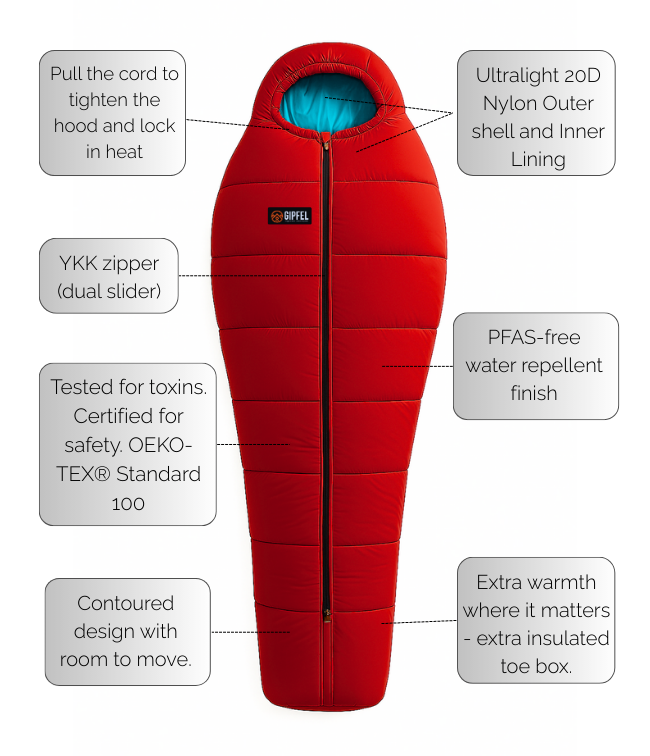
PFAS are used in sleeping bags primarily for their water and stain-resistant properties. Imagine you’re out camping, and an unexpected rain shower hits. Your sleeping bag stays dry, thanks to PFAS treatments, allowing you to stay warm and comfortable. This durability and resistance to environmental elements is what makes PFAS popular in outdoor gear.
Potential Risks And Concerns
While PFAS provide convenience, they are also linked to potential health and environmental risks. Research suggests that PFAS can linger in the environment and accumulate in the human body over time. This has raised concerns about their impact on health, including possible links to cancer and other serious health conditions. Does the benefit of a water-resistant sleeping bag outweigh these risks?
Industry Practices And Trends
The outdoor gear industry is gradually shifting away from PFAS due to rising awareness and consumer demand for safer alternatives. Many manufacturers are now exploring PFAS-free technologies that offer similar water-resistant benefits without the associated risks. By choosing products from companies that prioritize sustainability and safety, you can enjoy your outdoor adventures with peace of mind. How will you align your outdoor gear choices with these emerging trends?
Health Implications
Understanding the health implications of PFAS (Per- and Polyfluoroalkyl Substances) in sleeping bags is crucial for anyone concerned about their well-being. These chemical compounds, used for their water and stain-resistant properties, can have unintended consequences on human health. As we delve into the effects and risks associated with PFAS exposure, it’s essential to consider how they might impact you and your loved ones.
Effects Of Pfas Exposure
PFAS exposure has been linked to a variety of health issues. Studies suggest that these chemicals can interfere with hormone functions, potentially leading to developmental problems in children. They may also affect your immune system, making you more susceptible to infections.
Imagine using a sleeping bag that slowly releases these chemicals as you sleep, unknowingly affecting your health. This scenario raises an important question: Are the benefits of water-resistance worth the potential risks?
Long-term Health Risks
Long-term exposure to PFAS can have more severe health implications. Research indicates a possible connection to certain cancers, including kidney and testicular cancer. Additionally, PFAS can contribute to liver damage and thyroid disease over time.
Thinking about the long-term impact of your choices is crucial. Could avoiding PFAS-laden products today save you from health challenges tomorrow?
Vulnerable Populations
Some groups are particularly vulnerable to the effects of PFAS. Pregnant women, infants, and children are more susceptible due to their developing bodies. For these populations, even low levels of exposure can lead to significant health issues.
Consider the importance of selecting safer alternatives, especially if you or your family fall into these categories. How can you ensure the sleeping gear you choose protects the health of those you care about?
By understanding these health implications, you can make informed decisions about the products you bring into your life. Prioritizing safety over convenience might just be the best choice for your long-term well-being.
Environmental Impact
Pfas, or per- and polyfluoroalkyl substances, have been making headlines for their adverse environmental effects. These man-made chemicals are used in various products, including sleeping bags, for their water-resistant qualities. But have you ever considered the broader consequences of these substances on our planet?
Pfas And Ecosystems
Pfas can infiltrate ecosystems, affecting wildlife and plant life. When these chemicals leach into the soil and water, they can disrupt natural processes. Animals exposed to Pfas may suffer from health issues, altering food chains and biodiversity. Imagine a forest where the balance of life is tipped by unseen chemicals. How might this impact the earth’s natural harmony?
Pollution And Contamination
The persistence of Pfas in the environment leads to long-term pollution. These substances don’t break down easily, resulting in contamination of water bodies and soil. Drinking water sources, especially near industrial areas, often show elevated levels of Pfas. It’s a sobering thought that your everyday sleeping bag could contribute to this widespread contamination.
Regulatory Challenges
Regulating Pfas is an ongoing struggle worldwide. Despite their known dangers, comprehensive bans and restrictions are challenging to implement. Industries often resist change due to the economic implications of finding alternatives. What steps can be taken to advocate for stricter regulations and protect our planet from these harmful chemicals?
Safety Measures
Understanding the safety measures related to PFAS in sleeping bags is essential. PFAS, or per- and polyfluoroalkyl substances, are chemicals used for water resistance. They are found in many everyday items. Concerns about their health effects have risen. Taking steps to avoid PFAS exposure can protect your health.
Identifying Pfas-free Products
Reading labels is crucial for identifying PFAS-free sleeping bags. Look for certifications that indicate a product is PFAS-free. Brands often highlight non-toxic materials in their descriptions. Check for eco-friendly certifications. These often mean the product avoids harmful chemicals.
Consumer Tips For Safer Choices
Seek products made from natural or organic materials. These materials often avoid chemical treatments. Ask manufacturers about the chemicals used in production. Choose brands committed to transparency and safety. Researching products before purchasing can lead to safer choices. Reviews can also provide insights into a product’s safety.
Advocacy And Regulation
Advocacy groups play a role in pushing for safer products. They raise awareness about the dangers of PFAS. Supporting these groups can lead to stronger regulations. Governments are starting to regulate PFAS in consumer products. Staying informed about these regulations can guide safer purchasing. Demand for safer, PFAS-free products encourages change in the industry.
Future Of Pfas In Outdoor Gear
Pfas, or per- and polyfluoroalkyl substances, are chemicals used in sleeping bags for water resistance. Concerns about their environmental impact are prompting gear manufacturers to seek safer alternatives. This shift could shape the future of outdoor gear, promoting eco-friendly sleeping bags.
The future of PFAS in outdoor gear like sleeping bags is a hot topic in the world of adventure and sustainability. As awareness grows about the potential health and environmental impacts of PFAS, the outdoor industry is under pressure to adapt. This transition involves exciting technological innovations, shifts in consumer demand, and significant policy developments.Technological Innovations
Innovative companies are exploring alternative materials to PFAS for water resistance in outdoor gear. Technologies like silicone-based coatings and plant-based treatments are gaining popularity. These alternatives aim to provide the same level of performance without harmful environmental effects. Research is also focusing on creating biodegradable and eco-friendly materials. This shift not only benefits the planet but also offers consumers safer options. Imagine having gear that’s both high-performing and kind to the Earth.Shifts In Consumer Demand
Consumers today are more environmentally conscious than ever. They are increasingly choosing brands that prioritize sustainability over traditional performance metrics. This shift in demand is encouraging companies to innovate and offer PFAS-free products. Have you noticed how some brands now proudly display their eco-friendly credentials? This is a direct response to consumer pressure for transparency and ethical practices. Your purchasing power is influencing this positive change in the industry.Policy Developments
Governments worldwide are starting to regulate the use of PFAS in consumer products. Policies aimed at reducing or eliminating PFAS are becoming more common. These regulations are pushing manufacturers to rethink their materials and production processes. Such policy changes often lead to industry-wide transformations. As regulations tighten, expect to see a broader range of PFAS-free options in the market. How will these legal shifts shape your future outdoor adventures? The answer lies in the evolving landscape of outdoor gear.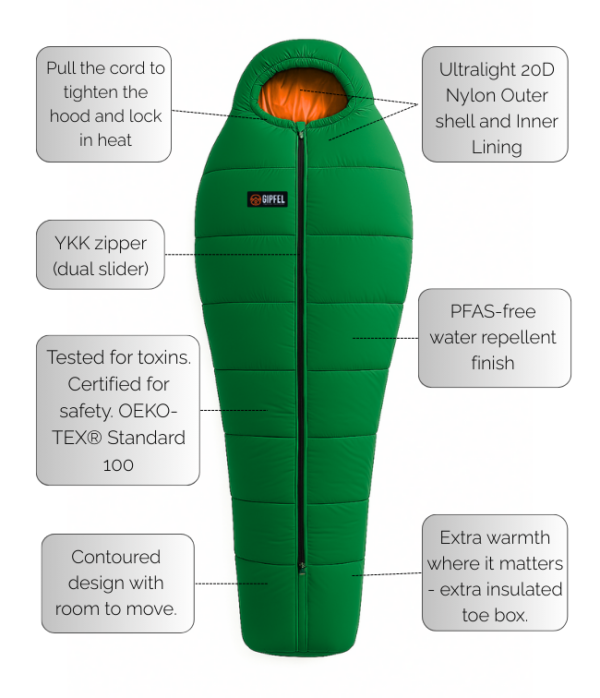
Credit: www.gipfelclimbing.com
Frequently Asked Questions
What Does Pfas Do To Your Body?
PFAS can harm your body by affecting the liver, thyroid, and immune system. They might increase cholesterol levels and risk of cancer. These chemicals can disrupt hormone function, leading to developmental issues. Long-term exposure may lead to various health complications.
Always seek to minimize exposure to PFAS.
Should I Worry About Pfas?
Yes, PFAS exposure can pose health risks. They are linked to cancer, liver damage, and immune issues. It’s wise to stay informed and reduce exposure by avoiding products containing PFAS. Check local water quality reports and consider using water filters to limit PFAS intake.
What Products Have The Most Pfas?
Products with high PFAS levels include non-stick cookware, stain-resistant fabrics, and water-repellent clothing. Food packaging, especially fast-food wrappers, also contains PFAS. These chemicals are often present in cleaning products and some cosmetics, like foundation and mascara. Always check labels for safer alternatives.
What Does Pfas Stand For?
PFAS stands for Per- and Polyfluoroalkyl Substances. These are synthetic chemicals found in various products. They resist grease, water, and oil. Industries use PFAS in non-stick cookware, water-repellent fabrics, and firefighting foams. Concerns about PFAS center on their persistence in the environment and potential health impacts.
Conclusion
Understanding PFAS in sleeping bags matters. These chemicals can affect health. Choose safer options. Many brands offer eco-friendly sleeping bags. They avoid harmful substances. Awareness grows daily. Consumers demand safer products. This drives change. Always check labels when buying gear.
Look for non-toxic materials. Protect your family and environment. Research helps make informed choices. Share knowledge with friends. Spread awareness. Together, we can push for healthier alternatives. Every choice counts. Embrace mindful shopping. Create a safer future for all. Simple steps lead to big impacts.
Act now for a healthier lifestyle.