

Are you wondering how long your favorite running shoes will last before they need to be replaced? You’re not alone.
Many runners, like you, want to get the most out of their shoes without sacrificing performance or comfort. Knowing when to say goodbye to those trusty trainers can be a bit tricky, but it’s crucial for maintaining your stride and avoiding injury.
We’ll uncover the secrets behind running shoe longevity and give you the tools to determine when it’s time for a new pair. Stick around to learn how to keep your feet happy and your runs smooth, ensuring that every mile is as enjoyable as the first.
Factors Affecting Durability
Running shoes are an essential part of a runner’s gear. Their durability is influenced by several factors. Understanding these can help prolong their life and improve performance.
Material Quality
High-quality materials often mean longer-lasting shoes. The type of fabric and sole affect wear and tear. Synthetic materials might wear faster than durable ones like leather or high-grade rubber.
Running Surface
The surface you run on impacts shoe lifespan. Running on rough trails can damage shoes quicker than smooth pavements. Consider the terrain to choose shoes that match the surface.
Frequency Of Use
Frequent running leads to faster wear. Shoes used daily will break down sooner than those used occasionally. Monitor usage to determine when it’s time for a new pair.
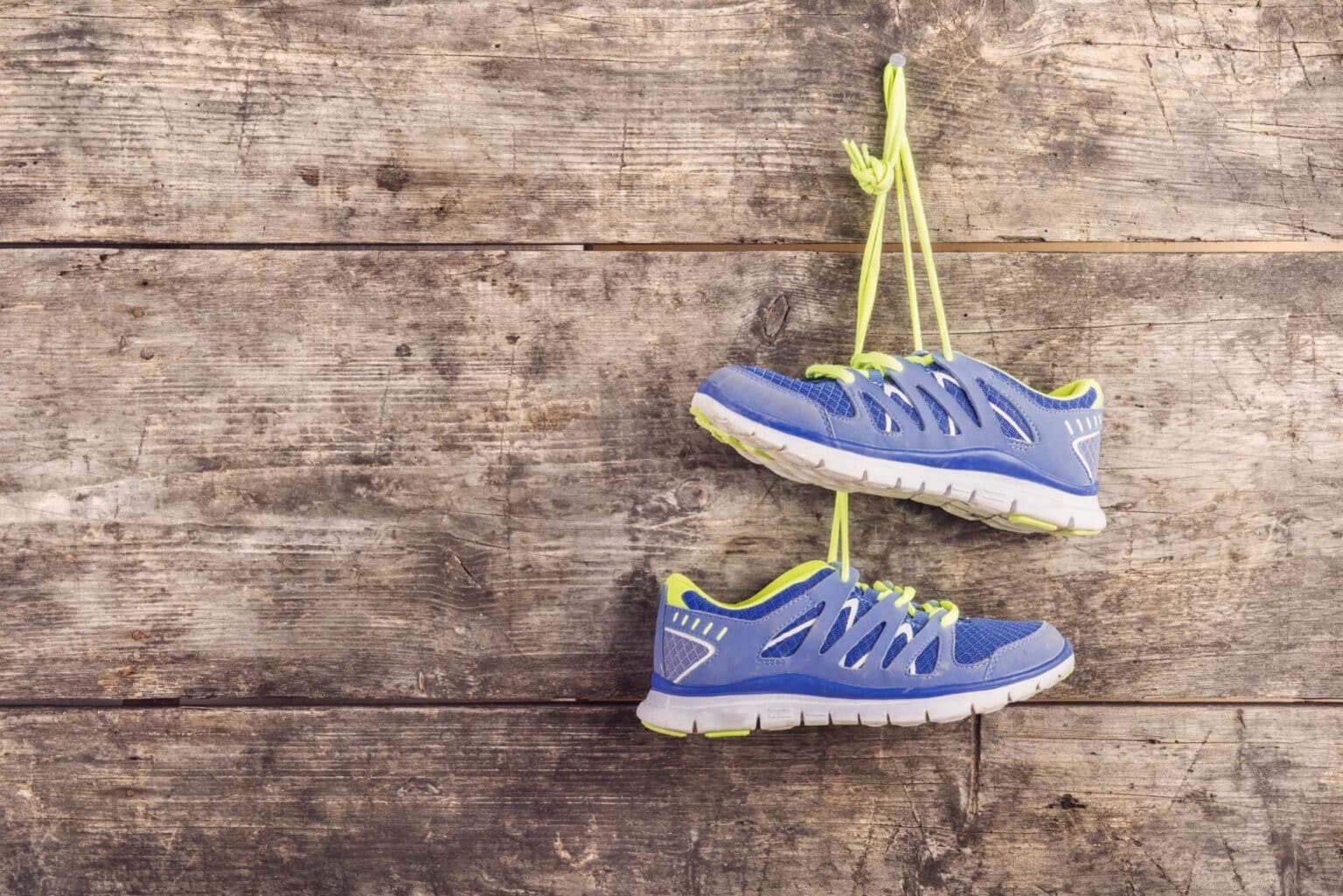
Credit: coachtherun.com
Signs Of Wear And Tear
Running shoes typically show wear and tear after 300 to 500 miles. Look for worn-out soles and reduced cushioning. These signs indicate it’s time for a new pair.
Understanding the signs of wear and tear in running shoes is essential. It helps you decide when to replace them. Recognizing these signs ensures your feet stay comfortable and protected. Below are some key indicators to watch for.Tread Wear
Check the soles for smooth spots or uneven patterns. Worn tread affects grip and can lead to slipping. Compare your shoes to a new pair if unsure.Midsole Compression
Press the midsole with your thumb. If it feels hard or compressed, it’s time for a new pair. This part of the shoe absorbs shock and protects your joints.Upper Material Damage
Inspect the fabric and seams for tears or holes. Damaged uppers can affect fit and support. They may also allow moisture inside, making runs uncomfortable.Tips For Extending Shoe Lifespan
Caring for running shoes extends their lifespan. Rotate pairs to reduce wear and maintain cushioning. Clean them regularly to prevent material breakdown and store them in a cool, dry place.
Extending the lifespan of your running shoes not only saves you money but also keeps you running comfortably for longer. Shoes are a runner’s best friend, and taking care of them is as important as choosing the right pair. With a few mindful practices, you can significantly boost their durability.Proper Cleaning Techniques
Regular cleaning can prevent your shoes from deteriorating quickly. Use a soft brush to remove dirt and debris after each run. If they need a deeper clean, gently hand wash them with mild soap and water, and avoid using a washing machine which can damage the materials.Correct Storage Practices
Storing your shoes properly helps maintain their shape and structure. Keep them in a cool, dry place away from direct sunlight to prevent the materials from breaking down. Stuffing them with newspaper can help absorb moisture and retain their shape.Rotating Between Pairs
Having multiple pairs of running shoes and rotating them can extend their lifespan. It gives each pair time to decompress and recover between runs. This practice also allows you to match shoes with different terrains or weather conditions, enhancing your performance and shoe longevity. By incorporating these tips into your routine, your running shoes can offer you better support and comfort for a longer period. Have you tried any of these techniques, and did they make a difference in your running experience?
Credit: theordinaryrunner.co.uk
When To Replace Your Running Shoes
Running shoes don’t last forever. They wear out with use and time. Knowing when to replace them is vital for comfort and performance. Worn-out shoes can cause injuries and discomfort. Let’s explore some key signs to look for when deciding to replace your running shoes.
Mileage Considerations
Running shoes have a lifespan of 300 to 500 miles. Track the miles you run to gauge wear. Frequent runners should replace shoes more often. Less frequent runners might keep them longer. Use apps or logs to track mileage easily.
Physical Discomfort
Feel pain or discomfort during runs? It might be time for new shoes. Worn-out cushioning can’t support your feet well. Notice aches in feet, knees, or hips? Consider replacing your shoes. Good support is crucial for injury prevention.
Visible Damage
Inspect your shoes regularly. Check for worn-out soles or frayed laces. Look at the shoe’s upper for tears or holes. Damaged shoes can’t provide proper support. Don’t ignore visible signs of wear. Replace them for safe and comfortable runs.
Impact Of Shoe Type On Longevity
When it comes to running shoes, the type you choose can significantly impact how long they last. Different designs and intended uses wear out at varying rates. Understanding these distinctions can help you make a more informed purchase that suits your running needs.
Road Vs. Trail Shoes
Road shoes are crafted for smoother, paved surfaces. They often feature lightweight materials and less aggressive tread patterns. If you’re a city runner, these might wear out quicker due to the repetitive impact on hard surfaces.
On the other hand, trail shoes are designed for rugged, unpredictable terrains. They generally boast sturdier construction and more robust outsoles. This makes them more durable under challenging conditions, but they might feel heavier on your feet.
Minimalist Vs. Cushioned Designs
Minimalist shoes offer a barefoot-like experience with less padding. While they provide a more natural feel, their thinner soles can wear down faster, especially on rough surfaces. They might be ideal for short, frequent runs if you’re looking to connect more with the ground.
Cushioned shoes, however, prioritize comfort with their plush padding and support. They’re perfect for long-distance runners who need extra shock absorption. Though they might last longer due to their design, their cushioning can degrade over time, affecting comfort and support.
So, which shoe type aligns with your running goals? Consider your typical terrain and comfort preferences to find a pair that will not only last but also enhance your running experience.
Choosing The Right Shoe For Your Needs
Running shoes typically last between 300 to 500 miles. Factors like terrain and running style affect their lifespan. Regular checks for wear and tear ensure optimal performance and prevent injuries.
Choosing the right running shoe can make a world of difference in your running experience and ultimately influence how long your shoes last. The perfect pair not only supports your feet but also matches your unique running style and personal preferences. Investing time in understanding what you need in a shoe can save you money and improve your overall performance.Understanding Your Running Style
Your running style is as unique as your fingerprint. Are you a sprinter who needs lightweight shoes for speed, or a long-distance runner who prioritizes cushioning and durability? Consider where you run—on trails, treadmills, or roads—as different terrains require different support and grip levels. Knowing whether you overpronate (your foot rolls inward too much) or supinate (your foot rolls outward too much) can help you choose shoes that offer the right correction and support. A quick way to determine this is by looking at the wear pattern on your old running shoes. Don’t forget to account for your stride and foot strike. A visit to a local running store for a gait analysis can provide valuable insights into what type of shoe will best support your running style.Evaluating Shoe Fit And Support
A proper fit is crucial to prevent injuries and maximize comfort. Shoes that are too tight can cause blisters, while those that are too loose may lead to stability issues. Aim for a snug fit with enough room to wiggle your toes. Consider the shoe’s arch support and cushioning. Do you have high arches that need extra support, or do you prefer minimalist shoes that allow you to feel the ground? Test them by walking or jogging in the store to feel how they perform. Finally, think about the longevity of the shoe. Well-fitted shoes with adequate support tend to last longer because they help distribute wear evenly. Would you prefer to spend a bit more for a shoe that lasts longer, or save initially but replace your shoes more frequently? Your choice here will impact how often you’ll find yourself shoe shopping again.
Credit: www.youtube.com
Frequently Asked Questions
How Often Should You Replace Running Shoes?
Replace running shoes every 300-500 miles to maintain support and cushioning. This range varies based on running style and terrain. Regularly inspect shoes for wear and tear. Always prioritize comfort and performance to prevent injuries.
Can Running Shoes Last 10 Years?
Running shoes rarely last 10 years. Materials degrade over time, reducing cushioning and support. Replace them every 300-500 miles or when showing wear signs. Storing them properly can extend their lifespan. Regularly assess their condition for optimal performance and injury prevention.
Always prioritize foot health and comfort.
What Is The Lifespan Of A Running Shoe?
Running shoes typically last 300 to 500 miles. Regular use affects lifespan, reducing cushioning and support. Monitor wear patterns and replace shoes when signs of damage or discomfort appear. Proper maintenance and rotation of shoes can extend their usability. Always prioritize foot health by updating footwear as needed.
How Do I Tell If My Running Shoes Are Worn Out?
Check for uneven wear on the soles. Inspect for diminished cushioning or support. Notice discomfort or pain while running. Evaluate shoe lifespan, typically 300-500 miles. Assess flexibility by bending the shoe.
Conclusion
Running shoes eventually wear out. Averages vary, typically lasting 300 to 500 miles. Check for signs of wear. Look at the soles and cushioning. Replace shoes when discomfort arises. Regular rotation can extend lifespan. Choose quality shoes for durability. Proper maintenance helps too.
Clean them often and store properly. Listening to your feet matters. Comfort is key in running. Investing in good shoes pays off. Your feet deserve care and attention. Keep track of your mileage. This ensures timely replacement. Happy running with healthy feet!