
Have you ever finished a run feeling like your legs are made of lead? It’s a common experience, and understanding why your legs are sore after running can help you prevent discomfort and improve your performance.
You might be wondering whether it’s normal, or if there’s something you should be doing differently. Rest assured, you’re not alone in this. Imagine this: you’ve just completed a satisfying run, but the next day your legs feel sore and achy.
This sensation can be frustrating, especially when you’re eager to keep up with your fitness routine. But here’s the intriguing part—your sore muscles are actually a sign that your body is adapting and becoming stronger. That’s right! Your discomfort is actually a step toward progress. You’ll discover the reasons behind post-run muscle soreness and learn practical tips to alleviate it. We’ll delve into the science of muscle recovery and share strategies to help you bounce back faster. If you’re ready to unlock the secrets behind your sore legs and continue your running journey with confidence, keep reading!

Credit: www.runnersworld.com
Muscle Fatigue
Muscle fatigue is a common culprit behind sore legs after a run. It occurs when your muscles have been pushed beyond their usual capacity, leaving them tired and less efficient at performing tasks. This fatigue can often be the body’s way of signaling that it’s time to rest and recover.
Understanding Muscle Fatigue
When you run, your muscles work hard to keep you moving. If you’ve ever wondered why they feel tired afterwards, it’s because they’ve been stretched and contracted repeatedly. This can lead to tiny tears in the muscle fibers. These tears are a normal part of building stronger muscles, but they can cause soreness as they heal.
Signs Of Muscle Fatigue
Recognizing muscle fatigue is key to improving your running experience. You might notice a heavy feeling in your legs or a decrease in your performance. Pay attention if you find yourself struggling to keep up your usual pace or needing more breaks than usual. These are signs that your muscles are tired and need recovery.
Preventing Muscle Fatigue
Taking proactive steps can help mitigate muscle fatigue. Start by warming up properly before running; this prepares your muscles for the activity ahead. Incorporate strength training exercises into your routine to build muscle resilience. Ensure you’re wearing the right shoes to support your feet and legs.
Recovery Tips For Sore Muscles
- Stretching:Gentle stretching after a run can alleviate soreness.
- Hydration:Drink water to help your muscles recover faster.
- Rest:Give your body time to heal; consider a rest day if needed.
- Massage:A soothing massage can enhance blood flow and reduce soreness.
Are you pushing yourself too hard too soon? Muscle fatigue can be an indicator to reassess your training plan. Listen to your body’s signals and adjust accordingly to avoid prolonged discomfort. By understanding and addressing muscle fatigue, you can improve your running performance and enjoy the activity without the unwelcome soreness.
Delayed Onset Muscle Soreness
Experiencing sore legs after running is common due to Delayed Onset Muscle Soreness (DOMS). This occurs when muscles repair tiny tears caused by exercise, leading to discomfort. Simple stretches and rest can help alleviate this soreness.
Feeling sore after a run, especially in your legs, can be a common experience. This discomfort is often due to Delayed Onset Muscle Soreness (DOMS). It usually kicks in a day or two after your workout. Your muscles are adjusting to the strain, resulting in a tender, stiff feeling. This soreness can be confusing and frustrating, especially if you’re new to running. But don’t worry, understanding DOMS can help you manage it better. Let’s explore what exactly it is and how you can ease the discomfort.What Causes Delayed Onset Muscle Soreness?
DOMS occurs when you push your muscles beyond their usual limits. This often happens during activities like running, which require repetitive muscle contractions. Microtears in the muscle fibers lead to inflammation, causing that familiar soreness.How Long Does Doms Last?
Typically, you may feel soreness starting 12 to 24 hours post-exercise. It can peak around the 48-hour mark and usually subsides within 72 hours. However, this duration can vary based on the intensity of your workout and your fitness level.Can You Prevent Doms?
While you can’t entirely avoid DOMS, you can reduce its intensity. Gradually increasing your running distance and intensity helps your muscles adapt more smoothly. Proper warm-ups and cool-downs also play a crucial role in minimizing soreness.How Can You Alleviate Soreness?
There are several ways to relieve DOMS and get back on track. – Rest and Recovery: Allow your muscles time to heal. Light activities, like walking, can promote blood flow and aid recovery. – Stretching: Gentle stretching can help ease tension in sore muscles. – Hydration and Nutrition: Staying hydrated and consuming protein-rich foods can support muscle repair.Should You Run Through The Pain?
Running through soreness is a common dilemma. Listen to your body—if the pain is mild, light jogging might be okay. But if it’s severe, rest is essential. Pushing through significant pain can lead to injury, setting back your progress. Dealing with DOMS is a part of the fitness journey, but it doesn’t have to sideline you. By understanding your body’s response and taking proactive steps, you can manage soreness effectively. What has been your experience with DOMS? Share your thoughts in the comments below!Lactic Acid Buildup
Experiencing sore legs after running is common. One key reason is lactic acid buildup. This natural process occurs during intense exercise, like running. When muscles need energy quickly, they rely on anaerobic metabolism. This leads to lactic acid production. It temporarily accumulates in muscle tissue, causing discomfort and fatigue. Understanding this process helps runners manage and reduce soreness.
Lactic Acid And Muscle Fatigue
Lactic acid contributes to muscle fatigue. As you run, your muscles work hard. They produce lactic acid as a byproduct. This accumulation can make muscles feel heavy and tired. It’s a normal response to vigorous activity. Knowing this can help you pace your runs better.
Why Lactic Acid Buildup Happens
During intense exercise, oxygen levels drop. Muscles switch to anaerobic energy production. This leads to lactic acid formation. It’s a quick way for muscles to produce energy without oxygen. While efficient, it also causes temporary muscle soreness.
Managing Lactic Acid Buildup
Proper hydration can help manage lactic acid levels. Drinking water before, during, and after running aids in flushing out lactic acid. Stretching after a run also assists in reducing muscle stiffness. Incorporating a cooldown routine can ease lactic acid discomfort.
Benefits Of Lactic Acid
Lactic acid has benefits. It provides energy when oxygen is scarce. This allows muscles to continue working during high-intensity activities. Although it causes soreness, it plays a role in muscle adaptation and strengthening.
Inadequate Warm-up
Skipping a proper warm-up can lead to sore legs after running. Muscles need preparation to handle stress. A quick stretch prevents stiffness and discomfort.
Inadequate Warm-Up Have you ever hit the pavement, only to feel like your legs are screaming at you with every stride? That soreness might be screaming “inadequate warm-up.” A proper warm-up is crucial to preparing your muscles for the demands of running. Warm-up exercises increase blood flow and flexibility, reducing the risk of injury. By skipping this essential step, you might be setting yourself up for muscle stiffness.Understanding Muscle Preparation
Your muscles need to be primed for action, much like tuning an instrument before a concert. Dynamic stretches or light jogging can awaken your muscles, readying them for the main event. Have you ever noticed how professional athletes spend time warming up before the game? It’s not just for show; it’s vital for peak performance.The Role Of Blood Circulation
Warm-up exercises stimulate blood circulation to your legs, enhancing oxygen delivery. With better blood flow, your muscles can perform efficiently and recover faster. When blood flow is restricted, you might experience cramps or slower recovery times.Flexibility And Range Of Motion
Stretching can improve your flexibility, allowing your muscles to move more freely. Increased range of motion means your legs can stride with less resistance. Imagine trying to run with tight rubber bands; stretching helps loosen those bands.Common Warm-up Mistakes
Rushing through your warm-up or skipping it entirely can lead to soreness. Focus on quality, not quantity; a few focused stretches can be more effective than a hurried routine. Consider adjusting your warm-up routine if soreness persists after running.Personal Experience Insight
I once went for a run without warming up properly and felt the consequences for days. That soreness taught me the importance of taking the time to prepare my muscles. Have you ever skipped a warm-up and regretted it? It’s a lesson learned the hard way.Practical Tips For A Better Warm-up
- Start with five minutes of brisk walking or light jogging.
- Incorporate dynamic stretches like leg swings and lunges.
- Gradually increase the intensity of your exercises.
Overtraining Effects
Muscle soreness in your legs after running might indicate overtraining. Intense workouts without proper rest strain your muscles. Ensure adequate recovery to prevent discomfort and injury.
Experiencing sore legs after running can often be attributed to overtraining. While pushing your limits is part of improving your running capabilities, there’s a fine line between effective training and overtraining. Understanding the effects of overtraining can help you strike a healthy balance and prevent unnecessary soreness.Why Does Overtraining Cause Soreness?
Overtraining happens when your body doesn’t get enough time to recover between intense workouts. When you run too much without adequate rest, your muscles don’t have the opportunity to repair and strengthen. This can lead to persistent soreness, making each run feel harder than the last. Have you ever noticed that your times aren’t improving despite running more? This could be your body’s way of signaling that it’s overwhelmed.Signs You Might Be Overtraining
Recognizing the signs of overtraining is crucial. Beyond leg soreness, you might experience increased fatigue, mood swings, or trouble sleeping. These are your body’s alarms, indicating that it’s time to slow down. Pay attention to these signals and adjust your training plan accordingly. After all, it’s better to take a brief pause than to face a lengthy recovery.Balancing Training And Recovery
Finding the right balance is key to avoiding overtraining. Incorporate rest days into your routine and listen to your body’s cues. Consider alternating between high-intensity and low-intensity workouts. This strategy not only prevents soreness but also enhances performance over time. Have you tried integrating cross-training activities to give your legs a break while still maintaining fitness?Importance Of Proper Nutrition And Hydration
Proper nutrition and hydration play a significant role in recovery. Consuming enough protein helps repair muscle fibers, while staying hydrated supports overall muscle function. Ensure you’re fueling your body with the right nutrients to aid recovery. It’s amazing how a well-balanced diet can reduce soreness and boost your energy levels. By understanding and addressing the effects of overtraining, you can minimize leg soreness and improve your overall running experience. Next time you lace up your running shoes, consider whether your training plan gives your body the recovery it needs.
Credit: www.upstep.com
Improper Running Technique
Improper running technique often leads to sore legs after a workout. Strain on muscles can occur due to poor posture or incorrect foot placement, causing discomfort and fatigue.
Improper running technique is a common culprit behind sore legs after a running session. It’s easy to focus on speed and distance, but neglecting your form can lead to discomfort and injury. Imagine running with a slightly awkward posture—over time, this can stress your muscles and joints more than you might realize.Understanding Your Stride
Your stride plays a significant role in how your legs feel after running. Are you overstriding? If your foot lands too far ahead of your body, it can lead to increased impact and muscle fatigue. Consider shortening your stride to improve efficiency and reduce soreness.Foot Placement
Where does your foot land? Heel striking can result in jarring impacts that travel up your legs. Try landing more on the midfoot to distribute the force more evenly. This simple change could make a big difference in how your legs feel post-run.Body Alignment
Check your posture. Are you leaning too far forward or backward? An upright, slight forward lean from the ankles helps maintain balance and reduces strain. Imagine running with a tall posture, as if a string is pulling you upward from the top of your head.Arm Movement
Your arms aren’t just for balance; they drive your momentum. Are they swinging excessively or crossing your body? Keep them relaxed and moving forward and back to conserve energy and prevent unnecessary leg strain.Breathing Rhythm
How’s your breathing? Syncing your breath with your steps can enhance your running technique. A steady rhythm ensures your muscles are well-oxygenated, reducing fatigue and soreness. Try inhaling for three steps and exhaling for two.Feedback Loop
Are you tuning into your body’s signals? Pay attention to any discomfort during your run. Adjust your technique accordingly to prevent soreness. Your body often knows best; listen to it and refine your running style for a more pleasant experience. Reflect on your running habits. Is your technique contributing to sore legs? These adjustments may seem small, but they can transform your running experience. How will you change your approach to running?Footwear Choices
Choosing the right footwear is crucial for runners. It affects performance and comfort. Wearing the wrong shoes can lead to sore legs. Let’s explore how footwear choices impact your running experience.
Understanding Your Foot Type
Foot types vary. Some have high arches, others are flat-footed. Knowing your foot type helps in selecting suitable shoes. This reduces the risk of soreness and injury.
Importance Of Cushioning
Good cushioning absorbs impact. This lessens the strain on your legs. Shoes lacking cushioning can lead to discomfort. Ensure your footwear offers adequate support.
Proper Fit And Size
A proper fit is essential. Ill-fitting shoes cause blisters and pain. Always try on shoes with socks. Make sure there’s enough room for your toes.
Considering Shoe Lifespan
Shoes wear out over time. Old shoes lose support and cushioning. Replace them regularly to maintain comfort. Check for signs of wear and tear.
Terrain-specific Footwear
Different terrains require different shoes. Trail running needs shoes with better grip. Road running benefits from lightweight, cushioned shoes. Choose footwear based on your running environment.
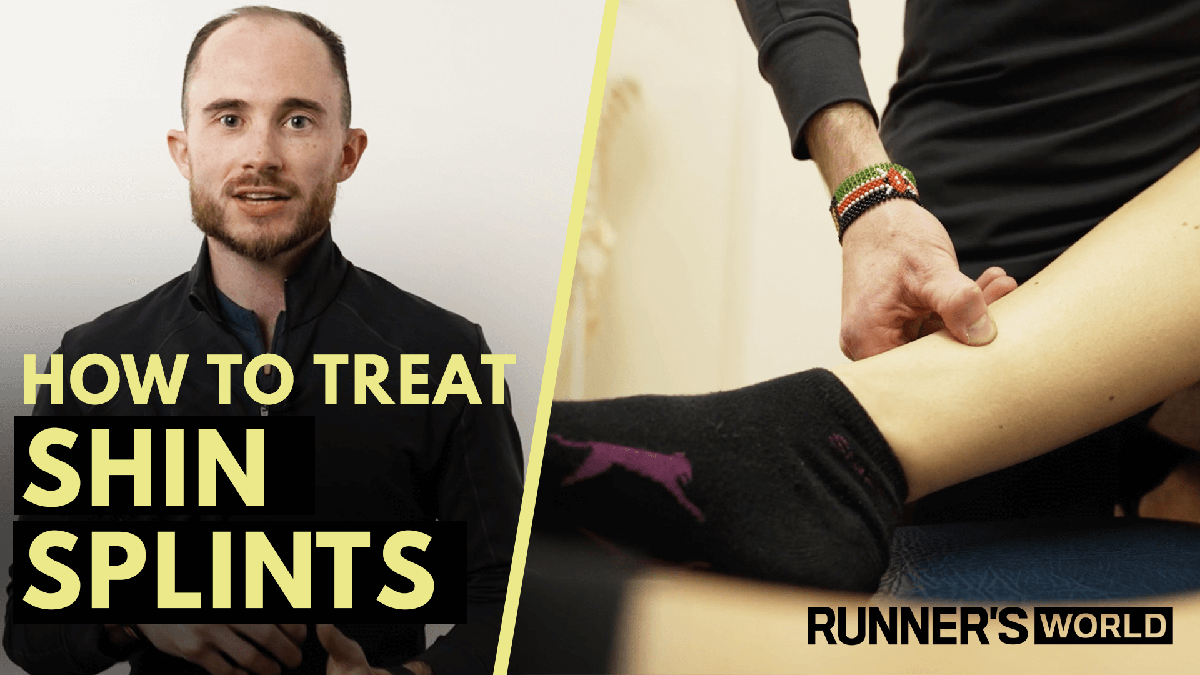
Credit: www.runnersworld.com
Hydration And Nutrition
Proper hydration and nutrition are key to reducing soreness after running. Water and balanced meals help muscles recover efficiently. Without them, legs can feel more tired and achy.
Hydration and nutrition play a crucial role in how your body responds to a run. If you find your legs sore after running, it might be time to look at what you’re drinking and eating. The right balance can significantly impact your recovery and overall performance.Hydration: The Foundation Of Muscle Recovery
Proper hydration keeps your muscles functioning smoothly. Dehydration can lead to muscle cramps and soreness. Make sure to drink water before, during, and after your run. Consider sports drinks if you’re running for more than an hour. They replenish electrolytes lost through sweat. But be cautious of the sugar content. Pay attention to your body’s signals. Thirst is a late indicator of dehydration, so drink regularly. Are you drinking enough water throughout your day?Nutrition: Fuel Your Muscles
What you eat impacts how your muscles repair themselves. Post-run, your body needs carbs and protein to rebuild and recover. Opt for a balanced meal within 30 minutes of your run. A banana with peanut butter or a smoothie with spinach, yogurt, and berries can do wonders. Don’t forget about your pre-run meal. Eating a light snack with carbs can provide the energy you need. Have you been fueling your body the right way before hitting the trail?Listen To Your Body
Your body often knows what it needs. If you feel unusually sore, it might be signaling a need for more nutrients or fluids. Keep a journal of your runs, hydration, and meals. This can help you notice patterns and adjust as needed. Are your sore legs telling you it’s time to tweak your routine? Being mindful of your hydration and nutrition can make a world of difference in your running experience. Small changes can lead to big improvements. Are you ready to take the next step in your running journey?Muscle Imbalances
Muscle imbalances often lead to soreness in the legs after running. Uneven strength between different muscles causes strain, resulting in pain. Proper stretching and balanced workouts can help alleviate this discomfort.
Running is a fantastic way to keep fit, but it can sometimes leave your legs feeling sore. One common reason for this discomfort is muscle imbalances. Muscle imbalances occur when certain muscles are stronger or more developed than others. This can lead to uneven strain on your legs during running, resulting in soreness. Understanding these imbalances is key to improving your running experience and minimizing post-run aches.Understanding Muscle Imbalances
Muscle imbalances are more common than you might think. Often, runners focus on building their leg muscles but neglect their core or upper body. This can lead to an uneven distribution of strength. For example, if your quads are stronger than your hamstrings, it can affect your running gait and lead to soreness. It’s crucial to have a balanced workout routine that targets all muscle groups.Identifying Imbalances
How can you tell if you have muscle imbalances? Pay attention to your body’s signals. Do your legs feel tired or sore after a short run? This could indicate that certain muscles are overcompensating for others. Try doing a few simple exercises like squats or lunges. If one side feels weaker or less coordinated, you may have an imbalance.Addressing Muscle Imbalances
The good news is that muscle imbalances can be corrected. Start by incorporating exercises that strengthen weaker muscles. Focus on activities like leg curls for hamstrings or calf raises. Don’t forget your core; a strong core supports your entire body during a run. You might also consider consulting a physical therapist for a personalized plan.Preventing Future Imbalances
Preventing muscle imbalances is all about maintaining a well-rounded fitness routine. Include cross-training activities like cycling or swimming, which work different muscle groups. Regular stretching is also essential to keep muscles flexible and balanced. Keep an eye on your form during runs; even minor adjustments can make a big difference. Reflect on your running habits. Are you giving all muscle groups the attention they deserve? By tackling imbalances head-on, you can enjoy a smoother, less painful running experience.Preventive Measures
Stretching before and after running helps prevent sore legs. Hydration is key for muscle recovery. Gradually increase running intensity to avoid strain.
Preventing sore legs after running requires proactive care. Incorporating targeted exercises and allowing adequate recovery can make a significant difference. These measures help maintain strength and flexibility, reducing discomfort and improving performance.Stretching Routines
Begin every run with a proper warm-up. Dynamic stretches prepare the muscles by increasing blood flow. Try leg swings, lunges, and high knees for five minutes. After running, focus on static stretching. Hold each stretch for 20-30 seconds. Concentrate on major muscle groups like calves, hamstrings, and quads. Stretching maintains flexibility, helping prevent soreness.Strength Training
Strengthen your legs to support running demands. Incorporate exercises targeting the lower body. Squats, lunges, and calf raises are effective. Aim for two sessions weekly. Building muscle strength helps absorb impact, reducing the risk of soreness. Consistency in strength training enhances endurance and performance.Rest And Recovery
Allow your body time to heal after running. Rest days are crucial for muscle repair. Listen to your body and avoid overtraining. Hydrate well and maintain a balanced diet to aid recovery. Include activities like yoga or gentle walking on rest days. Quality sleep also plays a vital role in recovery. Prioritize these aspects to reduce leg soreness and improve your running experience.When To Seek Medical Advice
Persistent soreness in your legs after running might require medical attention. Seek advice if pain worsens or persists beyond a few days. Sudden swelling, severe discomfort, or difficulty walking are also signs to consult a healthcare professional.
When you feel soreness in your legs after running, it’s usually normal. But sometimes, this discomfort might signal something more serious. Recognizing when to seek medical advice can prevent further injury. Understanding the signs that require professional attention is crucial. Below are the key indicators you should not ignore.Severe Pain That Persists
If your pain is intense and doesn’t improve with rest, consult a doctor. Persistent pain could indicate a more serious issue. Muscle tears or stress fractures might be the cause.Swelling And Redness
Noticeable swelling or redness in your legs is a red flag. These symptoms might suggest inflammation or an infection. It’s essential to seek medical evaluation promptly.Numbness Or Tingling
Experiencing numbness or tingling in your legs is not normal. It might point to nerve compression or other nerve-related issues. Immediate medical attention can prevent complications.Inability To Bear Weight
Struggling to put weight on your legs is concerning. This can indicate a significant injury like a fracture. Seek medical advice to determine the cause and necessary treatment.Symptoms Lasting More Than A Week
If soreness persists for more than a week, it deserves attention. This prolonged discomfort might require professional evaluation to rule out chronic conditions.Visible Bruising
Large bruises that appear without a clear reason can signal internal injuries. These might need further investigation by a healthcare professional. Always consider unexplained bruising as a reason to consult a doctor. Understanding when to seek medical advice ensures your health and safety. Always listen to your body and act accordingly.Frequently Asked Questions
Is It Good That My Legs Are Sore After Running?
Sore legs after running can indicate muscle growth and adaptation. It’s normal, especially for beginners or after intense workouts. Ensure proper warm-up, cool-down, and hydration to minimize discomfort. Persistent or severe pain may require medical attention. Listen to your body for safe progression in your fitness journey.
Should I Run When My Legs Are Still Sore?
Running with sore legs can worsen injury. Consider light activities like walking or stretching instead. Listen to your body.
Why Do My Legs Feel Sore After Running?
Running strains muscles, causing microscopic tears. These tears lead to inflammation and soreness. It’s a natural part of muscle strengthening. Proper warm-up and cool-down can minimize soreness. Hydration and nutrition also play roles in recovery.
How Can I Reduce Leg Soreness After A Run?
To reduce soreness, stretch and cool down post-run. Hydrate adequately to aid muscle recovery. Consider foam rolling for muscle relaxation. Eating protein-rich foods helps repair muscles. Listen to your body and rest as needed.
Conclusion
Sore legs after running are quite normal. It’s your muscles adapting. Rest and stretch to ease the discomfort. Hydration helps reduce muscle soreness. Eating protein-rich foods supports recovery. Listen to your body. Take breaks when needed. Gradually increase your running distance.
Warm-ups are essential before every run. Cool down afterward to prevent stiffness. Consistent running strengthens your legs over time. Patience is key. Your body needs time to adjust. Running should be enjoyable, not painful. Pay attention to your body’s signals.
Stay motivated and keep moving forward. Your legs will thank you eventually.