
Have you ever felt that rush of excitement when you reel in a fish, only to feel a pang of uncertainty about what to do next? You’re not alone.
Catching a fish is thrilling, but the challenge of safely removing it from the hook can leave you feeling unsure. If you’ve ever worried about harming the fish or yourself, this article is your guide to mastering the art of fish removal with confidence.
Imagine the satisfaction of knowing exactly what to do, every time. You’ll learn simple techniques that not only protect the fish but also ensure your safety. Picture the ease of handling each catch, reducing stress for both you and the fish. By the end of this article, you’ll not only feel empowered but also ready to enjoy fishing as a seamless and rewarding experience. Dive in and discover how you can transform your fishing skills today!
Essential Tools
Removing a fish from a hook requires more than patience. Essential tools make the task easier and safer for both you and the fish. Equip yourself with these tools to enhance your fishing experience.
Pliers And Forceps
Pliers are crucial for gripping and twisting hooks. They help release deeply embedded hooks without harming the fish. Choose needle-nose pliers for precision. Forceps offer better control with their locking mechanism. They are ideal for smaller hooks and delicate fish.
Gloves And Towels
Gloves protect your hands from sharp fins and scales. They improve grip, especially in wet conditions. Use towels to hold slippery fish securely. They also help keep your hands clean and dry. Always have a towel handy for quick clean-ups.
Choosing The Right Hook
Choosing the right hook is crucial for removing a fish smoothly. Opt for a barbless hook to make release easier and reduce fish stress. This simple choice can help ensure a safe and humane catch-and-release experience.
Choosing the right hook is crucial in fishing. It affects both your success rate and the fish’s well-being. Different hooks serve different purposes and work best in specific situations. Selecting the right hook can make removing a fish easier and less harmful. Let’s explore two popular hook types to consider.Barbless Hooks
Barbless hooks are designed without the small backward-facing point. This feature makes them easier to remove from a fish’s mouth. They reduce the risk of injury to the fish. Barbless hooks cause less damage, which is vital for catch-and-release fishing. They also minimize the chance of the hook getting stuck in your hand. For beginners, these hooks are a great choice. They offer a safer and more humane fishing experience.Circle Hooks
Circle hooks have a unique shape. Their point curves inward towards the shank. This design ensures the hook sets in the corner of the fish’s mouth. Circle hooks reduce the chance of gut hooking. This is beneficial for the fish’s survival. These hooks are excellent for conservation-minded anglers. They also improve the hookup rate, as fish hook themselves when they swim away. Circle hooks are ideal for those who want to fish responsibly.Safety Measures
Wear gloves to protect your hands from sharp fins and hooks. Use pliers to gently remove the hook, ensuring minimal harm to the fish. Always handle the fish carefully to prevent injury.
Removing a fish from a hook can be a tricky task, especially if you’re new to fishing. Ensuring your safety and the fish’s wellbeing is crucial. Taking a few simple safety measures can make the experience smoother and more enjoyable for both you and your aquatic friend. Let’s delve into some essential safety precautions that will help you navigate this process effectively.Protecting Your Hands
Your hands are your primary tool, so protecting them is vital. Wear gloves to shield your skin from sharp fins and hooks. Gloves provide a better grip, reducing the risk of slipping and accidental injury. Additionally, they offer protection from fish slime, which can cause irritation if it gets into cuts or scratches.Avoiding Fish Injury
Handling a fish gently can prevent injury. Use both hands to support its body, especially larger fish that might thrash around. Avoid squeezing the fish too tightly as it can harm its internal organs. Consider using a hook remover tool to minimize contact and reduce stress on the fish. How often have you thought about the fish’s experience? Treating it with care ensures a healthier release back into the water.
Credit: tacklevillage.com
Positioning The Fish
Removing a fish from a hook can be tricky. Positioning the fish properly is crucial for safety. It ensures minimal harm to the fish and the person. Proper positioning helps in easier hook removal.
Holding Techniques
Grasp the fish firmly but gently. Use one hand to support its belly. This prevents the fish from slipping. Don’t squeeze too hard. A gentle hold keeps the fish calm and still.
Use your thumb and fingers carefully. Place them under the gill area. This provides a good grip without harming the fish. Make sure your hands are wet. Dry hands can damage fish scales.
Calming The Fish
Calming the fish is important. A calm fish is easier to handle. Talk softly to the fish. A soothing voice helps in calming it down.
Cover its eyes gently. This reduces stress and movement. A calm fish will struggle less. It makes the hook removal process smoother.
Removing The Hook
Gently hold the fish to prevent injury. Use pliers to grip the hook’s shank. Carefully back the hook out in the direction it entered.
Removing a fish from a hook requires patience and care. It’s crucial to do it right to avoid harming the fish. Whether you’re practicing catch and release or preparing your catch, knowing the right technique is essential. Below, explore two effective methods to safely remove a hook from a fish.Backward Technique
The backward technique is gentle and effective. First, keep the fish calm by holding it firmly. Next, locate the hook’s entry point. Gently push the hook forward to loosen it. Then, twist the hook slightly backward. This helps slide the hook out smoothly. Ensure your movements are slow to prevent injury. If the hook is deep, consider using a tool.Using Pliers
Pliers offer a strong grip for hook removal. Start by gripping the hook’s bend with the pliers. Hold the fish firmly to minimize movement. Gently rotate the hook with the pliers to dislodge it. Pull the hook out in the same direction it entered. Use pliers with a non-slip grip for better control. Ensure the pliers are clean to avoid harming the fish.
Credit: www.facebook.com
Post-removal Care
Once you’ve removed the fish from the hook, it’s not the end. The well-being of the fish matters. Proper post-removal care is crucial for its survival. Let’s explore how to ensure the fish recovers fully.
Inspecting The Fish
First, check the fish for any injuries. Look at the mouth and fins closely. Sometimes, hooks can cause tears or bruises. If you spot any wounds, handle the fish gently. Minimize contact with the fish’s scales. This reduces stress and prevents further harm.
Reviving The Fish
Place the fish back in the water gently. Hold it upright with one hand under the belly. Use the other hand to support the tail. Allow water to flow through its gills. This helps the fish breathe and regain strength. Wait until the fish swims away on its own. If it struggles, continue to support it until it recovers.
Common Mistakes
Removing a fish from a hook might seem simple, yet many anglers make common mistakes that can harm the fish or result in a lost catch. Understanding these pitfalls can make your fishing experience more successful and enjoyable. Let’s take a closer look at some of the frequent errors and how to avoid them.
Pulling Too Hard
One of the biggest mistakes is pulling the hook out too forcefully. This can cause unnecessary injury to the fish, especially if the hook is deeply embedded. Instead, gently wiggle the hook back and forth to loosen it.
Think about how you would remove a splinter. You wouldn’t yank it out, right? Apply the same care when unhooking a fish. A gentle touch can make all the difference in ensuring the fish’s survival.
Improper Handling
Improper handling of the fish is another common error. Holding the fish too tightly or with dry hands can remove its protective slime layer. This layer is crucial for the fish’s health and survival.
Always wet your hands before touching the fish. This minimizes harm and stress. Cradle the fish gently, supporting its body while you work on removing the hook.
Have you ever had a fish slip out of your hands? It’s likely because you were gripping it too hard. Relax your grip, and you’ll have a better chance of a safe and successful release.
Tips For Beginners
Gently hold the fish with one hand to keep it still. Use pliers to grip the hook firmly. Carefully twist the hook until it loosens and slides out.
Removing a fish from a hook is a skill that might seem daunting at first, especially for beginners. But with a few practical tips and a bit of practice, you’ll find it can become second nature. Let’s dive into some actionable advice that will make your fishing experience smoother and more enjoyable.Practicing On Land
Before heading to your favorite fishing spot, consider practicing on land. Use a hook and a piece of cardboard to simulate the process. This helps you get comfortable with the motion needed to safely remove a hook. You might find it beneficial to practice using different types of hooks. This way, you can familiarize yourself with how each one behaves. Practice makes perfect, and with each attempt, your confidence will grow. Try to visualize different scenarios you might encounter while fishing. This mental preparation can make a big difference when you’re out on the water. Imagine how you’ll react if the fish thrashes or if it’s hooked deeply.Learning From Experts
There’s no substitute for learning from those with experience. Consider joining a local fishing club or group to meet seasoned anglers. They often love to share their tips and tricks with newcomers. You might also find valuable insights by watching online videos from experienced fishermen. These videos can provide visual guidance, making it easier to grasp the techniques. Look for videos that demonstrate the process step-by-step. Have you ever thought about taking a fishing class or workshop? These can offer hands-on learning opportunities and the chance to ask questions. Remember, every expert was once a beginner, and they can offer encouragement as you learn.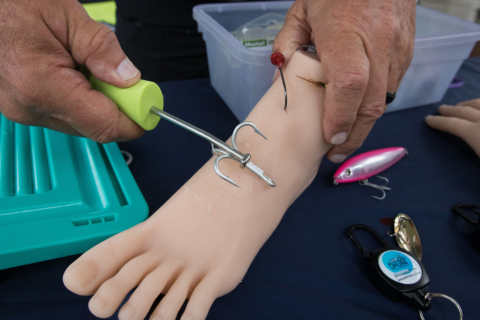
Credit: gearjunkie.com
Frequently Asked Questions
How To Properly Take A Fish Off The Hook?
Gently hold the fish and support its body. Use pliers to remove the hook carefully. Avoid touching the gills. Release the fish back into the water promptly. Handle with wet hands to protect its slime coat.
How To Take Fish Off Hook Without A Tool?
Gently hold the fish using a wet cloth to prevent slipping. Carefully push the hook back out the way it entered. Use your fingers to stabilize the hook and avoid injury. Ensure the fish remains calm during the process to minimize stress and potential harm.
How To Unhook A Fish That Swallowed The Hook?
Gently cut the line close to the hook. Use pliers to remove the hook if visible. If deeply swallowed, consider leaving it to avoid further harm. Always handle the fish with care and return it to the water promptly. Prioritize the fish’s wellbeing throughout the process.
How To Ungut Hook A Fish?
Gently hold the fish and use pliers to remove the hook. Avoid pulling hard to prevent injury. If the hook is deep, cut the line and leave it in place. Ensure the fish is in water during the process to minimize stress.
Always handle fish with care.
Conclusion
Successfully removing a fish from a hook is satisfying. Practice makes it easier. Remember to stay calm. Quick movements can harm the fish. Protecting fish ensures a healthy ecosystem. It also preserves your fishing experience. Always have the right tools ready.
Needle-nose pliers can be very helpful. Treat the fish gently, even if it’s small. Respect for nature is important. Every angler should keep that in mind. With time, you’ll become more skilled. Enjoy fishing and be kind to your catch.
Happy fishing adventures!