

Imagine you’re about to embark on a smooth stroll, but the walker you rely on just doesn’t glide as easily as you’d like. Frustrating, right?
You’re not alone. Many people face this issue, and there’s a surprisingly simple solution that involves something you probably already have at home—a tennis ball. Yes, you read that correctly. Cutting a tennis ball and attaching it to the legs of your walker can transform your walking experience, making it much smoother and quieter.
But how exactly do you go about this without damaging the ball or your walker? This guide is here to help you. By the end of this article, you’ll be equipped with the know-how to cut a tennis ball safely and effectively for your walker, enhancing your mobility and bringing ease to your daily routine. So, let’s dive in and discover how this small hack can make a big difference in your life.

Credit: www.amazon.com
Benefits Of Using Tennis Balls On Walkers
Cutting tennis balls for walkers makes movement smoother and quieter. It also helps protect floors from scratches. Simple and effective, it enhances daily use.
Using tennis balls on walkers is a simple yet effective modification that can greatly enhance mobility and safety. This technique is particularly beneficial for those who rely on walkers to navigate their daily environment. But why exactly should you consider this DIY adjustment?Improved Maneuverability
With tennis balls attached to the legs of your walker, you can glide across various surfaces with ease. The smooth texture of the balls reduces friction, allowing you to move seamlessly across carpets, tiles, and wooden floors. Have you ever struggled with your walker getting stuck on rough surfaces? Tennis balls can be the solution to this common problem, giving you the freedom to move more confidently.Enhanced Stability
Tennis balls add a layer of stability to your walker. Their round shape provides a broader base, which helps prevent the walker from tipping over on uneven surfaces. This extra support can be particularly reassuring when navigating crowded spaces or outdoor areas. Imagine walking through a busy market without worrying about your walker losing balance—tennis balls can make this a reality.Reduced Noise
One of the surprising benefits of using tennis balls on walkers is the reduction in noise. Metal walker legs can create a loud clatter, especially on hard surfaces. Tennis balls act as a cushion, absorbing sound and making your movements quieter. This can be a relief not only for you but also for those around you, creating a more pleasant environment.Cost-effective Solution
Buying specialized equipment for walkers can be expensive. In contrast, tennis balls are affordable and easily accessible. You might even have some old tennis balls lying around at home. Why not repurpose them for your walker? It’s a practical, budget-friendly option that doesn’t compromise on quality.Personal Customization
Tennis balls come in various colors, allowing you to personalize your walker according to your taste. You can choose vibrant hues to make your walker stand out or opt for subtle shades for a more classic look. Adding tennis balls can be an opportunity to express yourself and make your walker truly yours. Wouldn’t it be fun to have a walker that reflects your personality? The benefits of using tennis balls on walkers are clear, but the most important question is: are you ready to enhance your mobility with this simple modification?Materials Needed
Gather a tennis ball, a sharp utility knife, and a cutting board. Ensure you have a permanent marker for marking. Safety goggles and gloves are recommended for added protection.
Preparing to modify a walker with tennis balls requires gathering the right materials. Each element serves a specific purpose, ensuring a smooth and safe process. Let’s dive into the essentials you’ll need to transform your walker with ease and efficiency.Tennis Balls
Tennis balls are the star of this project. Choose those that are durable and easy to handle. While any standard tennis ball will do, some prefer brightly colored ones for better visibility.Sharp Utility Knife
A sharp utility knife is crucial for cutting through the tennis ball’s tough outer layer. Ensure the blade is in good condition to make clean cuts without excessive force. A dull blade can complicate the process and make it hazardous.Cutting Board
Using a cutting board provides a stable surface, preventing accidents and ensuring precision. It also protects your countertops and tables from potential damage while cutting.Marker Or Chalk
A marker or chalk helps in marking the cutting line on the tennis ball. This ensures accuracy and symmetry, giving your walker a neat appearance. Take your time to draw a clear line before proceeding.Safety Gloves
Safety gloves are an often-overlooked but important component. They protect your hands from accidental cuts and provide better grip when handling the knife and tennis balls.Measuring Tape Or Ruler
A measuring tape or ruler assists in determining the exact spot for cutting. This ensures the tennis balls fit snugly over the walker legs, enhancing stability and safety.Optional: Sandpaper
Sandpaper can be used to smooth any rough edges after cutting. This step ensures there are no sharp bits that could scratch floors or cause injury. Gather these materials before you begin, and you’ll be well-equipped to make your walker more functional and stylish. Have you ever wondered how a simple tennis ball can make such a difference in mobility? The right tools bring this transformation within easy reach.Safety Precautions
Ensure a firm grip on the ball and use a sharp knife to cut safely. Stabilize the ball on a non-slip surface to prevent accidents. Wear protective gloves to avoid injuries and maintain steady pressure while cutting.
When modifying a tennis ball for a walker, safety must be your top priority. Cutting through a tennis ball might seem simple, but without proper precautions, you could risk injury. Whether you’re cutting these balls for yourself or a loved one, ensuring safety will help prevent accidents and make the process smoother.Use Sharp Tools With Caution
Always opt for a sharp knife or box cutter. A dull blade can slip, increasing the risk of injury. Keep your fingers away from the cutting path and use a stable surface to prevent mishaps.Wear Protective Gear
Consider wearing gloves to protect your hands from accidental cuts. Safety goggles can also shield your eyes from any potential flying debris when slicing through the ball.Stabilize The Ball
Place the tennis ball on a non-slip surface. This can prevent it from rolling around, allowing you to have better control while cutting. A towel or rubber mat can be helpful for stabilization.Cut In A Secure Environment
Ensure you are in a well-lit area with no distractions. A clear workspace will help you focus on the task at hand, reducing the risk of mistakes.Dispose Of Waste Safely
After cutting, make sure to dispose of any leftover rubber or fuzz safely. This not only keeps your area tidy but also prevents others from accidentally stepping on or ingesting small pieces. Remember, taking these precautions can make the process safer and more efficient. Have you ever thought about how a small step in preparation might make a big difference in safety?Step-by-step Cutting Guide
Transforming a tennis ball into a helpful accessory for a walker can be a simple yet effective solution to improve mobility and protect flooring. By following a clear step-by-step guide, you can ensure that the tennis ball is safely and effectively prepared for use. Let’s dive into the process, ensuring your walker glides smoothly and silently.
Marking The Cut Line
Begin by securing the tennis ball on a stable surface. Use a permanent marker to draw a clear line around the circumference where you’ll make your cut. This line will serve as your guide, ensuring a neat and even slit.
Have you ever tried cutting without a guide? It’s easy to go off course. A marked line makes the task straightforward and precise.
Making The Initial Cut
Hold the tennis ball firmly and use a sharp utility knife or box cutter. Carefully pierce the ball along the marked line. Keep your hands steady and apply gentle pressure to avoid any slips.
Are you worried about safety? Wearing protective gloves can add an extra layer of security during this step.
Creating A Cross-slit
Once the initial cut is made, turn the ball and make a perpendicular cut to form a cross-slit. This allows the ball to fit snugly over the walker legs. Ensure the slits are deep enough to accommodate the diameter of the walker legs.
This simple cross pattern ensures a firm grip. It’s a small effort that makes a big difference in usability.
Ensuring A Smooth Edge
Inspect the edges of the cuts for any rough or jagged areas. Use a piece of sandpaper or a file to smooth out these edges. This step prevents the ball from catching on carpet fibers or scratching floors.
Think about the last time you snagged a sock on a sharp edge. A quick smoothing ensures a hassle-free experience for you and anyone using the walker.
Attaching Tennis Balls To The Walker
Cutting tennis balls for a walker can enhance stability and mobility. Use a utility knife to slice an “X” on the ball, ensuring a snug fit on the walker’s legs. This simple modification helps the walker glide smoothly over surfaces, improving safety and ease of movement.
Attaching Tennis Balls to a walker can make mobility smoother and quieter. If you’ve ever been around someone using a walker with tennis balls, you know the difference they make. They reduce noise and provide better traction, making every step more comfortable.Gathering Your Supplies
Before you start, ensure you have everything you need. You will require two tennis balls, a sharp utility knife, and a sturdy work surface. Having these ready will make the process quick and efficient.Preparing The Tennis Balls
Using a utility knife, carefully cut an ‘X’ on one side of each tennis ball. Make sure your cuts are about two inches long to ensure a snug fit over the walker legs. Always cut away from your body to avoid accidents.Securing The Tennis Balls
Once the cuts are made, it’s time to attach them. Gently squeeze the sides of the tennis ball to open the cut and slide it over the leg of the walker. Ensure it’s snug and fully covering the leg to prevent slipping.Checking For Stability
After attaching, test the walker by gently pressing down on the handle. Ensure the tennis balls remain in place and provide stability. Adjust as necessary to ensure a secure fit.Maintaining Your Walker
Regularly check the tennis balls for wear and tear. Replace them if they become too worn to ensure continuous support and safety. How often do you think you’ll need to replace them? It depends on the surfaces you frequently walk on.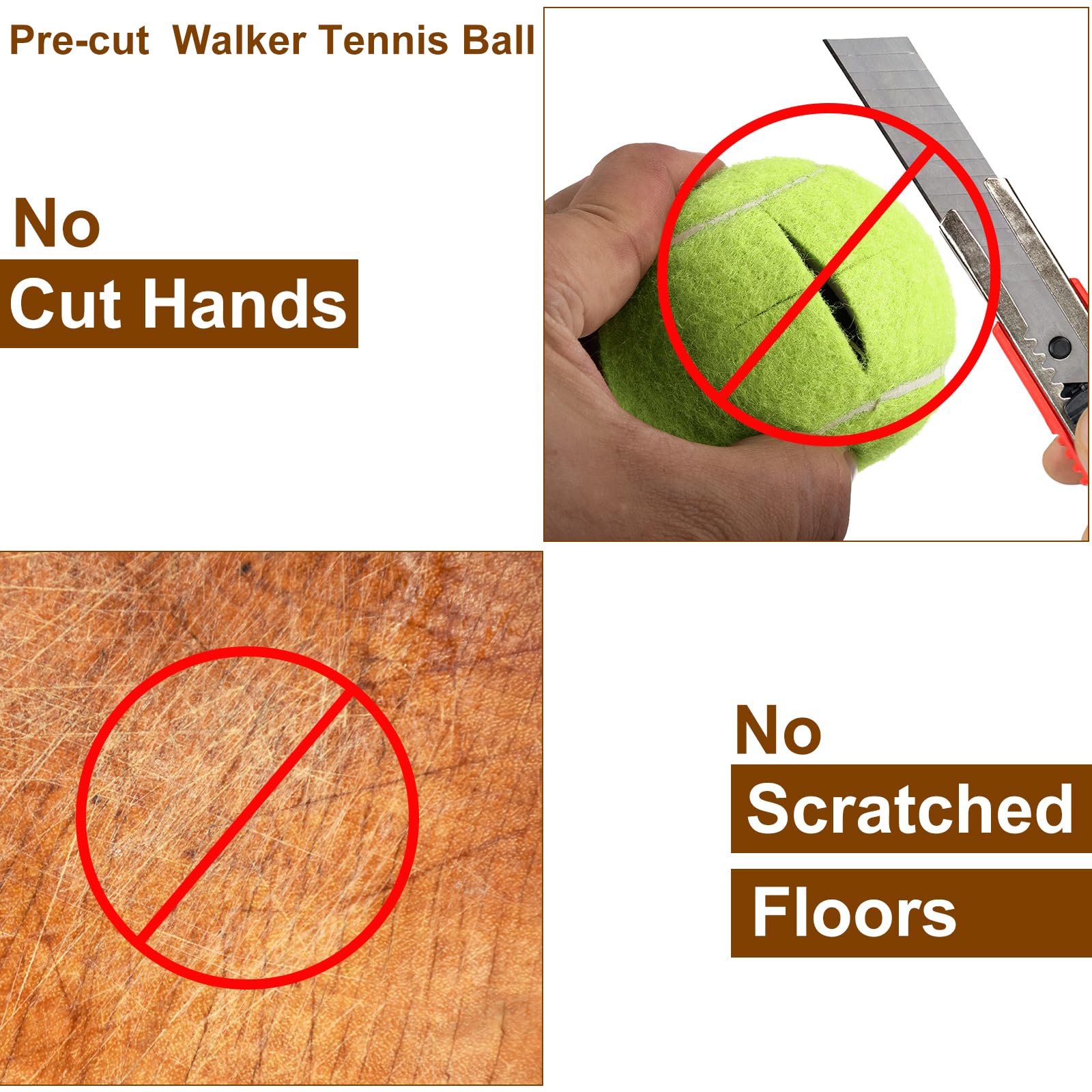
Credit: www.amazon.com
Maintenance And Replacement Tips
Cutting a tennis ball for a walker involves simple steps. Begin by using a sharp knife to create an X-shaped cut on the ball. Ensure the cuts are deep enough for easy attachment to the walker legs, providing smooth movement and improved stability.
Maintaining your walker with tennis balls is essential for smooth use. Regular checks ensure they remain functional and safe. Replacing worn-out balls prevents damage to floors and enhances stability. Here are some tips to keep your walker in top condition.Inspect Tennis Balls Regularly
Check the tennis balls for wear and tear weekly. Look for signs of flattening or cracking. Damaged balls can affect your walker’s performance.Replace When Necessary
Swap out old balls if they look worn. Fresh tennis balls provide better grip and support. This minimizes the risk of slipping.Choose Quality Tennis Balls
Select tennis balls from reputable brands. They last longer and offer reliable performance. Quality matters for safety and durability.Keep Walker Clean
Clean your walker and the tennis balls often. Dirt and debris can affect mobility. Use a damp cloth to wipe them down.Store In A Dry Place
Moisture can damage tennis balls and your walker. Store them in a dry area to extend their life.Monitor Noise Levels
Notice any unusual sounds while using the walker. This may indicate it’s time for maintenance. Quiet operation means everything is working well.Check For Stability
Ensure the walker doesn’t wobble. Tennis balls should sit firmly on the floor. Stability is key for safe movement.Consult Professionals
If unsure, ask a professional for advice. They can help with maintenance tips. Expert guidance ensures your walker remains in good condition.Alternatives To Tennis Balls
Tennis balls have long been a popular choice for enhancing the mobility of walkers, but they aren’t the only option. If you’re looking for alternatives that might better suit your needs or style, there are several innovative and practical solutions available. From specially designed walker glides to pre-cut tennis balls, each offers unique benefits that could make your daily navigation smoother and more comfortable. Let’s explore these options and see what might be the perfect fit for your walker.
Walker Glides
Walker glides are specifically engineered to provide a smooth and effortless slide across various surfaces. They are often made from durable materials like plastic or nylon, ensuring longevity and minimal wear. If you’ve ever struggled with your walker snagging on carpet or rough terrain, glides can be a game-changer. They simply attach to the legs of your walker and reduce friction, allowing for easy movement.
- Durable and long-lasting
- Easy installation without tools
- Ideal for indoor and outdoor use
Could this be the upgrade your walker needs for a more fluid experience?
Pre-cut Tennis Balls
If you’re set on using tennis balls but dread the hassle of cutting them yourself, pre-cut tennis balls are a fantastic alternative. These balls come ready to fit right over the walker legs, eliminating the risk of injury from cutting and ensuring a snug fit. Plus, they maintain the classic look and functionality that many people love.
- No cutting required
- Safe and convenient
- Available in various colors for personalization
Could pre-cut tennis balls save you time and effort while maintaining the familiar feel?
Other Diy Options
Feeling crafty? There’s a myriad of DIY options that can substitute for tennis balls on a walker. Some people have used furniture sliders, pipe insulation, or even old socks to achieve similar results. These solutions can be as effective as tennis balls, providing the smooth glide needed for comfortable mobility.
- Furniture sliders for a sleek glide
- Pipe insulation for a custom fit
- Old socks for a budget-friendly approach
What creative solution might you come up with to enhance your walker’s performance?

Credit: www.amazon.sa
Frequently Asked Questions
How Do You Cut Tennis Balls To Put Them On A Walker?
To cut tennis balls for a walker, use a sharp utility knife. Slice an “X” on one side. Make sure cuts are deep enough for the walker legs. Ensure safety by wearing gloves and securing the ball. Properly fitted tennis balls provide smoother movement and protect floors.
What Can I Use To Cut A Tennis Ball?
Use a sharp utility knife or box cutter to cut a tennis ball. Ensure the blade is clean and stable for safety. Scissors can also work but might require more effort. Always cut slowly and carefully to avoid injuries and achieve a precise result.
Can You Use Regular Tennis Balls For Walkers?
Yes, you can use regular tennis balls for walkers. They provide better grip and smoother movement. Cut an “X” on each ball for easy installation. Ensure they fit securely to avoid slipping. Tennis balls are cost-effective and widely available, making them a popular choice for walker users.
Are Tennis Balls Safe To Put On Walkers?
Yes, tennis balls are safe on walkers. They provide better grip and smoother movement. Ensure they fit securely to avoid accidents. Regularly check for wear and replace them when needed. Always consult with healthcare professionals for personalized advice.
Conclusion
Cutting tennis balls for walkers is a simple task. Safety comes first, so ensure you use sharp tools carefully. Follow the step-by-step process to avoid errors. Your walker will glide smoothly with the right fit. This small change makes a big difference in mobility.
No more noise or floor scratches. Enjoy easier movements with your walker. Regular checks help maintain the tennis balls’ condition. Replace them when worn out. Share this guide with friends who use walkers. They will appreciate the help. Keep practicing this skill for better results each time.