
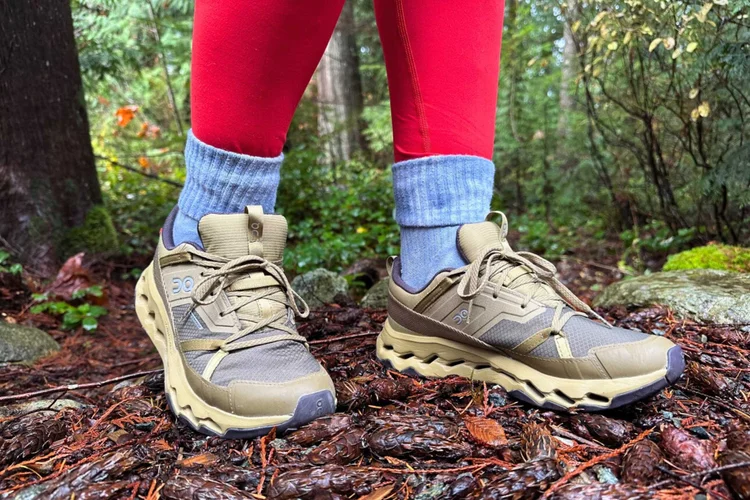
Are you planning your next hiking adventure and wondering if your trusty running shoes can handle the trails? You’re not alone.
Many outdoor enthusiasts find themselves at this crossroads, questioning whether their running shoes are up to the task. Before you lace up and hit the trails, it’s crucial to know if your footwear choice will support your journey or hinder it.
We’ll explore the pros and cons of using running shoes for hiking, helping you make an informed decision that keeps your feet happy and your adventures safe. Stick around to discover the surprising truths and essential tips that could transform your hiking experience.

Credit: www.thetravelrunner.com
Running Shoes Vs Hiking Boots
Deciding between running shoes and hiking boots can be challenging. Each footwear type offers unique benefits for hiking adventures. Understanding their differences helps make an informed choice.
Material Differences
Running shoes often use lightweight materials like mesh and foam. These materials provide breathability and comfort. Hiking boots, on the other hand, are usually crafted from leather or synthetic materials. These materials offer durability and protection.
Water resistance is a key factor in hiking boots. They often have waterproof membranes. Running shoes typically lack this feature. This makes hiking boots better for wet conditions.
Design And Structure
The design of running shoes focuses on flexibility and speed. They have a low-cut design, allowing for more ankle movement. Their soles are often thinner, providing less grip on uneven terrain.
Hiking boots are designed for stability and support. They often feature a high-cut design, offering ankle protection. The soles are thicker with deeper treads, providing better traction on rough surfaces.
When hiking on challenging trails, the structure of hiking boots can prevent injuries. The sturdy design supports the foot, reducing the risk of sprains.
Terrain Challenges
Running shoes face challenges on rough terrains. They offer comfort but lack grip needed for hiking. Uneven surfaces demand footwear designed for stability and protection.
Choosing the right footwear for hiking can be tricky. Running shoes are designed for smooth surfaces and may not handle rough terrains well. Hiking trails present unique challenges that require specialized footwear. Let’s explore some common terrain challenges.Rocky Paths
Rocky paths can be tough to navigate. Running shoes often lack the stiff soles needed for stability. Their flexible soles might struggle to grip uneven surfaces. Hiking boots offer better support and protection for your feet. They are designed to handle sharp rocks and prevent injuries. Ankle support is crucial on rocky paths. Running shoes typically offer minimal ankle protection. Hiking boots have reinforced ankle support for better balance.Wet And Muddy Trails
Wet and muddy trails can be slippery. Running shoes tend to have less traction on wet surfaces. Their lightweight design might not cope well with mud. Hiking boots have deeper lugs for better grip. They help prevent slipping in muddy conditions. Waterproof materials keep feet dry in wet environments. Running shoes usually lack waterproof features. Hiking boots are built to withstand wet conditions and keep feet dry.Comfort And Support
Running shoes can offer comfort and support on flat trails. Their lightweight design reduces fatigue, but they may lack grip and protection for rough terrains. Consider trail-specific shoes for better stability and durability in challenging hiking conditions.
Comfort and support are paramount when choosing footwear for hiking. Many wonder if running shoes can provide what they need for a trek through nature’s rugged terrain. While running shoes excel in comfort due to their lightweight and cushioned design, they may fall short in providing the support required for hiking’s uneven paths. Understanding the nuances of arch support and ankle protection can help you decide whether running shoes are suitable for your next adventure.Arch Support
Running shoes often have excellent arch support, designed to alleviate pressure during long-distance runs. This feature can be advantageous for hiking, especially if you have flat feet or high arches. However, trails can be unpredictable, with rocks and inclines challenging your footing. Ask yourself: does the arch support in your running shoes hold up against such varied terrain? Consider this: during a recent hike, I noticed my friend’s running shoes provided great comfort initially. Yet, as the path grew steeper, the lack of firmer arch support led to discomfort. This experience highlighted the importance of assessing your shoes’ arch support, ensuring it’s robust enough for hiking.Ankle Protection
Ankle protection is critical when navigating uneven surfaces. Running shoes typically offer minimal ankle coverage, focusing more on flexibility for running. This can be a disadvantage during hikes, where rolling an ankle is a real risk. Imagine you’re hiking a rocky path, and suddenly, your foot slips—without proper ankle support, you might find yourself nursing an injury. It’s crucial to evaluate whether the low profile of running shoes provides enough ankle stability for your hiking needs. A friend of mine once attempted a mountain trail in running shoes, only to end up with a sprained ankle. This incident serves as a reminder to check if your footwear offers the ankle support necessary for safe hiking.
Credit: weartesters.com
Durability And Longevity
Running shoes offer flexibility and comfort for hiking on well-maintained paths. Their lightweight design enhances agility but lacks durability for rough terrains. Opt for hiking shoes when tackling challenging trails to ensure long-lasting protection and support.
Durability and longevity are key factors to consider when choosing between running shoes and hiking boots for your outdoor adventures. Running shoes might seem like a lightweight and comfortable option, but do they stand the test of rough terrains and unpredictable weather? Understanding the durability and lifespan of these shoes can help you make an informed decision.Wear And Tear
Running shoes are designed for repetitive motion on relatively flat surfaces, which means they might not hold up well against rugged trails. The materials used in running shoes, like mesh and lightweight foam, can easily get snagged or torn on rocks and branches. I once wore my favorite pair of running shoes on a short hike, only to find the sides scuffed and the fabric fraying after just a couple of hours. This experience taught me that regular hiking, especially on challenging terrains, can quickly wear out running shoes. Do you want to risk your shoes falling apart mid-hike?Sole Quality
The sole of a running shoe is designed for pavement, not rocky paths. Running shoes usually have thinner soles that can wear down quickly on rough surfaces, compromising your grip and stability. Hiking boots, on the other hand, are equipped with thicker, more rugged soles that provide better traction and are built to withstand the abuse of uneven terrain. If you’re planning to tackle steep or slippery paths, the sole quality of your footwear matters significantly. Would you trust a slick running shoe sole on a wet, rocky trail? In your decision-making process, consider not just the initial comfort of running shoes but how they will hold up in the long run. Will they last through multiple hikes, or are they a one-time investment for a single outing?Weight Considerations
When choosing footwear for hiking, weight plays a significant role in your comfort and performance on the trail. The balance between lightweight and heavy-duty shoes can impact your hiking experience. Are running shoes the right choice for your hiking adventures? Let’s explore the weight considerations.
Lightweight Advantages
Running shoes are often praised for their lightweight design. They allow you to move swiftly and with less effort. You’ll feel less fatigue, especially on long hikes. Your feet will thank you for the reduced burden.
Consider a scenario: you’re climbing a steep hill, and every ounce counts. Lightweight shoes can make a noticeable difference in your energy levels and endurance. Imagine reaching the summit without feeling bogged down by your footwear.
Moreover, lightweight shoes can be a blessing in warmer climates. Your feet stay cooler, and the breathable materials help prevent blisters. Have you ever tried hiking in heavy boots on a hot day? It can be a sweaty struggle.
Heavy Duty Needs
However, some hiking terrains demand more robust footwear. Running shoes might lack the durability needed for rocky paths or dense forests. If you’re tackling rugged trails, you might appreciate the sturdiness of hiking boots.
Heavy-duty shoes offer better protection against sharp rocks and uneven surfaces. They provide the ankle support that running shoes might lack. This can be crucial for avoiding injuries on challenging terrain.
Think about the last time you twisted your ankle on a hike. A sturdy boot could have prevented that mishap. Safety and security are paramount when you’re miles away from the nearest help. Is it worth sacrificing protection for lighter weight?
Ultimately, the choice between running shoes and hiking boots depends on your specific needs and the trails you frequent. Consider your priorities: speed and agility or protection and support. The perfect hiking experience starts with the right shoes on your feet.

Credit: www.travelandleisure.com
Breathability And Waterproofing
When you’re planning a hiking trip, choosing the right footwear is crucial. One of the key aspects to consider is the breathability and waterproofing of your shoes. These features can make a big difference in your comfort and performance on the trail. Running shoes often come with unique ventilation features and varying degrees of water resistance. But are they suitable for hiking? Let’s delve into these aspects to help you make an informed decision.
Ventilation Features
Running shoes are designed to offer maximum breathability. They often incorporate mesh panels that allow air to circulate freely, keeping your feet cool during intense activity. This feature is particularly beneficial during warm weather hikes when your feet can easily overheat.
However, while the increased ventilation is great for breathability, it can be a double-edged sword. Think about whether you’ll be hiking in a wet or muddy environment. Excessive ventilation can let in unwanted moisture, leaving your feet soggy and uncomfortable. Have you ever had to trudge through a trail with waterlogged shoes?
Water Resistance
Waterproofing in running shoes is typically minimal compared to dedicated hiking footwear. While some running shoes feature water-resistant materials, they might not hold up against prolonged exposure to rain or puddles. Consider how often you’ll be encountering wet conditions on your hikes.
A waterproof membrane can keep your feet dry but might compromise breathability. It’s a delicate balance between staying dry and allowing your feet to breathe. Are you willing to sacrifice a bit of comfort for waterproofing?
Ultimately, the decision comes down to the conditions you’ll be hiking in. Evaluate the terrain, weather, and your personal comfort preferences before choosing whether running shoes are your best option for hiking.
Cost Efficiency
Running shoes can be a cost-efficient alternative for hiking on gentle trails. They provide comfort and flexibility, which can enhance your hiking experience. However, they may lack the support and durability needed for rough terrains.
When considering the cost efficiency of using running shoes for hiking, it’s essential to weigh the initial investment against long-term benefits. Running shoes typically come with a lower price tag compared to specialized hiking boots. However, the decision isn’t solely about the upfront cost. It’s about how much value you derive from your purchase over time.Price Comparison
Running shoes generally range from $50 to $150, while hiking boots often start at $100 and can exceed $250. This difference can significantly impact your budget, especially if you’re gearing up for your first hiking trip. But is the price difference justified? Running shoes, being versatile, can be used for other activities, offering more bang for your buck. However, the durability in rugged terrains might not match that of hiking boots.Value For Money
The true measure of cost efficiency is how well your shoes perform across different scenarios. Are you planning to hike frequently or just occasionally? If your hikes are sporadic and on well-trodden paths, running shoes might serve you well without breaking the bank. On the other hand, if you’re an avid hiker traversing challenging terrains, investing in hiking boots could save you from frequent replacements. Consider the potential wear and tear on running shoes when exposed to rocky trails. Ultimately, it’s a balance between initial costs and longevity. Will you prioritize versatility or durability? Your choice should reflect your hiking habits and future plans.Expert Opinions
Are running shoes suitable for hiking adventures? This question often sparks debate among experts. To gain a better understanding, we explore the opinions of professionals and hiking enthusiasts.
Professional Insights
Footwear specialists emphasize the design differences. Running shoes are lightweight and built for speed. Their cushioning absorbs impact on hard surfaces. They excel on paved trails and light terrains. Experts caution against using them on rugged paths. Hiking shoes offer better ankle support. They provide protection from sharp rocks and uneven ground. Their traction is superior in muddy or slippery conditions. These features reduce the risk of injuries.
Hiking Enthusiast Reviews
Many seasoned hikers share their experiences. Some prefer running shoes for short hikes. They appreciate the comfort and flexibility. Others value the durability of hiking boots. They speak of their reliability on challenging trails. Reviews often mention the importance of terrain. Easy trails might suit running shoes. But steep, rocky hikes require sturdier footwear. Enthusiasts stress the importance of personal preference. Each hiker’s comfort and safety matter most.
Frequently Asked Questions
What Is The Difference Between A Running Shoe And A Hiking Shoe?
Running shoes are lightweight and designed for cushioning and speed. Hiking shoes offer durability, grip, and ankle support for rugged terrains.
Which Running Shoes Are Best For Hiking?
Trail running shoes are best for hiking. They provide good grip, support, and durability on rough terrains. Choose shoes with waterproof features and adequate cushioning for comfort. Brands like Salomon, Merrell, and Brooks offer excellent options for hiking enthusiasts. Always ensure a snug fit to prevent blisters.
Can I Use Running Shoes For Walking?
Yes, running shoes are suitable for walking. They provide cushioning, support, and durability, ensuring comfort for long walks. Choose a pair with good arch support and fit to enhance walking performance. Regularly check for wear and replace them when necessary to maintain optimal comfort and support.
What Are The Best Shoes To Wear For Hiking?
Choose sturdy hiking boots with ankle support for rough terrain. Consider trail runners for lighter paths. Ensure shoes have good traction, are waterproof, and comfortable for long hikes. Select footwear based on terrain and personal preference. Prioritize fit and durability for the best hiking experience.
Conclusion
Running shoes can work for light hikes. They offer comfort and flexibility. But, durability matters on rough trails. Hiking shoes excel on rocky and steep paths. They provide better grip and ankle support. Running shoes lack these features. Choose the right shoe for your hike.
Safety and comfort should guide your decision. Always consider the terrain and weather. Your feet deserve the best support. Remember, each shoe serves different purposes. Make informed choices and enjoy your outdoor adventure. Happy hiking!