
Are you ready to kick your soccer game up a notch? Choosing the right soccer ball can make all the difference on the field.
Whether you’re a seasoned player or just starting out, understanding what makes a good soccer ball is crucial. Imagine having a ball that feels perfect under your feet, responds to every touch, and helps you master those game-winning passes. This guide will walk you through everything you need to know about selecting the best soccer ball for your needs.
Dive in and discover how the right soccer ball can enhance your skills and transform your game experience. You won’t want to miss this!
Types Of Soccer Balls
Good soccer balls come in various types, each suited for different playing surfaces. Match balls offer top-quality materials and precision, ideal for professional play. Training balls are durable and cost-effective, perfect for regular practice. Futsal balls are smaller and heavier, designed for indoor courts.
Understanding the types of soccer balls can enhance your playing experience. Each type serves a specific purpose, catering to different playing environments and skill levels. Whether you’re training or playing a match, choosing the right ball can make a significant difference.
Match Balls
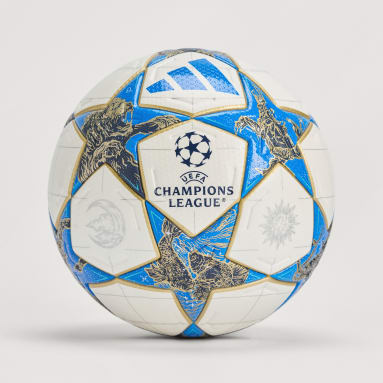
Match balls are designed for official games and competitions. They meet rigorous standards set by FIFA for size, weight, and material. These balls offer excellent flight stability and precision. They are usually made with high-quality leather or synthetic materials. Their construction provides optimal performance on grass pitches.
Training Balls
Training balls are built to withstand frequent use. They are durable and often heavier than match balls. This helps players improve their strength and control. Training balls are affordable and ideal for practice sessions. They can be used on various surfaces, including grass and artificial turf.
Indoor Balls
Indoor balls are crafted for indoor soccer games. They have a low bounce and smooth exterior. This design ensures better control on hard surfaces. Indoor balls are smaller and lighter, enhancing maneuverability. Their unique construction reduces the impact on indoor floors.
Futsal Balls
Futsal balls are specific to futsal, a variant of indoor soccer. They have a reduced rebound compared to regular soccer balls. This feature promotes skillful play and ball control. Futsal balls are smaller and heavier, facilitating quick passes and shots. Their distinct design suits the fast-paced nature of futsal games.
Credit: www.adidas.com
Materials And Construction
Soccer balls are crafted from a blend of materials. Quality affects the ball’s performance and durability. Understanding these materials can help in choosing the right ball.
Outer Casing Materials
The outer casing is vital for durability and feel. Common materials include synthetic leather, polyurethane, and PVC. Synthetic leather offers a premium feel and excellent control. It’s often used in high-end balls. Polyurethane is durable and offers a softer touch. It balances performance and longevity. PVC is less expensive and very durable but offers less grip. It’s ideal for recreational play.
Bladder Types
Bladders affect a ball’s air retention and bounce. There are two main types: latex and butyl. Latex bladders provide a softer feel. They’re used in professional-level balls. These bladders need regular inflation. Butyl bladders offer excellent air retention. They’re more durable than latex. They’re perfect for training and casual play.
Panel Construction
Panels influence the ball’s flight and control. Soccer balls usually have 32, 26, or 18 panels. More panels mean better control and accuracy. 32-panel balls are standard for professional matches. They offer excellent stability and flight. Fewer panels, like 18, increase speed. They are used in futsal and indoor soccer.
Size And Weight Considerations
Choosing the right soccer ball involves understanding size and weight. These factors influence performance and suitability for different age groups. Knowing the correct size and weight ensures better play and safety.
Official Sizes
Official soccer ball sizes are set by FIFA. Adult players use a size 5 ball. It measures 27-28 inches in circumference. This size is standard in professional matches worldwide.
Youth Sizes
Youth players need smaller balls for better control. A size 4 ball is ideal for players aged 8-12. It has a circumference of 25-26 inches. Younger kids, aged 5-8, use size 3 balls, which measure 23-24 inches.
Weight Standards
Weight impacts ball handling and control. An official size 5 ball weighs between 14-16 ounces. Size 4 balls weigh 12-13 ounces. Size 3 balls are lighter, at 11-12 ounces. These standards help players develop skills effectively.
Performance Factors
Understanding the performance factors of good soccer balls is crucial for players. These factors determine how a ball behaves during a game. Factors like flight stability, bounce quality, and durability are key. Let’s explore each of these in detail.
Flight Stability
Flight stability affects a ball’s trajectory. A well-constructed ball maintains its path. It resists unexpected movements due to wind or spin. This helps players predict the ball’s path better. Consistent flight stability enhances precision in passing and shooting. Ball design and material influence stability. Panels and stitching play a role. A smoother surface leads to steadier flights.
Bounce Quality
Bounce quality impacts how a ball interacts with the ground. A good ball has a consistent bounce. It rebounds predictably. This allows players to control the ball easily. Variations in bounce can affect dribbling and passing accuracy. Quality bounce ensures better game performance. Material and internal pressure affect bounce. A balanced bounce aids in maintaining game flow.
Durability
Durability is crucial for long-lasting performance. A durable ball withstands wear and tear. It resists damage from frequent use and harsh conditions. High durability ensures a ball’s shape and performance remain intact. This is important for consistent game quality. Material choice impacts durability. Balls made with sturdy materials last longer. They endure rough play and outdoor conditions.
Brand Comparisons
Choosing a good soccer ball involves comparing brands for durability and feel. Top brands often offer high-quality materials and construction. Consider features like grip, bounce, and weight for better performance on the field.
In the world of soccer, choosing the right ball is crucial. Different brands offer unique features and designs. Some brands focus on durability, others on performance. Let’s explore the differences among popular soccer ball brands. This guide will help you make an informed choice.
Popular Brands
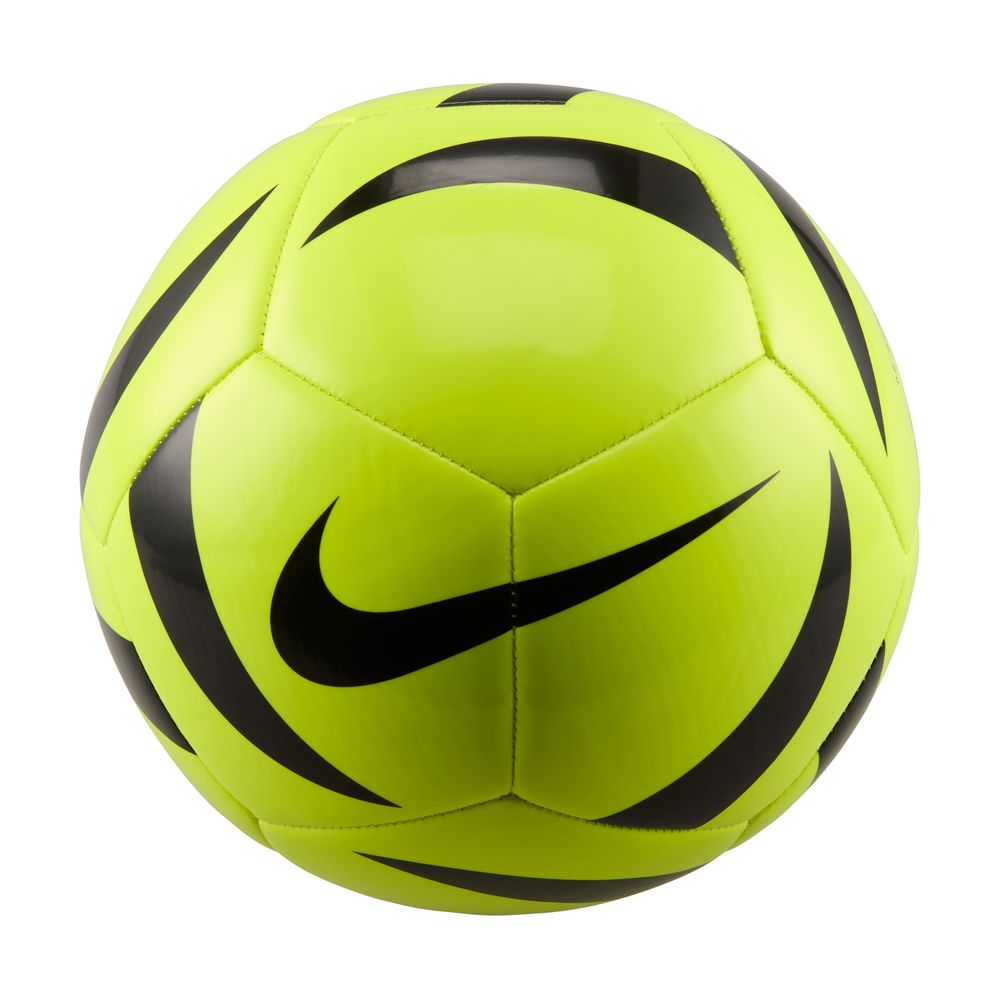
Several brands dominate the soccer ball market. Adidas is famous for its high-quality balls used in professional matches. Nike offers a variety of balls for different playing styles. Puma is known for its stylish and durable designs. Each of these brands has a loyal following for good reason.
Brand-specific Features
Adidas soccer balls often feature innovative panel designs. These ensure better flight and control. Nike balls usually have aerowtrac grooves. These grooves help in accurate ball trajectory. Puma focuses on providing textured surfaces. This enhances grip and ball control on the field. Each brand brings something unique to the table.
Price Range
Soccer balls come in various price ranges. Adidas offers premium options that can be pricey. Nike also has high-end models, but affordable choices too. Puma provides budget-friendly options without compromising quality. Understanding your budget helps in selecting the right ball.
Credit: europeansports.com
Buying Tips
Buying a soccer ball isn’t just about grabbing the first one you see. It’s an investment in your game, your enjoyment, and maybe even your future skills. With so many options available, how do you choose the right one? Here are some practical tips to help you make an informed decision.
Budget Considerations
Before diving into the wide world of soccer balls, decide how much you’re willing to spend. Soccer balls come in a range of prices, from affordable to high-end. Consider what you get for your money. Sometimes, spending a bit more can provide better durability and performance. However, if you’re a beginner, a mid-range ball might be all you need to get started.
Purpose And Usage
Think about how you intend to use your soccer ball. Are you practicing for fun, training seriously, or playing in competitive matches? Different purposes demand different types of balls. Match balls are crafted for professional play, while training balls are built to endure repetitive use. If you’re a casual player, a recreational ball might be the perfect fit for your needs.
Customer Reviews
Don’t underestimate the power of customer reviews. They offer real insights into the soccer ball’s performance and durability. Look for feedback on how the ball holds up over time and its feel during play. Personal stories from other buyers can help you avoid common pitfalls and find a ball that truly matches your expectations. Have you ever found a product that exceeded your expectations because of a well-written review?
Care And Maintenance
Proper care extends the life of soccer balls. Regularly check for damage and maintain proper inflation. Clean them with mild soap and water, avoiding harsh chemicals.
Caring for your soccer ball is essential to ensure it performs optimally and lasts longer. Just like any cherished possession, it requires attention and maintenance to remain in top shape. Let’s dive into how you can keep your soccer ball pristine with effective cleaning, proper storage, and correct inflation.
Cleaning Techniques
Keeping your soccer ball clean is crucial for its longevity. After each game, use a damp cloth to wipe away dirt and grime. Avoid using harsh chemicals; instead, opt for mild soap and water if necessary. For stubborn stains, a soft brush can help without damaging the ball’s surface. Remember to rinse off any soap residue thoroughly to prevent any deterioration of the material. Dry your ball completely before storing it away. Moisture can lead to mold and weaken the ball’s structure over time.
Storage Tips
Proper storage is key to maintaining your soccer ball’s shape and condition. Always store your ball in a cool, dry place away from direct sunlight. Excessive heat can cause the ball to warp or the material to crack. Using a ball bag or a mesh sack allows for proper ventilation, preventing moisture buildup. It’s also wise to keep the ball off the ground to avoid any potential damage from pests or accidental impacts. Think of your soccer ball as a treasure; treat it with care, and it will reward you on the field.
Inflation Guidelines
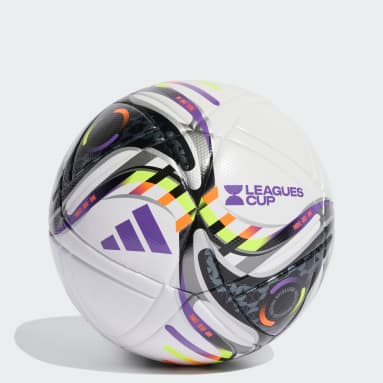
Correct inflation ensures your soccer ball performs consistently. Regularly check the ball’s pressure using a reliable gauge. Most soccer balls have the recommended pressure printed near the valve. Overinflating can cause the ball to become rigid and may lead to bursting, while underinflation affects its bounce and control. If you’re unsure, consult the manufacturer’s instructions for optimal pressure levels. Consider the climate; cold weather might require slightly higher inflation, whereas hot conditions could mean lower pressure is necessary. By being mindful of these factors, you can enhance your game experience and prolong the life of your ball.
Credit: www.adidas.com
Frequently Asked Questions
Which Soccer Balls Are The Best?
Top soccer balls include Adidas, Nike, and Puma brands. Choose based on durability, grip, and size for optimal performance. Synthetic leather balls are ideal for outdoor play, while rubber balls work well indoors. Consider FIFA-approved balls for professional-level quality. Always check reviews for user satisfaction before purchasing.
What Type Of Soccer Ball Do The Pros Use?
Professional soccer players use FIFA-approved balls for matches. These balls meet strict quality standards. They are typically made of synthetic leather and have a seamless surface for better control and accuracy. The most recognized brands include Adidas, Nike, and Puma, providing consistent performance in all weather conditions.
Which Brand Is Best For Soccer?
Nike and Adidas are top brands for soccer gear, offering quality, innovation, and style. Both provide excellent performance equipment, trusted by professionals worldwide. Choose based on personal preference, fit, and budget to find the best option for your needs.
How To Pick Out A Soccer Ball?
Choose the right size for your age group. Check for good material like synthetic leather. Ensure proper weight and air retention. Look for a well-stitched, durable design. Test its bounce and grip.
Conclusion
Choosing the right soccer ball matters for your game. The ball’s material affects its durability and performance. Consider size based on age and skill level. Budget matters too, but quality counts most. Test balls for grip and bounce. Feel the difference in your hands.
Good soccer balls enhance play. They improve control and accuracy. Explore various options, and find what suits your needs. Your choice can elevate your game. Enjoy playing with the right ball. Soccer becomes more fun and rewarding. Keep practicing, and watch your skills grow.