
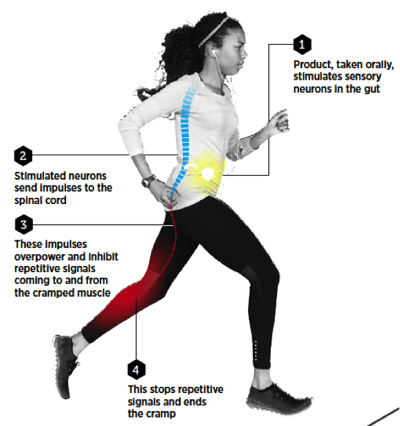
Leg cramps can be a frustrating hurdle for runners, but with the right strategies, you can effectively prevent leg cramps while running. Whether you’re training for a marathon or enjoying a casual jog, understanding how to keep those pesky cramps at bay can greatly enhance your running experience. Let’s explore proven tips and techniques to ensure your runs are smooth and enjoyable.
Understanding the Causes of Leg Cramps
Leg cramps can strike unexpectedly, often during the most intense moments of your run. To prevent these painful interruptions, it’s essential to understand their underlying causes.
Dehydration
One of the primary culprits behind leg cramps is dehydration. When you run, your body loses water through sweat, and failing to replenish it can lead to muscle cramps. Dehydrated muscles lack the fluid necessary for optimal function.
- Tip: Always carry a water bottle or plan routes with water stops. Drink before you feel thirsty to maintain hydration levels.
Electrolyte Imbalance
Electrolytes such as sodium, potassium, and magnesium are vital for muscle function. Running depletes these minerals, and an imbalance can lead to cramps. Consider incorporating electrolyte-rich foods or drinks into your diet. For more, see our complete guide on Top Fitness Tips From Professional Athletes You Ca.
- Tip: Foods like bananas, nuts, and electrolyte drinks can help maintain electrolyte balance.
Muscle Fatigue
Muscle fatigue is another common cause of leg cramps. Running long distances without adequate rest can tire your muscles, making them more susceptible to cramping.
- Tip: Ensure your training includes rest days and recovery techniques to keep your muscles fresh.
Pre-run Preparations for Cramp Prevention
Proper pre-run preparations can significantly reduce the risk of leg cramps. Focus on hydration, stretching, and dietary considerations to enhance your performance.
Hydration Strategies
Start your preparation by drinking water consistently throughout the day. Aim for clear urine as an indicator of proper hydration. Adding electrolytes to your water can provide an extra boost, especially if you sweat heavily.
- Tip: Sip water regularly instead of gulping it all at once right before your run.
Stretching and Warm-up
Dynamic stretching is essential before hitting the pavement. Focus on leg swings, lunges, and other movements that prepare your muscles for action and increase blood flow.
- Tip: A brisk walk or light jog for about five minutes can effectively warm up your muscles.
Dietary Considerations
Your diet plays a significant role in preventing leg cramps. Incorporate potassium-rich foods such as bananas and sweet potatoes into your meals to support muscle function. According to Runner’s World, this is important for athletes.
Running Tips for Leg Cramps
In addition to pre-run preparations, there are several strategies you can implement during your runs to help prevent leg cramps While running.
Choose the Right Running Shoes
Comfortable and supportive running shoes can make a significant difference. Shoes that fit well and provide adequate cushioning can help reduce the risk of cramps.
- Tip: Invest in quality running shoes tailored to your foot type and running style.
Monitor Your Pace
Running too fast can lead to muscle fatigue and cramps. Pay attention to your pace and avoid overexerting yourself, especially during long runs.
- Tip: Use a running watch or app to help maintain a steady pace.
FAQs about Leg Cramps While Running
Q: What causes leg cramps while running?
Leg cramps while running can be caused by dehydration, electrolyte imbalances, muscle fatigue, or inadequate warm-up and stretching. Learn more in our Prevent post.
Q: How can I stop leg cramps when running?
If you experience a leg cramp while running, stop and gently stretch the affected muscle. Hydrate and consider taking electrolyte supplements if cramps persist. For authoritative guidance, USA Track & Field provides detailed insights.
Q: Are leg cramps common in runners?
Yes, leg cramps are common among runners, especially during long-distance runs or in hot weather due to dehydration and muscle fatigue.
Q: What should I do if I get a leg cramp while running?
Stop running, stretch the affected muscle gently, and hydrate. If cramps are frequent, consider adjusting your training or nutrition. For more, see our complete guide on Leg.
Q: How to stretch to prevent leg cramps while running?
Incorporate dynamic stretches like leg swings and lunges before your run, and static stretches such as calf stretches post-run to maintain flexibility.
Q: What are the best supplements for leg cramps?
Electrolyte supplements containing potassium, magnesium, and calcium can help prevent leg cramps, especially during intense workouts or long runs.
Q: Can compression sleeves help prevent leg cramps?
Yes, compression sleeves can improve circulation and provide support, potentially reducing the risk of leg cramps during runs.
Q: How can I prevent leg cramps in hot weather while running?
Stay hydrated, wear breathable clothing, and adjust your running schedule to cooler times of the day to help prevent leg cramps in hot weather.
In summary, preventing leg cramps while running involves understanding their causes, preparing adequately before your runs, and implementing effective strategies during your workouts. By focusing on hydration, nutrition, and proper footwear, you can enjoy a more comfortable and cramp-free running experience.