
Are you standing at the crossroads of sports gear, wondering if your trusty soccer cleats can double as softball shoes? You’re not alone.
As an athlete, it’s tempting to streamline your equipment, saving both space and money. But will using soccer cleats for softball help or hinder your performance on the field? We will delve into the similarities and differences between these two types of footwear.
You’ll discover expert insights and practical tips that could transform your game strategy. Stay with us to find out whether this gear swap is a home run or a penalty kick.
Credit: www.ripit.com
Soccer Cleats Vs Softball Cleats
Choosing the right cleats for your sport is essential. Soccer and softball cleats have unique features. Both are designed for specific field conditions and movements. Understanding these differences helps in making an informed decision. Let’s delve into the distinctions between soccer and softball cleats.
Design Differences
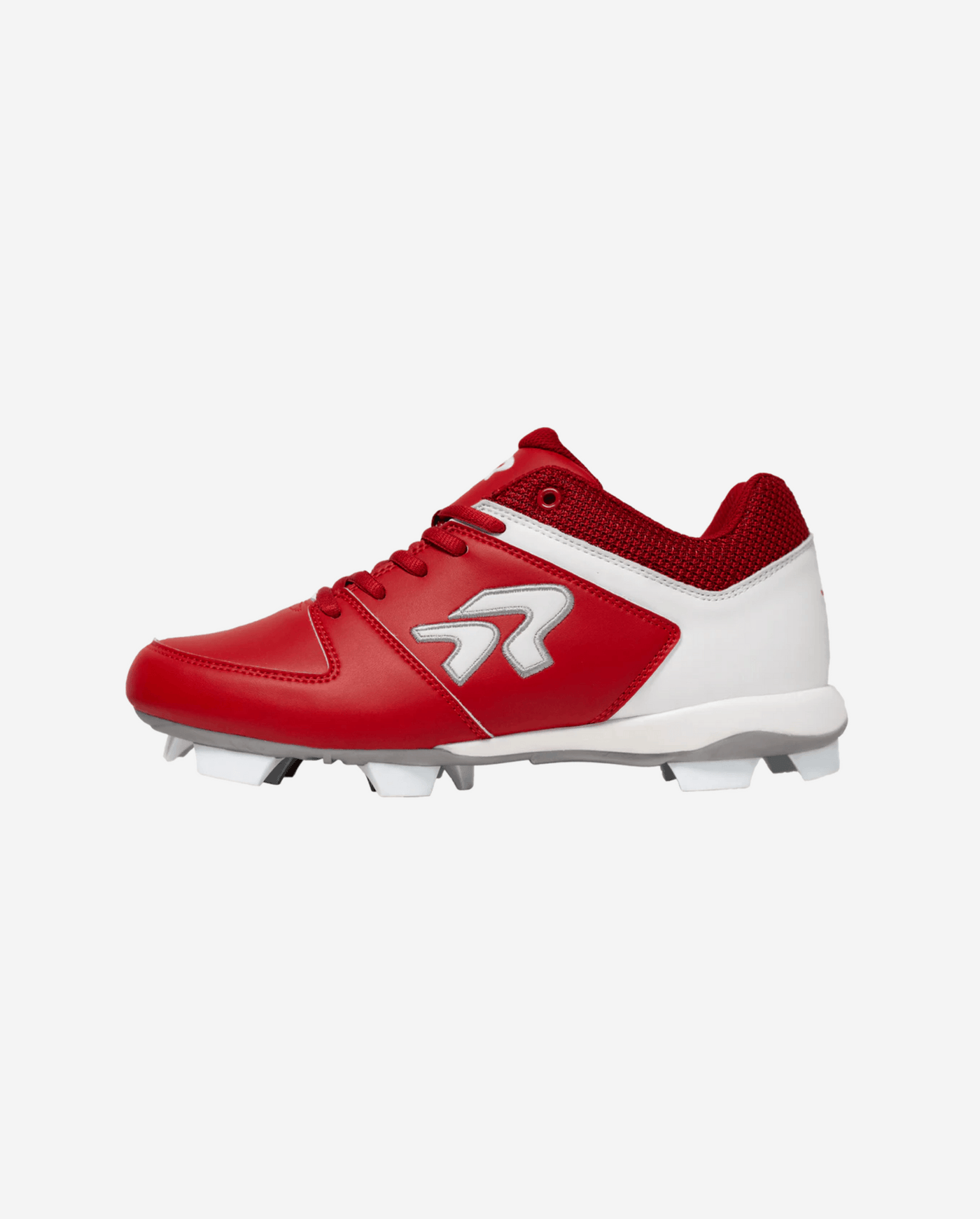
Soccer cleats are sleek and low-profile. They allow quick turns and sprints on grass. The design focuses on agility and ball control. Softball cleats, in contrast, have a sturdier build. They provide stability and traction on dirt infields. The toe area is often reinforced for added protection. This helps in sliding and digging into the ground.
Material Composition
Soccer cleats use lightweight materials. Leather or synthetic fabrics ensure flexibility and breathability. This is crucial for prolonged play. Softball cleats, however, prioritize durability. They use tougher materials to withstand rough surfaces. The outer layer is often more robust. This ensures they last longer during intense games.
Performance And Functionality
Soccer cleats and softball shoes might seem interchangeable at first glance, but how do they truly stack up in terms of performance and functionality on the field? Understanding the nuances can make all the difference in your game. Let’s dig into the specifics of traction, grip, comfort, and fit to see if soccer cleats can hold their own in a softball setting.
Traction And Grip
Soccer cleats are designed for quick pivots and explosive runs on grassy fields. Their cleat pattern is optimized for traction on soft surfaces. However, softball is often played on dirt or turf, which requires a different kind of grip. If you’ve ever slipped rounding third base, you know how crucial traction is. While soccer cleats may provide some grip, specialized softball shoes offer better traction and stability on these surfaces. Consider how often you find yourself slipping or feeling unstable—perhaps it’s time to reassess your footwear.
Comfort And Fit
Comfort is paramount when you’re running bases or fielding a fast grounder. Soccer cleats are typically lightweight and snug, allowing for agile movements. However, they might not provide the broader support needed for the lateral movements common in softball. Personal experiences vary; some players find soccer cleats too narrow for prolonged wear in softball games. Have you ever finished a game only to discover blisters or sore feet? This might be a sign that a shoe designed specifically for softball could offer a better fit and support for your unique foot shape.
Safety Considerations
When considering using soccer cleats for softball, safety is key. Soccer and softball differ in play style and field conditions. Using the wrong footwear can affect safety and performance. Understanding the risks can help you make an informed choice.
Injury Risks
Soccer cleats are designed for grass surfaces. Softball fields often have dirt or clay. This difference can lead to slips and falls. Soccer cleats may not provide the grip needed for quick stops in softball. Ankle injuries are a concern when cleats don’t match the field type. Soccer cleats are lighter, which can cause less support. This increases the risk of foot injuries during rapid movements.
Field Conditions
The field surface impacts shoe choice. Soccer is usually played on grass. Softball involves dirt and grass, sometimes both. Soccer cleats have smaller spikes. These may not dig into soft dirt well. Softball cleats are designed for mixed surfaces. This ensures better stability during play. Using soccer cleats can lead to poor traction on softball fields. This increases the risk of sliding unexpectedly.
Expert Opinions
Soccer cleats are often considered for softball use. Players and coaches have varied opinions on this matter. Understanding these perspectives can guide you in making informed decisions. Let’s explore what athletes and coaches have to say.
Athletes’ Experiences
Many athletes have tried using soccer cleats for softball. Some find them comfortable and versatile. They appreciate the lightweight design. However, others notice a lack of grip on dirt fields. Soccer cleats have smaller studs. This might affect traction during fast runs.
Players who switch between sports sometimes prefer soccer cleats. They enjoy consistency in footwear. Yet, some mention ankle support concerns. Soccer cleats are designed for grass. This can be less stable on softball fields.
Coaches’ Recommendations
Coaches often advise using sport-specific gear. Soccer cleats are not tailored for softball’s unique demands. They suggest softball cleats for better performance. These cleats offer superior grip and support. This is crucial for quick turns and slides.
Some coaches understand the appeal of soccer cleats. They recommend testing them in practice first. Players should assess comfort and stability. Feedback from experienced players is valuable. It helps coaches refine their advice.
Practical Tips
Soccer cleats can be worn for softball with some considerations. The studs offer grip on the field, but check league rules and comfort. Soccer cleats might not provide the ankle support needed for softball.
Practical tips are essential for players considering using soccer cleats for softball. Soccer cleats are designed for traction and comfort on grass fields. Softball requires grip and stability on dirt or turf. Understanding how to adapt soccer cleats can improve performance. Explore alternatives to find the best fit for your game.Adapting Soccer Cleats For Softball
Adapting soccer cleats for softball involves simple adjustments. Check the cleat pattern first. Make sure it provides enough traction on dirt. Shorter studs can help. Consider adding insoles for better foot support. This enhances comfort during long games. Clean cleats regularly to maintain grip. Dirt buildup reduces effectiveness. Test your cleats on the field before a game. Walk, run, and pivot. Ensure they feel stable and secure.Alternatives And Options
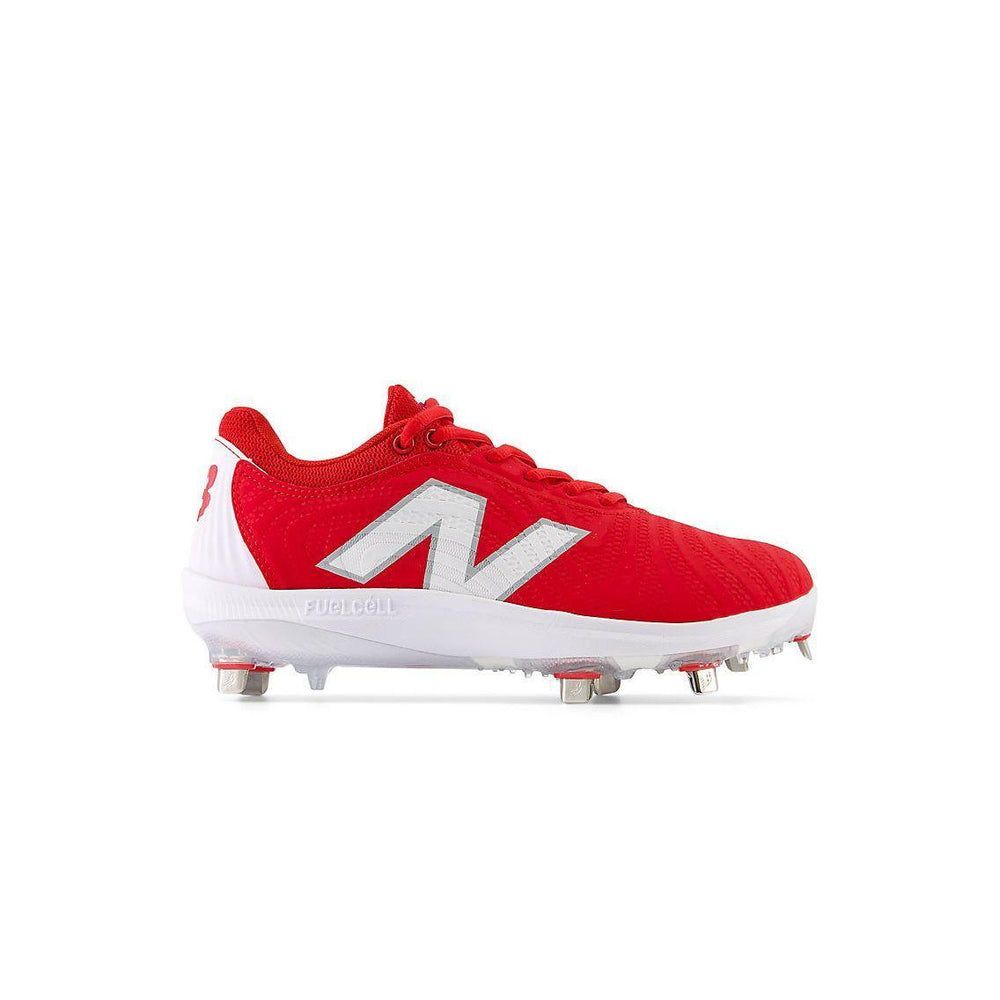
Several alternatives exist for those seeking more suitable footwear. Softball-specific cleats offer tailored features. They have reinforced toe areas for pitching. Their cleat patterns suit dirt surfaces. Turf shoes are another option. They provide grip on artificial fields. Look for shoes with breathable materials. Comfort is key during warm weather games. Consider trying different brands. Each offers unique designs and benefits. Rent or borrow before buying. This allows testing without commitment.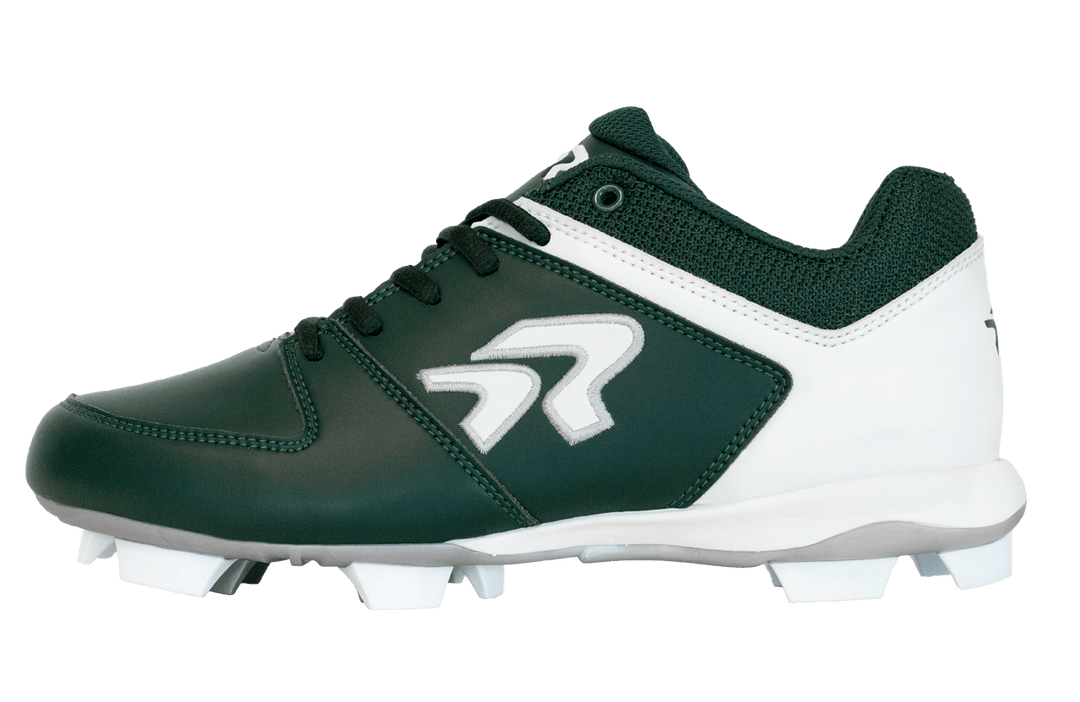
Credit: www.ripit.com
Credit: smashitsports.com
Frequently Asked Questions
Are Soccer Cleats Ok For Softball?
Soccer cleats are not ideal for softball. They lack the specific traction and toe protection needed for softball play. Using softball-specific cleats enhances performance and safety on the field. Always choose the right cleats for optimal support and grip during games.
What Cleats Can You Use For Softball?
You can use softball-specific cleats, including molded plastic or rubber cleats, for optimal grip. Metal cleats are allowed in some leagues. Always check league regulations before choosing cleats.
Can I Use Soccer Cleats For Baseball?
Soccer cleats can be used for baseball, but they aren’t ideal. Baseball cleats provide better grip and support for running bases. Soccer cleats lack the necessary toe studs for quick pivots in baseball. For optimal performance, use sport-specific cleats.
Can My Kid Wear Softball Cleats For Soccer?
Softball cleats are not recommended for soccer due to their toe studs. Soccer requires specific cleats for safety and performance. Ensure your child uses the right footwear for each sport to prevent injuries and improve gameplay.
Conclusion
Soccer cleats can work for softball in a pinch. They offer grip and comfort. But, they may lack the support softball cleats provide. Consider the field’s surface before deciding. Softball cleats have studs designed for dirt and grass. They provide better traction.
Soccer cleats might not meet all your needs. Safety and performance should be your top priorities. Investing in sport-specific cleats can enhance your game. Always choose gear that suits your sport. Your feet will thank you.